
Dr Vivek Sharma
About Me
Dr Vivek Sharma
MD
Cardiologist
10 Years Experience
Biography
My Clinic
OPD Hours
| Monday | Morning | 10:00 AM | - | 02:00 PM |
| Evening | 06:00 PM | - | 09:00 PM | |
| Tuesday | Morning | 10:00 AM | - | 02:00 PM |
| Evening | 06:00 PM | - | 09:00 PM | |
| Wednesday | Morning | 10:00 AM | - | 02:00 PM |
| Evening | 06:00 PM | - | 09:00 PM | |
| Thursday | Morning | 10:00 AM | - | 02:00 PM |
| Evening | 06:00 PM | - | 09:00 PM | |
| Friday | Morning | 10:00 AM | - | 02:00 PM |
| Evening | 06:00 PM | - | 09:00 PM | |
| Saturday | Morning | 10:00 AM | - | 02:00 PM |
| Evening | 06:00 PM | - | 09:00 PM | |
| Sunday | Morning | 10:00 AM | - | 02:00 PM |
| Evening | 06:00 PM | - | 09:00 PM |
Treatments
Specialised care and treatments offered
STRESS TESTING

A stress test evaluates how the heart performs under physical exertion. It helps determine if there’s adequate blood flow through arteries during increased activity levels and identifies potential issues related to ischemic disease
.- Symptoms leading to stress testing may include unexplained chest pain or shortness of breath during exertion
- Diagnostic methods typically involve walking on a treadmill while monitoring heart rate and rhythm using ECG equipment
- Treatment plans vary based on findings; patients diagnosed with blockages could require lifestyle adjustments alongside possible surgical interventions
- Follow-ups are essential as they offer opportunities for further assessment tracking progress made since initial evaluation results were shared back with patients regarding their conditions
By identifying underlying issues proactively through this methodical approach towards cardiovascular examination leads towards enhancing patient outcomes overall ensuring greater longevity within communities consistently facing chronic health adversities surrounding hearts .
IMPLANTABLE CARDIOVERTER-DEFIBRILLATOR (ICD)
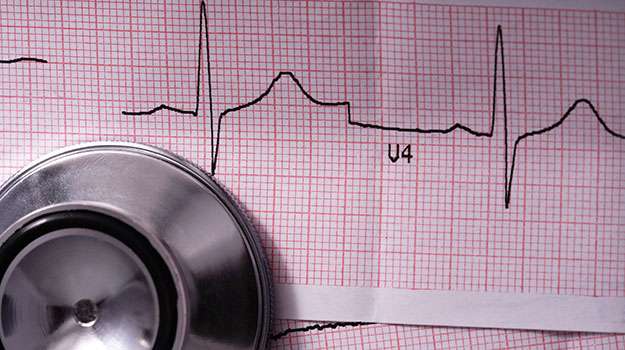
An implantable cardioverter-defibrillator (ICD) is a device installed under the skin that monitors heart rhythms. It delivers shocks if dangerous arrhythmias are detected, thus preventing sudden cardiac arrest effectively.
- Candidates usually include individuals with a history of severe arrhythmias or those with significant risk factors for sudden cardiac death.
- This intervention requires thorough pre-procedure evaluations using tests like echocardiograms and stress testing for candidacy determination
Patients can expect ongoing follow-ups, allowing healthcare professionals to monitor device functionality effectively until necessary modifications occur over time.
CARDIAC REHABILITATION
Cardiac rehabilitation is a structured program designed for individuals recovering from heart-related ailments such as myocardial infarction or surgeries. The goal is to improve cardiovascular health through controlled exercise and education.
- This program focuses on multiple aspects including physical activity, dietary guidance, and stress management techniques to foster overall wellness.
- Candidates typically include patients who have experienced significant cardiovascular events or those at high risk due to existing conditions.
- Continuous monitoring ensures safety during exercise sessions tailored specifically for individual needs.
- Benefits often include improved physical endurance, reduced risk of future heart problems, and enhanced emotional support through group interactions
Engaging in cardiac rehabilitation can be life-changing by promoting healthier lifestyle choices post-recovery phase while also providing psychological support during rehabilitation journeys.
HOLTER MONITOR
A Holter monitor is a portable device used to continuously record the heart's rhythm for 24 to 48 hours. This method helps in diagnosing arrhythmias that might not appear during a standard ECG.
- Patients may experience symptoms like dizziness, irregular heartbeat, or fainting spells that warrant such monitoring.
- The device captures data over time, so intermittent issues can be identified easily.
- If irregularities are detected, treatment options can vary from simple lifestyle changes to medication or procedures like catheter ablation.
- Results are usually reviewed in detail during a follow-up appointment for appropriate management planning.
This approach provides valuable insights into cardiac health outside of a clinical setting, ensuring accurate diagnoses and effective treatments are provided when necessary.
ECHOCARDIOGRAM
An echocardiogram is an ultrasound test that uses sound waves to create images of the heart. This test is crucial for assessing heart structure and function without any radiation exposure.
- This non-invasive procedure can help identify conditions such as valve disorders and cardiomyopathies.
- Symptoms prompting an echocardiogram may include palpitations, swelling in extremities, or unexplained fatigue.
- The diagnosis relies on images that highlight how well the heart pumps blood and functions overall.
- Treatment may involve medication management or lifestyle changes based on findings from the echocardiogram.
The quick and painless nature of this test allows for effective monitoring of heart health over time.
CORONARY ANGIOPLASTY
Coronary angioplasty is a minimally invasive procedure used to widen narrowed or obstructed coronary arteries. This technique is often employed when a patient suffers from coronary artery disease, which can lead to serious complications.
- Common symptoms may include chest pain (angina), shortness of breath, and fatigue.
- Diagnosis typically involves imaging tests like an angiogram, which provides a detailed view of the heart's blood vessels.
- Treatment options include balloon angioplasty with or without stent placement to keep the artery open.
- Patients can expect improved blood flow and a reduction in symptoms after the procedure.
Overall, this intervention aims to enhance the quality of life while minimizing hospital stay and recovery time.