
Dr Vivekanand Paul's
About Me
Dr Vivekanand Paul's
MBBS
Podiatrist
10 Years Experience
Biography
My Clinic
OPD Hours
| Monday | Morning | 10:00 AM | - | 02:00 PM |
| Evening | 06:00 PM | - | 09:00 PM | |
| Tuesday | Morning | 10:00 AM | - | 02:00 PM |
| Evening | 06:00 PM | - | 09:00 PM | |
| Wednesday | Morning | 10:00 AM | - | 02:00 PM |
| Evening | 06:00 PM | - | 09:00 PM | |
| Thursday | Morning | 10:00 AM | - | 02:00 PM |
| Evening | 06:00 PM | - | 09:00 PM | |
| Friday | Morning | 10:00 AM | - | 02:00 PM |
| Evening | 06:00 PM | - | 09:00 PM | |
| Saturday | Morning | 10:00 AM | - | 02:00 PM |
| Evening | 06:00 PM | - | 09:00 PM | |
| Sunday | Morning | 10:00 AM | - | 02:00 PM |
| Evening | 06:00 PM | - | 09:00 PM |
Treatments
Specialised care and treatments offered
ACUTE TRAUMATIC FOOT FRACTURES
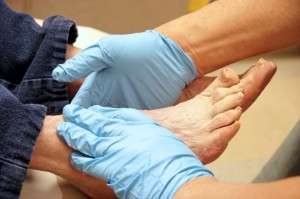
A sudden injury causing a break in one or more foot bones requires prompt evaluation to ensure appropriate healing and restore function effectively.
- Symptoms and causes: Intense localized pain immediately following trauma such as falls or direct impacts coupled with swelling bruising inability bear weight;
- Diagnosis: Physical examination augmented by imaging studies including X-rays which reveal fracture type location severity guiding management design;
- Treatment options: Immobilization using casts/splints for stable fractures whereas displaced fractures might necessitate surgical fixation techniques ensuring bone alignment;
- What to expect: Healing times vary but adequate immobilization reduces risks of malunion/nonunion complications enabling progressive return towards normal walking;
Prompt medical attention following traumatic foot injuries safeguards against long-term disability preserving mobility through personalized treatment plans adjusted according to fracture complexity.
ACUTE CHARCOT FOOT
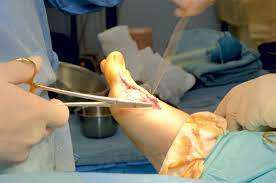
The acute Charcot foot is a serious complication predominantly affecting people with peripheral neuropathy leading to weakening bones in the foot that fracture easily without obvious trauma.
- Symptoms and causes:
SEVERE PLANTAR FASCIITIS FLARE-UP

The plantar fascia supports the arch of the foot but can become severely inflamed resulting in sharp heel pain especially during weight-bearing activities.
- Symptoms and causes: Intense stabbing pain near heel upon first steps after rest; caused by repetitive strain, poor biomechanics or sudden activity increases stressing this connective tissue band.
- Diagnosis: Based primarily on physical signs like point tenderness at medial heel bone attachment coupled with patient history of heel pain exacerbated by walking/standing;
- Treatment options: Rest, ice application, stretching exercises targeting calf muscles; nonsteroidal anti-inflammatory drugs (NSAIDs); orthotic inserts provide arch support for symptom relief;
- What to expect:
ACUTE INGROWN TOENAIL INFECTION
An ingrown toenail infection occurs when the nail grows into surrounding skin causing pain and inflammation. Prompt treatment helps avoid complications.
- Symptoms and causes: Localized redness, swelling, tenderness along toenail edges often initiated by improper nail trimming or tight footwear causing nail penetration into soft tissue.
- Diagnosis: Physical exam identifies affected nail area; sometimes pus collection indicates bacterial infection requiring further evaluation.
- Treatment options: Conservative measures like warm soaks and antibiotic ointments initially; severe or recurrent cases may need partial nail removal under sterile conditions.
- What to expect: Relief usually occurs after treatment but recurrence is possible without preventive care such as proper nail cutting techniques and footwear adjustments.
Catching an ingrown toenail early allows conservative management before surgical approaches become necessary. Maintaining foot hygiene reduces future risk significantly.
DIABETIC FOOT ULCERS
Foot ulcers in diabetic patients arise due to nerve damage and poor circulation, posing risk for infection and complications if untreated.
- Symptoms and causes: Open sores or wounds usually on pressure points of the foot; caused by neuropathy reducing sensation and peripheral arterial disease impairing healing.
- Diagnosis: Examination of wound characteristics, assessment of blood flow with Doppler studies, and infection screening via cultures.
- Treatment options: Wound care including cleaning, debridement, dressings; controlling blood sugar levels; antibiotics if infected; offloading pressure using special footwear.
- What to expect: Healing can be slow but improves significantly with comprehensive care; advanced cases may require surgical intervention.
Effective management is crucial in preventing progression to severe infections or amputations. Regular monitoring promotes better outcomes for diabetic patients with foot ulcers.
ACUTE GOUTY ARTHRITIS OF THE FOOT
Sudden onset of intense pain and swelling in the foot can indicate acute gouty arthritis, a form of inflammatory arthritis caused by uric acid crystal deposits.
- Symptoms and causes: Rapid development of severe pain, redness, warmth, and swelling often at the big toe; triggered by high uric acid levels in the blood due to diet or metabolic issues.
- Diagnosis: Clinical assessment along with blood tests measuring uric acid levels; joint fluid analysis can confirm presence of crystals.
- Treatment options: Anti-inflammatory medications including NSAIDs or corticosteroids; lifestyle adjustments to manage uric acid; acute attacks require prompt treatment.
- What to expect: Symptoms typically improve with medication within days; recurrent attacks possible without ongoing management.
This condition requires timely attention to relieve discomfort and prevent joint damage. Early medical intervention is beneficial for successful control over long term episodes.