
Dr VS Gupta
About Me
Dr VS Gupta
MBBS
General Physician
Biography
My Clinic
OPD Hours
| Monday | Morning | 10:00 AM | - | 02:00 PM |
| Evening | 06:00 PM | - | 09:00 PM | |
| Tuesday | Morning | 10:00 AM | - | 02:00 PM |
| Evening | 06:00 PM | - | 09:00 PM | |
| Wednesday | Morning | 10:00 AM | - | 02:00 PM |
| Evening | 06:00 PM | - | 09:00 PM | |
| Thursday | Morning | 10:00 AM | - | 02:00 PM |
| Evening | 06:00 PM | - | 09:00 PM | |
| Friday | Morning | 10:00 AM | - | 02:00 PM |
| Evening | 06:00 PM | - | 09:00 PM | |
| Saturday | Morning | 10:00 AM | - | 02:00 PM |
| Evening | 06:00 PM | - | 09:00 PM | |
| Sunday | Morning | 10:00 AM | - | 02:00 PM |
| Evening | 06:00 PM | - | 09:00 PM |
Treatments
Specialised care and treatments offered
GASTROESOPHAGEAL REFLUX DISEASE (GERD) MANAGEMENT
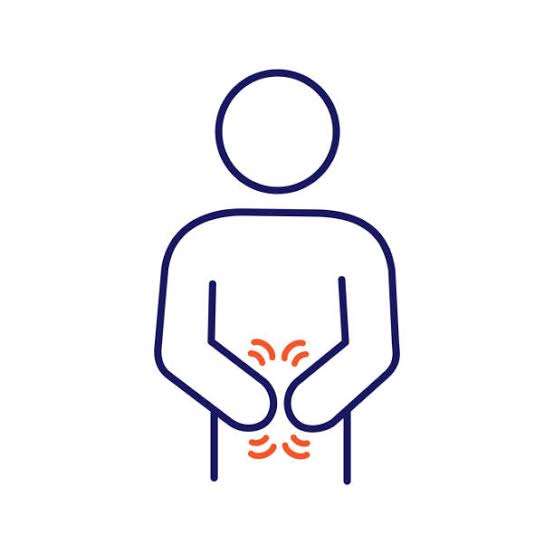
GERD is a digestive disorder affecting the lower esophageal sphincter leading to symptoms like heartburn due to acid refluxing into the esophagus. Prompt diagnosis ensures effective relief strategies are implemented timely!
- Symptoms : Patients often report persistent heartburn alongside regurgitation after meals indicating reflux activity has occurred frequently .
- Diagnosis checks include detailed patient history coupled with esophageal function tests where necessary . . < br />
- < span class = 'treatment' >}{ Treatment options include dietary modifications , antacids & proton pump inhibitors aimed at symptom relief ... < br />{ With adherence towards prescribed guidelines along side consistent follow ups patients notice marked improvements & reduced reliance upon medications .< br />
ANNUAL HEALTH CHECK-UP

An annual health check-up serves as a proactive approach towards maintaining one’s well-being. These comprehensive evaluations help identify any potential health issues before they become serious problems.
- Symptoms : Most see no immediate symptoms; however routine checks can reveal underlying conditions early.
- Diagnosis : Includes comprehensive physical examinations along with various tests tailored based on age/health status such as cholesterol screening , diabetes checks , etc .
- Treatment : Depending on findings recommendations could range from lifestyle advice up through referrals for specialist consultations if needed.
Embracing this practice leads patients toward improved overall health management over time.
RESPIRATORY INFECTION ASSESSMENT
Respiratory infections such as bronchitis or pneumonia affect the airways and lungs. They can range from mild to severe requiring prompt assessment for appropriate care.
- Symptoms: Common signs include cough, fever, chest discomfort, and difficulty breathing depending on severity.
- Diagnosis: A physical exam alongside chest imaging (X-ray) or sputum tests aids in determining infection type and severity.
- Treatment : Options vary based on the infection but may include antibiotics for bacterial infections or supportive care for viral cases.
- Management : Resting well while staying hydrated aids recovery in most instances.
Timely intervention ensures better recovery outcomes with reduced risks of complications from respiratory infections.
THYROID DISORDERS EVALUATION
Thyroid disorders encompass various conditions affecting thyroid gland function which can disrupt hormone production and metabolism. Screening plays an essential role in early identification.
- Symptoms: Hypothyroidism may cause fatigue and weight gain, while hyperthyroidism can lead to weight loss and rapid heartbeat.
- Diagnosis: Blood tests measure hormone levels (TSH, T3, T4) to assess thyroid function accurately.
- Treatment: Depending on the disorder type, treatment includes hormone replacement therapy for hypothyroidism or medications for hyperthyroidism management.
A proper evaluation helps tailor treatment plans effectively to ensure optimal health outcomes among patients facing these challenges.
DIABETES SCREENING

Diabetes is a chronic condition that affects how your body processes glucose. Early detection through screening is critical for effective management and preventing complications.
- Symptoms: Some may experience increased thirst, frequent urination, extreme fatigue, or blurred vision.
- Diagnosis: Blood tests are performed to check glucose levels; HbA1c tests can provide information about average blood sugar over the past 2-3 months.
- Treatment: If diagnosed with diabetes, options include lifestyle changes and medications such as insulin or oral hypoglycemics.
- Management: Monitoring blood sugar levels regularly helps in managing the condition actively.
An early diagnosis leads to better outcomes in controlling diabetes and reducing the risk of complications significantly.
HYPERTENSION MANAGEMENT
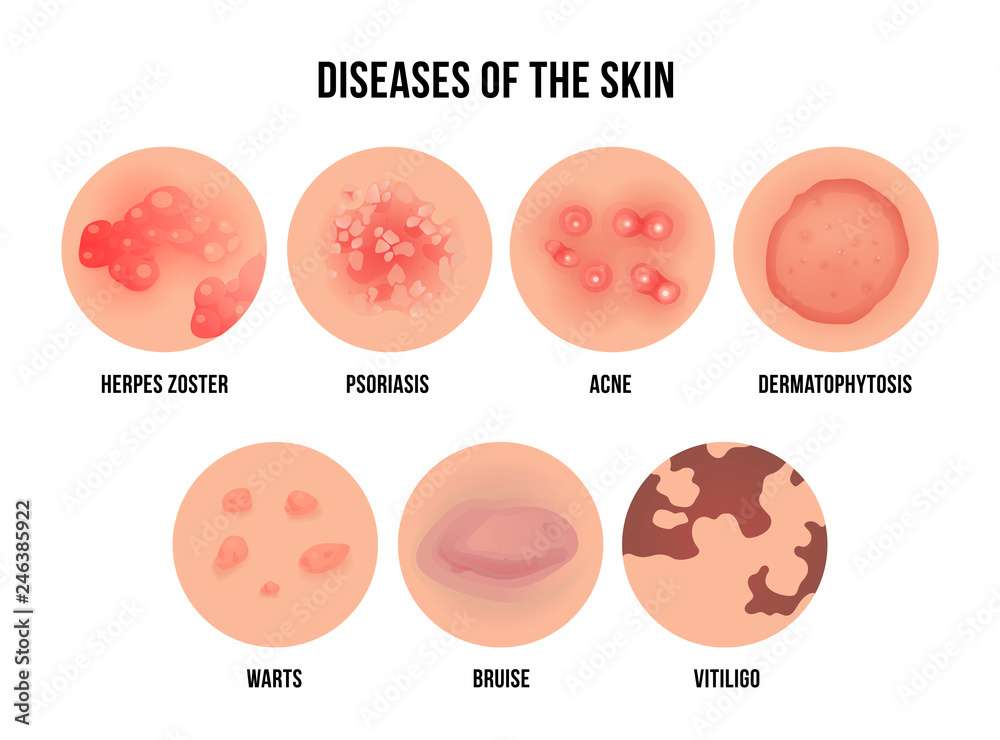
High blood pressure, or hypertension, is a common condition that can lead to serious complications if left untreated. It often develops over many years and can go unnoticed, making regular monitoring essential.
- Symptoms: Many individuals experience no symptoms; however, some may have headaches, shortness of breath, or nosebleeds.
- Diagnosis: Blood pressure is measured using a sphygmomanometer. Multiple readings are taken over time to confirm hypertension.
- Treatment: Options include lifestyle changes like diet and exercise, as well as medications such as diuretics and ACE inhibitors.
- Management: Regular follow-ups are crucial for adjusting treatment plans based on response.
- Expectations: With effective management, many individuals lead healthy lives without significant limitations.
It's essential to stay proactive about blood pressure control to minimize the risk of heart disease and stroke.