
Dr Y M Dave
About Me
Dr Y M Dave
General Physician
Biography
My Clinic
OPD Hours
| Tuesday | Morning | 10:00 AM | - | 02:00 PM |
| Evening | 06:00 PM | - | 09:00 PM | |
| Wednesday | Morning | 10:00 AM | - | 02:00 PM |
| Evening | 06:00 PM | - | 09:00 PM | |
| Thursday | Morning | 10:00 AM | - | 02:00 PM |
| Evening | 06:00 PM | - | 09:00 PM | |
| Friday | Morning | 10:00 AM | - | 02:00 PM |
| Evening | 06:00 PM | - | 09:00 PM | |
| Saturday | Morning | 10:00 AM | - | 02:00 PM |
| Evening | 06:00 PM | - | 09:00 PM | |
| Sunday | Morning | 10:00 AM | - | 02:00 PM |
| Evening | 06:00 PM | - | 09:00 PM | |
| Thursday | Morning | 10:00 AM | - | 02:00 PM |
| Evening | 06:00 PM | - | 09:00 PM |
Treatments
Specialised care and treatments offered
THYROID FUNCTION TESTS
A thyroid function test evaluates how well your thyroid gland is working. It plays a pivotal role in regulating metabolism among various bodily functions. Abnormalities in thyroid hormone production can lead to multiple health issues.
- Description:A thyroid test usually measures hormones such as TSH (Thyroid-Stimulating Hormone), T3, and T4 for understanding gland performance better.
CHOLESTEROL SCREENING
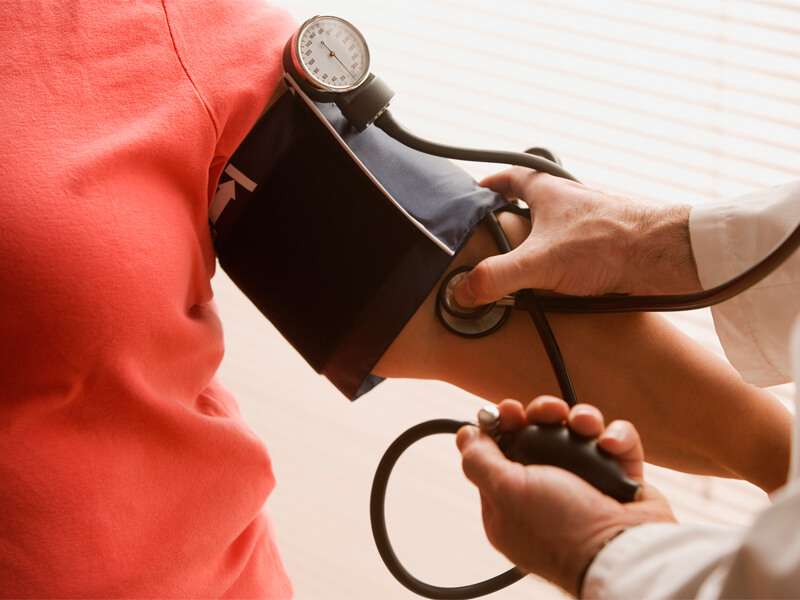
A cholesterol screening is an essential preventive measure that helps evaluate lipid levels in the blood. High cholesterol can increase the risk of heart disease without presenting obvious symptoms.
- Symptoms: Generally asymptomatic; however, severe cases can lead to chest pain or heart problems due to artery blockage.
- Causes: Lifestyle choices like poor diet high in saturated fats and lack of physical activity contribute significantly to elevated cholesterol levels.
- Diagnosis: A simple blood test measures total cholesterol along with LDL (bad) cholesterol and HDL (good) cholesterol levels for comprehensive assessment.
- Treatment Options: Lifestyle modifications like adopting healthier eating habits combined with medication can effectively manage cholesterol levels when necessary.
A proactive approach through regular screenings will allow early detection of potential issues linked with high cholesterol levels that could affect overall cardiovascular health.
DIABETES MELLITUS

Diabetes mellitus represents a group of metabolic disorders characterized by high blood glucose levels over prolonged periods. Understanding diabetes is crucial for appropriate management and preventing complications.
- Symptoms: Common early signs include increased thirst, frequent urination, fatigue, and blurred vision.
- Causes: Factors contributing to diabetes include genetic predisposition, obesity, sedentary lifestyle, and hormonal imbalances.
- Diagnosis: Confirmation usually involves blood tests such as fasting glucose level or HbA1c testing to assess long-term glucose levels.
- Treatment Options: Management often includes dietary changes, physical activity enhancement, and possibly insulin therapy or other medications.
- What to Expect: Continuous management is necessary to maintain blood sugar levels within the target range and prevent complications such as neuropathy or cardiovascular disease.
If you or someone you know shows signs of diabetes, early intervention can make a significant difference in health outcomes.
HYPERTENSION

Hypertension, commonly known as high blood pressure, is a prevalent condition that often goes unnoticed because it may not present any noticeable symptoms. Over time, if left untreated, it can lead to significant health issues such as heart disease and stroke.
- Symptoms: Many individuals experience no symptoms; however, some may notice headaches, shortness of breath, or nosebleeds.
- Causes: Factors include genetics, poor diet, lack of exercise, obesity, and chronic stress.
- Diagnosis: Blood pressure is measured using a sphygmomanometer; readings are categorized for assessment.
- Treatment Options: Lifestyle modifications like diet and exercise are essential; medications may also be prescribed based on severity.
- What to Expect: Regular monitoring and follow-up with healthcare professionals are crucial to managing this condition effectively.
If you suspect you have hypertension or have risk factors for it, consulting a healthcare provider is vital for proper evaluation and management.