
Dr Yash Bhargava
About Me
Dr Yash Bhargava
Dermatologist
Biography
My Clinic
OPD Hours
| Monday | Morning | 10:00 AM | - | 02:00 PM |
| Evening | 06:00 PM | - | 09:00 PM | |
| Tuesday | Morning | 10:00 AM | - | 02:00 PM |
| Evening | 06:00 PM | - | 09:00 PM | |
| Wednesday | Morning | 10:00 AM | - | 02:00 PM |
| Evening | 06:00 PM | - | 09:00 PM | |
| Thursday | Morning | 10:00 AM | - | 02:00 PM |
| Evening | 06:00 PM | - | 09:00 PM | |
| Friday | Morning | 10:00 AM | - | 02:00 PM |
| Evening | 06:00 PM | - | 09:00 PM | |
| Saturday | Morning | 10:00 AM | - | 02:00 PM |
| Evening | 06:00 PM | - | 09:00 PM | |
| Sunday | Morning | 10:00 AM | - | 02:00 PM |
| Evening | 06:00 PM | - | 09:00 PM |
Treatments
Specialised care and treatments offered
MELANOMA
Melanoma is a serious form of skin cancer arising from pigment-producing cells known as melanocytes. Early detection is crucial for improving prognosis significantly since it can spread rapidly if not treated promptly.
SKIN INFECTIONS
Skin infections are caused by bacteria, viruses, or fungi leading to inflammation of the skin. They can present suddenly with various symptoms depending on the type of infection involved.
- Common types: Bacterial infections like cellulitis present with redness and swelling; viral infections such as herpes simplex cause blisters; fungal infections might lead to itching rashes like tinea corporis (ringworm).
ACNE VULGARIS
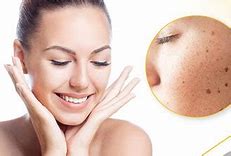
Acne vulgaris is one of the most prevalent dermatological conditions affecting adolescents and adults alike. It arises from clogged hair follicles due to excess oil production combined with dead skin cells and bacteria.
- Symptoms: Patients may experience various lesions including whiteheads, blackheads, cysts, or nodules that can become inflamed or infected.
- Diagnosis: A thorough physical examination usually suffices for diagnosis; in persistent cases, blood tests may be done to check hormone levels.
- Treatment options: Management ranges from over-the-counter topical treatments like benzoyl peroxide to prescription medications such as antibiotics or retinoids depending on severity.
Your treatment plan will be tailored specifically according to your unique case for optimal outcomes against acne vulgaris.
ECZEMA
Eczema is a common chronic condition characterized by red, inflamed patches on the skin. It often starts in childhood but can occur at any age, causing discomfort due to itchiness.
- Symptoms: Symptoms vary but typically include dry skin, intense itching, and flaking or crusting lesions.
- How it's diagnosed: Diagnosis primarily relies on a physical examination and assessment of personal and family history related to allergies or asthma.
- Treatment options: Standard care includes emollients for hydration, topical corticosteroids for inflammation reduction, and avoiding known irritants or allergens.
- What to expect: Regular treatment can greatly improve symptoms and prevent flare-ups over time; however, some people may experience periodic recurrences throughout life.
This understanding can empower patients in managing their eczema more effectively.
CONTACT DERMATITIS
Contact dermatitis is an inflammatory skin reaction resulting from exposure to allergens or irritants. It manifests as red, itchy rashes that develop after contact with specific substances.
- Causes: Common triggers include soaps, cosmetics, metals (like nickel), and plants (like poison ivy).
- Diagnosis: Diagnosis involves reviewing patient history and sometimes patch testing to identify specific allergens.
- Treatment options: Treatment usually consists of avoiding the irritant or allergen along with topical steroids and antihistamines for relief of symptoms.
- What to expect: With proper management, most individuals can avoid future outbreaks by learning their triggers.
A proactive approach significantly helps in preventing recurrence of severe reactions.
PSORIASIS
Psoriasis is a chronic autoimmune skin condition that results in rapid skin cell proliferation. This leads to the formation of thick, red patches covered with silvery scales on various parts of the body.
- Symptoms: Common symptoms include dry and cracked skin, itching, and soreness.
- Diagnosis: A dermatologist typically diagnoses psoriasis through physical examination and may perform a skin biopsy to rule out other conditions.
- Treatment options: Management can include topical treatments, phototherapy, and systemic medications aimed at controlling inflammation and slowing down skin cell turnover.
- What to expect: While there’s no cure, many patients find significant relief with appropriate treatment regimens.
Understanding this condition is vital for managing its impact on quality of life effectively.