
Dr Yogendra Sing
About Me
Dr Yogendra Sing
ENDOCRINOLOGIST
Biography
My Clinic
OPD Hours
| Monday | Morning | 10:00 AM | - | 02:00 PM |
| Evening | 06:00 PM | - | 09:00 PM | |
| Tuesday | Morning | 10:00 AM | - | 02:00 PM |
| Evening | 06:00 PM | - | 09:00 PM | |
| Wednesday | Morning | 10:00 AM | - | 02:00 PM |
| Evening | 06:00 PM | - | 09:00 PM | |
| Thursday | Morning | 10:00 AM | - | 02:00 PM |
| Evening | 06:00 PM | - | 09:00 PM | |
| Friday | Morning | 10:00 AM | - | 02:00 PM |
| Evening | 06:00 PM | - | 09:00 PM | |
| Saturday | Morning | 10:00 AM | - | 02:00 PM |
| Evening | 06:00 PM | - | 09:00 PM | |
| Sunday | Morning | 10:00 AM | - | 02:00 PM |
| Evening | 06:00 PM | - | 09:00 PM |
Treatments
Specialised care and treatments offered
OSTEOPOROSIS
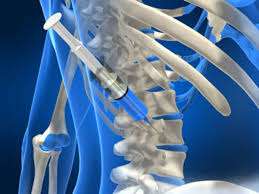
This metabolic bone disease leads to low bone density making bones fragile. Osteoporosis increases fracture risk but early detection can improve outcomes significantly through appropriate interventions.
- Risk factors often include aging, family history genetics , low calcium intake , physical inactivity
- Diagnosis typically relies on bone density scans known as DXA scans that measure mineral content effectively .
- Management strategies typically encompass dietary changes supplemented by vitamin D / calcium intake combined regular exercise programs aimed improving strength & balance .
- Monitoring bone density periodically helps evaluate effectiveness therapies progresses made toward avoiding fractures .
Through proactive engagement lifestyle modifications proper guidance from specialists living fulfilling life without fear underlining effects osteoporosis achievable goal .
CUSHING'S SYNDROME

Cushing's Syndrome is caused by excessive cortisol production in the body. Understanding its signs and treatment pathways can help mitigate its impact on health significantly over time.
- Main symptoms include rapid weight gain specifically around the midsection, easy bruising, mood swings, and weak muscles.
- A thorough diagnostic process typically involves urine tests for cortisol level detection as well as imaging studies to assess adrenal glands or pituitary abnormalities.
- Treatment may involve surgical intervention in cases where tumors are present or medication adjustments aimed at controlling cortisol production levels effectively.
- Patients need ongoing evaluations to address any recurrences or related health concerns.
By diligently pursuing established medical guidelines for Cushing's Syndrome management alongside trusted professionals; many patients regain control over their health journey.
POLYCYSTIC OVARY SYNDROME (PCOS)

This common hormonal disorder affects women of reproductive age and can have varying symptoms. PCOS often complicates fertility but has manageable treatment options available through endocrinology care.
- Symptoms may include irregular menstrual cycles, excess hair growth (hirsutism), acne, and obesity-related issues.
- The diagnosis typically requires medical history evaluation along with ultrasound imaging of the ovaries and hormone level assessments.
- Treatment strategies focus on regulating menstrual cycles through hormonal therapies or lifestyle changes including diet modifications and exercise regimens.
- Coping mechanisms for associated conditions like insulin resistance are essential for comprehensive care within this syndrome context.
An individualized approach ensures women with PCOS receive optimal support for their unique health needs throughout their lives.
HYPERTHYROIDISM

This endocrine disorder occurs when the thyroid gland produces excessive amounts of hormones. Hyperthyroidism can lead to various systemic symptoms if not addressed appropriately.
- Symptoms often include rapid heartbeat, anxiety, weight loss despite increased appetite, and heat intolerance.
- A comprehensive evaluation includes blood tests that check levels of TSH alongside free thyroxine (T4).
- Treatment options range from antithyroid medications to radioactive iodine therapy or surgery in severe cases.
- Patients should anticipate close monitoring for potential side effects during treatment adjustments.
- With effective treatment protocols in place, many individuals experience significant symptom relief over time.
A collaborative approach with healthcare professionals is vital for managing hyperthyroidism successfully.
HYPOTHYROIDISM

This condition arises when the thyroid gland does not produce enough hormones to maintain normal metabolism. Hypothyroidism can affect various bodily functions and leads to numerous symptoms needing proper attention.
- Common symptoms include fatigue, weight gain, depression, and sensitivity to cold temperatures.
- A diagnosis typically involves blood tests measuring Thyroid Stimulating Hormone (TSH) and thyroxine levels.
- Treatment usually consists of daily use of synthetic thyroid hormone replacement therapy.
- Regular monitoring of thyroid hormone levels is necessary to ensure effective management of the condition.
- With effective treatment, patients can expect a return to normal energy levels and improved overall well-being.
Understanding hypothyroidism enables patients to manage their health effectively in cooperation with their healthcare providers.
DIABETES MELLITUS

Diabetes Mellitus is a metabolic disorder characterized by chronic high blood sugar levels, which can lead to serious complications if left unmanaged. It is primarily classified into Type 1 and Type 2, with different underlying causes and management approaches.
- Symptoms may include frequent urination, increased thirst, and unexplained weight loss.
- The condition is diagnosed through blood tests that measure glucose levels, such as fasting blood glucose or A1C tests.
- Treatment often involves lifestyle changes like diet and exercise, along with medications such as insulin or oral hypoglycemics.
- Proper management can minimize risks of complications such as cardiovascular disease, nerve damage, and kidney issues.
- Regular follow-up visits are essential to monitor blood sugar levels and adjust treatment plans accordingly.
With proactive management and education, individuals with Diabetes Mellitus can maintain a healthy lifestyle.