
Dr Yogesh Gupta-
About Me
Dr Yogesh Gupta-
MBBS
Podiatrist
10 Years Experience
Biography
My Clinic
OPD Hours
| Monday | Morning | 10:00 AM | - | 02:00 PM |
| Evening | 06:00 PM | - | 09:00 PM | |
| Tuesday | Morning | 10:00 AM | - | 02:00 PM |
| Evening | 06:00 PM | - | 09:00 PM | |
| Wednesday | Morning | 10:00 AM | - | 02:00 PM |
| Evening | 06:00 PM | - | 09:00 PM | |
| Thursday | Morning | 10:00 AM | - | 02:00 PM |
| Evening | 06:00 PM | - | 09:00 PM | |
| Friday | Morning | 10:00 AM | - | 02:00 PM |
| Evening | 06:00 PM | - | 09:00 PM | |
| Saturday | Morning | 10:00 AM | - | 02:00 PM |
| Evening | 06:00 PM | - | 09:00 PM | |
| Sunday | Morning | 10:00 AM | - | 02:00 PM |
| Evening | 06:00 PM | - | 09:00 PM |
Treatments
Specialised care and treatments offered
INGROWN TOENAILS
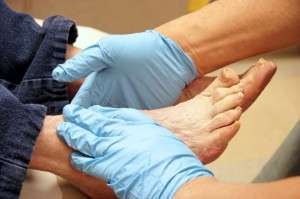
An ingrown toenail occurs when a nail grows into surrounding skin rather than over it. This common ailment often leads to redness, swelling, and infection if left untreated.
- Symptoms usually manifest as localized pain near one side of the nail accompanied by inflammation.
- Diagnosis primarily involves an external inspection where tenderness around nails indicates ingrowth prevalence.
- Conservative treatment usually entails soaking affected toes regularly followed by proper trimming techniques alongside antibiotic ointments if infected; more severe cases might warrant partial nail removal under local anesthesia performed by professionals .
Once addressed timely before complications arise ensures optimized healing without long-term disruptions affecting lifestyle activities thereafter.
FLAT FEET
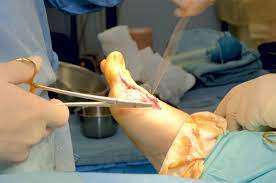
Flat feet occur when the arches of your feet collapse completely against the ground. While some people may experience no symptoms at all, others suffer from discomfort during activities due to improper alignment caused by flat arches.
- Main symptoms include tired legs after prolonged standing, difficulty finding comfortable footwear, and possible knee or back pains stemming from alignment issues due to flat feet.
- A thorough assessment performed by a healthcare provider can diagnose flat feet through visual inspection alongside gait analysis if necessary;
NEUROMAS
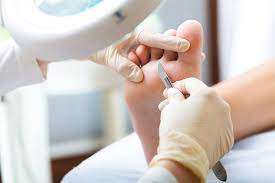
A neuroma is a benign growth of nerve tissue occurring commonly between the third and fourth toes. This condition often leads to painful sensations like burning or tingling in affected areas of the foot.
- The hallmark symptoms include sharp shooting pain along with numbness or tingling between toes when walking or wearing tight shoes.
- A thorough physical examination helps in diagnosis; imaging studies may assist in ruling out other conditions like fractures or tumors.
- Treatment generally starts with conservative methods such as changing footwear and using orthotics designed to relieve pressure on nerves; anti-inflammatory medications are also beneficial.
- If these methods do not yield relief, procedures such as corticosteroid injections or surgical intervention might be explored for definitive results.
Early detection is vital for effective management of neuromas and restoration of comfort while walking or standing.
ATHLETE'S FOOT
Athlete's foot is a fungal infection that affects the skin on the feet. It's characterized by itching, redness, and sometimes blisters between the toes or on other areas of the foot.
- The main symptoms include intense itching along with peeling skin that can lead to secondary infections if not managed properly.
- This condition is typically diagnosed through clinical examination; skin scrapings may be tested for fungi in more stubborn cases.
- Treatment primarily includes antifungal creams or oral medications depending on severity; maintaining dry feet is crucial for recovery.
- Over-the-counter antifungal powders can also help prevent recurrence by keeping feet dry and minimizing fungal growth.
- Most individuals respond well to treatment within weeks when adhering to prescribed regimens.
Timely intervention not only alleviates symptoms but also curtails spread and re-infection risks among others.
BUNIONS
Bunions are bony bumps that form at the base of the big toe joint, leading to noticeable foot deformities. They can cause discomfort and make wearing shoes challenging.
- The primary symptoms include a visible bump on the side of the foot and pain or soreness in the affected area, especially after standing for long periods.
- Diagnosis usually involves a physical exam and possibly X-rays to assess joint alignment.
- Treatment options range from wearing properly fitted shoes to using custom orthotic devices; anti-inflammatory medications can help relieve pain.
- If conservative measures fail, surgical procedures may be recommended to realign the toe joints.
- Adequate care often leads to improved mobility and reduced discomfort over time.
Addressing bunions early can prevent further complications and enhance foot function.
PLANTAR FASCIITIS
Plantar fasciitis is a common cause of heel pain that can significantly affect daily activities. It occurs when the plantar fascia, a thick band of tissue connecting your heel bone to your toes, becomes inflamed.
- Symptoms typically include sharp heel pain, particularly with the first steps in the morning or after prolonged sitting.
- The condition can be diagnosed through a physical examination and imaging tests such as X-rays or MRIs to rule out other issues.
- Treatment may involve rest, ice application, orthotics, stretching exercises, and anti-inflammatory medications.
- In more severe cases, options such as corticosteroid injections or physical therapy may be considered.
- With appropriate management, most people recover fully without requiring surgery.
Early intervention is key to alleviating pain and preventing chronic issues associated with plantar fasciitis.