
Dr Yogesh Kulkarni
About Me
Dr Yogesh Kulkarni
Internal Medicine
Biography
My Clinic
OPD Hours
| Tuesday | Morning | 10:00 AM | - | 02:00 PM |
| Evening | 06:00 PM | - | 09:00 PM | |
| Wednesday | Morning | 10:00 AM | - | 02:00 PM |
| Evening | 06:00 PM | - | 09:00 PM | |
| Thursday | Morning | 10:00 AM | - | 02:00 PM |
| Evening | 06:00 PM | - | 09:00 PM | |
| Friday | Morning | 10:00 AM | - | 02:00 PM |
| Evening | 06:00 PM | - | 09:00 PM | |
| Saturday | Morning | 10:00 AM | - | 02:00 PM |
| Evening | 06:00 PM | - | 09:00 PM | |
| Sunday | Morning | 10:00 AM | - | 02:00 PM |
| Evening | 06:00 PM | - | 09:00 PM | |
| Thursday | Morning | 10:00 AM | - | 02:00 PM |
| Evening | 06:00 PM | - | 09:00 PM |
Treatments
Specialised care and treatments offered
HEART FAILURE
This chronic condition arises when the heart cannot pump effectively to meet the body's needs. Heart failure can occur from various underlying causes including coronary artery disease or hypertension among others.
- The predominant symptoms comprise swelling in legs or ankles (edema), fatigue upon exertion, shortness of breath especially when lying down or during physical activities.
- Diagnosing entails a thorough evaluation involving physical examinations alongside echocardiograms to assess heart function accurately.
- Management typically includes lifestyle changes coupled with medications such as diuretics which help alleviate fluid retention plus ACE inhibitors promoting better cardiac performance.
- Regular follow-up appointments help monitor progress ensuring timely adjustments in treatment protocols enhancing overall outcomes living with this condition over time .
Effective management practices empower patients leading them towards improved quality results living longer despite challenges posed by heart failure.
CHRONIC OBSTRUCTIVE PULMONARY DISEASE (COPD)
COPD is a progressive lung disease mainly caused by long-term exposure to irritating gases or particulate matter. It's characterized by persistent respiratory symptoms that hinder airflow.
- The main causes include smoking history, environmental pollution, or genetic factors causing alpha-1 antitrypsin deficiency.
- Disease evaluation includes pulmonary function tests (PFTs) along with imaging techniques like CT scans for better assessment of lung health.
- Treatment encompasses bronchodilators for symptom relief as well as corticosteroids to reduce inflammation in airways.
- A comprehensive management plan should also incorporate pulmonary rehabilitation programs aimed at improving lung function through guided exercises.
With early detection and comprehensive care plans tailored specifically for every individual’s needs one can manage COPD effectively while maintaining quality of life.
HYPERTENSION
Hypertension, or high blood pressure, is a condition that can silently damage your body over time. It is often known as the 'silent killer' due to its lack of noticeable symptoms initially.
- This condition may be caused by factors like obesity, lack of physical activity, poor diet high in salt and alcohol consumption.
- A diagnosis requires routine blood pressure checks alongside assessing risk factors through medical history analysis.
- Treatment strategies typically include lifestyle changes combined with medications such as diuretics, ACE inhibitors or beta-blockers amongst others.
- Lifelong management aims at keeping blood pressure within normal limits to avoid complications like stroke or heart disease.
Your awareness about hypertension can lead you toward healthier lifestyle choices that promote better cardiovascular health.
DIABETES MELLITUS
Diabetes mellitus encompasses a group of metabolic disorders characterized by high blood sugar levels over a prolonged period. Proper management is crucial to prevent complications.
- The most common types are Type 1, where the body fails to produce insulin, and Type 2, which involves insulin resistance.
- This condition can be diagnosed through fasting blood glucose tests and HbA1c levels.
- Treatment often includes medication like insulin therapy, oral hypoglycemics, lifestyle modifications such as diet adjustments and exercise.
- Caring for diabetes involves regular monitoring of blood glucose levels and managing associated risks like cardiovascular diseases.
A proactive approach helps in effectively controlling diabetes and maintaining overall health.
PNEUMONIA
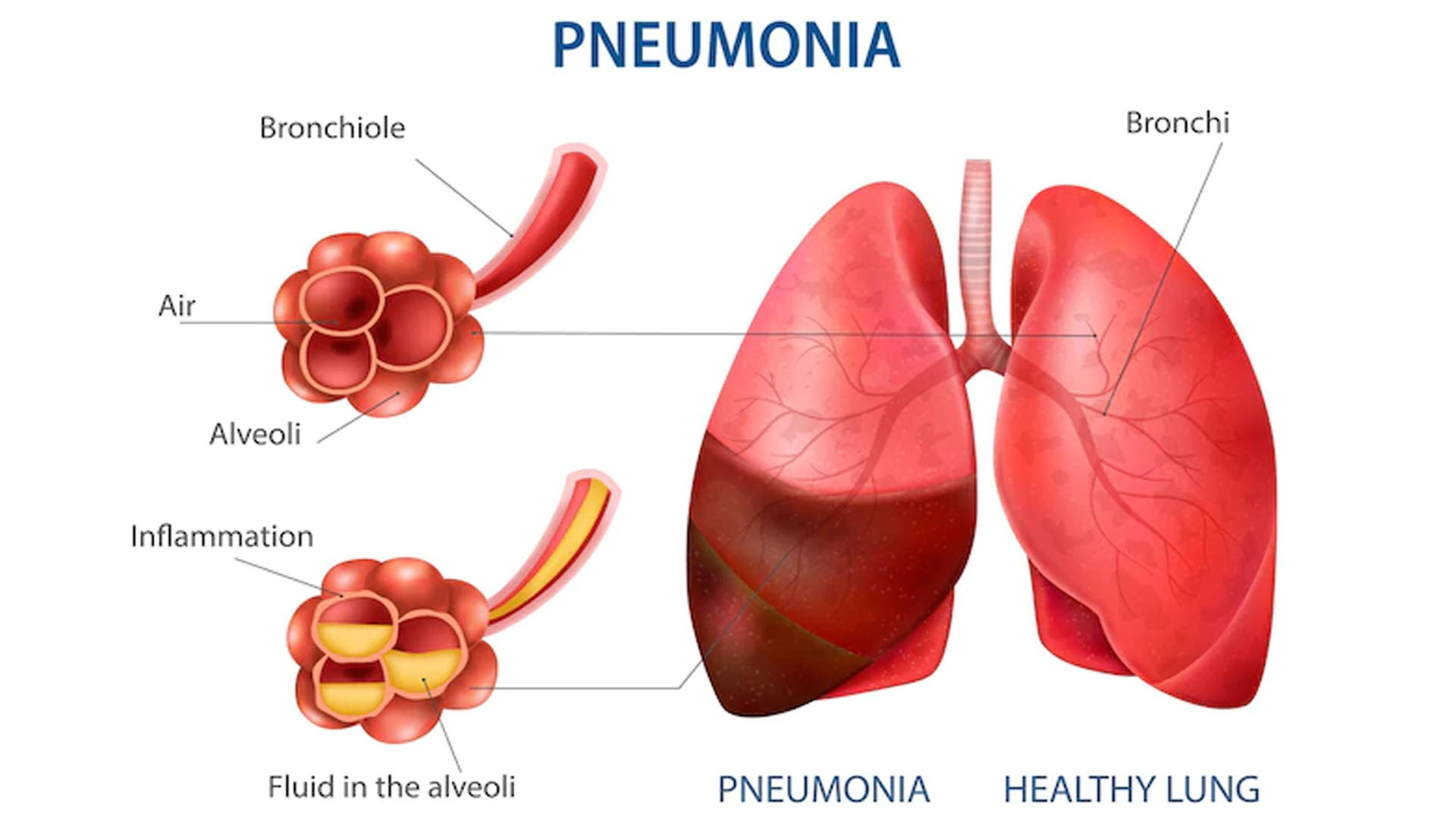
Pneumonia is an inflammatory condition of the lungs caused by infections from bacteria, viruses, or fungi. It can lead to severe respiratory issues if left untreated.
- Common symptoms include cough, fever, chills, and difficulty breathing.
- The diagnosis usually involves a physical exam along with imaging tests such as a x-ray.
- Treatment may consist of antibiotics, antiviral medications, or supportive care like oxygen therapy.
- Keen monitoring is essential to manage complications that may arise during recovery.
A timely diagnosis and appropriate treatment are vital for effective management of pneumonia.
ACUTE MYOCARDIAL INFARCTION
Acute myocardial infarction, commonly known as a heart attack, occurs when blood flow to the heart muscle is blocked. This can lead to serious complications if not treated promptly.
- Symptoms may include chest pain, shortness of breath, sweating, and nausea.
- The condition is typically diagnosed through an electrocardiogram (ECG), blood tests for cardiac enzymes, and imaging studies.
- Treatment options involve medications such as antiplatelets, thrombolytics, and sometimes interventions like angioplasty.
- Post-diagnosis care includes lifestyle changes and possible cardiac rehabilitation to enhance recovery.
Understanding the signs of acute myocardial infarction and seeking immediate medical attention can significantly improve outcomes.