
Dr Yogesh Patil
About Me
Dr Yogesh Patil
MBBS
Orthopaedic Surgeons
11 Years Experience
Biography
My Clinic
OPD Hours
| Monday | Morning | 09:00 AM | ||
| Evening | 09:00 PM | |||
| Tuesday | Morning | 09:00 AM | ||
| Evening | 09:00 PM | |||
| Wednesday | Morning | 09:00 AM | ||
| Evening | 09:00 PM | |||
| Thursday | Morning | 09:00 AM | ||
| Evening | 09:00 PM | |||
| Friday | Morning | 09:00 AM | ||
| Evening | 09:00 PM |
Treatments
Specialised care and treatments offered
BURSITIS
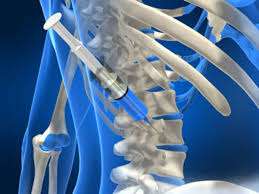
Bursitis refers to the inflammation of bursae—small fluid-filled sacs that cushion bones near joints. This condition frequently affects shoulders, elbows, hips, knees and results from repetitive movements or prolonged pressure on joints.
- Sufferers may experience localized soreness, swelling around affected areas along with limited mobility due to discomfort during movement activities.
- Diagnosis generally entails medical history evaluation followed by imaging studies for accurate assessment purposes.
- Treatment often includes rest from aggravating activities alongside ice application; physical therapy techniques may further enhance recovery while medications might help reduce inflammation where necessary.
With proper care protocols established early on,bursitis likelihood reduces dramatically allowing enhanced quality life experiences .
PLANTAR FASCIITIS

This common foot condition involves inflammation of the plantar fascia—a band of tissue that runs across the bottom of your foot. It often presents as heel pain during initial steps in the morning or after prolonged sitting periods.
- The main symptom includes stabbing pain near the heel that decreases with movement but worsens after long periods of rest.
- An accurate diagnosis typically involves clinical evaluation paired with medical history assessment regarding foot mechanics or activity levels.
- Common management strategies comprise stretching exercises for calf muscles and feet, orthotic shoe inserts for support, anti-inflammatory medications for pain relief.
Taking proactive measures can substantially alleviate discomfort while allowing individuals to return to their desired activities.
ROTATOR CUFF INJURY

The rotator cuff comprises a group of muscles and tendons that stabilize the shoulder joint. Injuries occur due to acute trauma or repetitive use leading to tears or inflammation.
- Patients may report shoulder pain, weakness during overhead activities, and reduced range of motion.
- A comprehensive assessment combined with imaging techniques such as MRI helps confirm the injury type and extent.
- Treatment ranges from conservative methods like rest, ice application, physical therapy focused on shoulder stability to surgical repair if conservative treatments fail.
Evolving treatment protocols aim at restoring shoulder function while minimizing recovery time for affected individuals.
TENDINITIS

Tendinitis is an inflammatory condition affecting tendons—the tissues connecting muscles to bones. Commonly affected areas include shoulders (rotator cuff tendinitis) and elbows (tennis elbow).
- Individuals may experience pain, swelling, and discomfort during movement or physical activity.
- A diagnosis usually involves a detailed history of symptoms along with imaging tests like ultrasound or MRI to confirm tendon involvement.
- Treatment approaches typically consist of rest, ice application, physical therapy exercises aimed at strengthening surrounding muscles, and sometimes corticosteroid injections for inflammation control.
Timely intervention can significantly improve recovery outcomes and restore mobility in daily activities.
CARPAL TUNNEL SYNDROME

This condition arises when the median nerve becomes compressed at the wrist, resulting in numbness and tingling in the hand. It's often associated with repetitive hand movements.
- Causative factors include genetic predisposition, wrist anatomy, and certain health conditions like diabetes.
- Diagnosis is made through symptom history and nerve conduction studies to evaluate nerve function.
- Treatment can involve wrist splints, anti-inflammatory medications, or corticosteroid injections for inflammation reduction.
- If symptoms persist or worsen, surgical release of the carpal tunnel may be considered to alleviate pressure on the nerve.
A prompt diagnosis can lead to effective management options that restore hand function and comfort.
OSTEOARTHRITIS

Osteoarthritis is a degenerative joint condition that primarily affects cartilage, leading to pain and stiffness. It commonly occurs in weight-bearing joints such as the knees, hips, and spine.
- Symptoms include joint pain, swelling, and decreased range of motion.
- The diagnosis typically involves a physical examination and imaging tests like X-rays or MRIs to assess joint changes.
- Treatment options may encompass lifestyle changes, physical therapy, medications, and in severe cases, surgical interventions such as joint replacement.
- Management focuses on pain relief and maintaining function through a tailored exercise program.
With appropriate management strategies, individuals can lead active lives despite the challenges posed by osteoarthritis.