
Dr Yogesh Yadav,
About Me
Dr Yogesh Yadav,
MD
Infectious disease specialists
10 Years Experience
Biography
My Clinic
OPD Hours
| Monday | Morning | 10:00 AM | - | 02:00 PM |
| Evening | 06:00 PM | - | 09:00 PM | |
| Tuesday | Morning | 10:00 AM | - | 02:00 PM |
| Evening | 06:00 PM | - | 09:00 PM | |
| Wednesday | Morning | 10:00 AM | - | 02:00 PM |
| Evening | 06:00 PM | - | 09:00 PM | |
| Thursday | Morning | 10:00 AM | - | 02:00 PM |
| Evening | 06:00 PM | - | 09:00 PM | |
| Friday | Morning | 10:00 AM | - | 02:00 PM |
| Evening | 06:00 PM | - | 09:00 PM | |
| Saturday | Morning | 10:00 AM | - | 02:00 PM |
| Evening | 06:00 PM | - | 09:00 PM | |
| Sunday | Morning | 10:00 AM | - | 02:00 PM |
| Evening | 06:00 PM | - | 09:00 PM |
Treatments
Specialised care and treatments offered
MANAGEMENT OF BONE & JOINT INFECTIONS
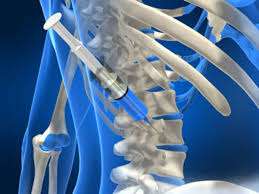
Bacterial infections affecting bones and joints require immediate medical attention to prevent serious complications like osteomyelitis. These infections can arise from various sources including trauma or systemic infections spreading throughout the body.
- Patients might experience localized pain over affected areas along with swelling and reduced movement.
- Diagnosis generally involves imaging studies alongside laboratory evaluations that confirm infection presence through cultures or blood tests.
- Treatment commonly features antibiotic therapies tailored based on culture results; surgical intervention may be necessary for abscess drainage or debridement.
Early diagnosis coupled with appropriate management enhances recovery prospects significantly.
VACCINE PREVENTABLE DISEASES CONSULTATION

Consultations regarding vaccine-preventable diseases are essential for public health. Vaccines play a critical role in preventing outbreaks of diseases such as measles, mumps, rubella, and pertussis among populations at risk.
- Symptoms vary by disease but often include fever, rash, respiratory issues, or gastrointestinal disturbances.
- Diagnosis typically requires clinical evaluation followed by serological testing when necessary.
- Vaccination protocols are standardized based on age and risk factors; these preventive measures are highly effective when administered appropriately.
Engaging in preventive healthcare practices such as vaccinations mitigates the risks associated with these infectious diseases.
SEPSIS MANAGEMENT

Sepsis is a life-threatening condition resulting from the body's response to infection. Rapid identification and intervention are critical for minimizing mortality risks associated with severe sepsis or septic shock.
- Common symptoms include confusion, high heart rate, fever or hypothermia, and difficulty breathing.
- An early diagnosis relies on clinical evaluations along with laboratory tests including blood cultures and imaging studies to locate the source of infection.
- The primary treatments involve prompt administration of intravenous fluids and antibiotics; advanced cases might require vasopressors or surgical intervention if there is an abscess or necrotic tissue present.
Timely medical care significantly improves survival rates in sepsis cases.
CHRONIC HEPATITIS C TREATMENT

The management of chronic Hepatitis C is vital for preventing long-term liver damage. This viral infection can lead to cirrhosis or liver cancer if left untreated. Comprehensive evaluation informs the best approach for each patient.
- Symptoms may be mild or absent initially but can include fatigue, jaundice, and abdominal pain as the disease progresses.
- Diagnosis frequently involves blood tests for hepatitis C antibodies followed by PCR testing to measure viral load.
- Direct-acting antiviral (DAA) therapies have revolutionized treatment, offering cure rates exceeding 95% in many cases.
- Patients will need regular follow-ups to assess liver function and treatment effectiveness during therapy.
With modern advancements in medicine, achieving sustained virologic response is more attainable than ever before.
TUBERCULOSIS TREATMENT

Tuberculosis (TB) remains a global public health concern. This infectious disease primarily affects the lungs but can also impact other systems. Effective management requires adherence to a structured treatment plan.
- The main symptoms include a persistent cough, chest pain, and coughing up blood.
- A diagnosis is usually made through chest X-rays and sputum tests that identify Mycobacterium tuberculosis.
- Treatment consists of a multi-drug regimen taken over several months to fully eradicate the bacteria.
- Patients should expect follow-up appointments to monitor progress and manage any side effects from medications.
Early detection and proper adherence to therapeutic protocols are essential for successful outcomes in TB management.
HIV/AIDS MANAGEMENT

Managing HIV/AIDS effectively is crucial for improving quality of life and reducing transmission. This condition involves a complex interaction between the virus and the immune system, necessitating comprehensive treatment strategies.
- Symptoms may include unexplained weight loss, fever, fatigue, and recurring infections.
- Diagnosis is typically confirmed through blood tests that detect the presence of HIV antibodies or the virus itself.
- Treatment options often involve antiretroviral therapy (ART), which helps control viral load and boosts immune function.
- Patients can expect regular monitoring of their health status and adjustments to their treatment regimen as needed.
With ongoing advances in treatment, individuals living with HIV can lead long and healthy lives.