
Dr Yojna Shriwas
About Me
Dr Yojna Shriwas
BDS
Dentist
10 Years Experience
Biography
My Clinic
OPD Hours
| Tuesday | Morning | 10:00 AM | - | 02:00 PM |
| Evening | 06:00 PM | - | 09:00 PM | |
| Wednesday | Morning | 10:00 AM | - | 02:00 PM |
| Evening | 06:00 PM | - | 09:00 PM | |
| Thursday | Morning | 10:00 AM | - | 02:00 PM |
| Evening | 06:00 PM | - | 09:00 PM | |
| Friday | Morning | 10:00 AM | - | 02:00 PM |
| Evening | 06:00 PM | - | 09:00 PM | |
| Saturday | Morning | 10:00 AM | - | 02:00 PM |
| Evening | 06:00 PM | - | 09:00 PM | |
| Sunday | Morning | 10:00 AM | - | 02:00 PM |
| Evening | 06:00 PM | - | 09:00 PM | |
| Thursday | Morning | 10:00 AM | - | 02:00 PM |
| Evening | 06:00 PM | - | 09:00 PM |
Treatments
Specialised care and treatments offered
TEETH WHITENING
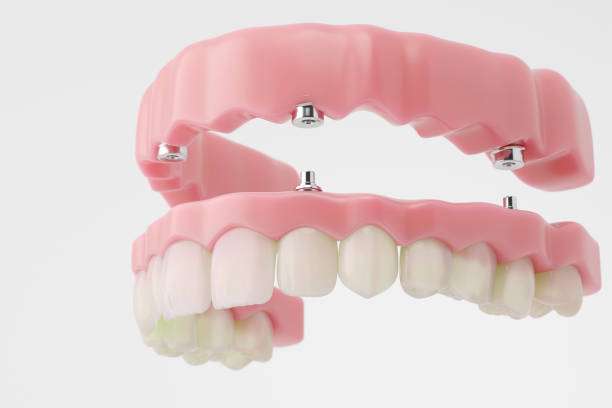
Teeth whitening has become increasingly popular among individuals looking for aesthetic enhancement of their smile. This cosmetic procedure aims to reduce discoloration caused by various factors including aging, diet, or smoking habits impacting enamel shades over time.< li >Treatment options vary between non-invasive solutions through custom trays employing potent yet safe gel applications applied at home compared against higher concentration products suited under clinical supervision< li >Expect results varying depending upon individual lifestyle adherence post-treatment along with maintenance efforts including avoidance guidelines following initial therapy sessions
Enhancing one’s smile through teeth whitening not only elevates confidence levels but also signifies commitment towards proper dental aesthetics along various facets that contribute positively towards personal image perception
ORAL CANCER SCREENING
An oral cancer screening is an essential part of maintaining oral health that focuses on identifying early signs of cancerous changes within the mouth. Early detection plays a critical role in effective treatment outcomes for conditions like oral cancer.
- The key symptoms prompting screening include persistent sores, unexplained lumps in the mouth area, or rough patches on gums/tongue surfaces that do not heal over time.'
- Screening typically involves visual examination combined with adjunctive tests if any suspicious areas are found
- Treatment depends on findings; they may range from simple monitoring of lesions to surgical interventions if malignancy is confirmed
- Regular screenings are advised especially for high-risk individuals including tobacco users or those with significant alcohol consumption histories
Being proactive about screenings fosters awareness about your own health while allowing timely intervention where necessary
ROOT CANALS
A root canal procedure is a therapeutic process aimed at saving a tooth affected by infection or damage. The goal is to remove the infected pulp tissue within the tooth while maintaining its structure for functional use in chewing and speaking.
- This condition typically arises due to untreated cavities or trauma leading to infection.
- Dentists diagnose the need for a root canal using X-rays that show decay extent and symptoms like pain in the affected tooth region.
- The treatment involves local anesthesia followed by cleaning out the inner chamber of the tooth before sealing it with filling material.
- Afterward, a dental crown is often placed over the treated tooth for added strength and protection against future issues.
A successful root canal can relieve pain, protect your smile, and prevent further complications effectively if addressed promptly with proper care thereafter.
TOOTH SENSITIVITY
Tooth sensitivity manifests as a sharp pain or discomfort in response to certain stimuli like hot or cold foods. This common issue affects many individuals and can significantly impact daily activities related to eating and drinking.
- The main causes of tooth sensitivity include enamel erosion, gum recession exposing tooth roots, and cavities.
- A dentist may diagnose this condition through patient history review and clinical evaluation of teeth sensitivity reactions during an examination.
- Treatment strategies may involve desensitizing agents applied at home or professional treatments such as fluoride varnishes or bonding agents for more immediate relief.
- Ongoing management could include using specialized toothpaste designed for sensitive teeth and ensuring correct brushing techniques to minimize further enamel wear.
Coping with tooth sensitivity effectively requires understanding its triggers and implementing preventive measures alongside professional guidance from your dentist.
GUM DISEASE
Gum disease, or periodontal disease, is an inflammatory condition affecting the tissues surrounding the teeth. It is primarily caused by plaque buildup and can progress from mild inflammation to severe tissue loss.
- Common symptoms of gum disease include swollen gums that bleed during brushing, bad breath, and receding gum lines.
- A thorough examination by a dentist will assess gum health using probes to measure pocket depth around teeth.
- Treatment focuses on professional cleaning to remove plaque and tartar followed by ongoing maintenance such as improved oral hygiene practices at home.
- Surgical options may be considered if deep pockets develop that do not respond to non-surgical treatments.
- A commitment to regular dental visits can greatly reduce the risk of developing serious gum issues.
Taking proactive steps in managing gum health is essential for preserving your smile and overall well-being.
CAVITIES
Cavities, also known as dental caries, are one of the most prevalent chronic conditions affecting oral health. They occur when acids produced by bacteria in the mouth erode the tooth enamel, leading to decay.
- Symptoms may include tooth sensitivity, visible holes in teeth, and pain while chewing.
- The condition is diagnosed through routine dental examinations and X-rays that reveal decay beneath the surface.
- Treatment options vary from fluoride applications for early stages to fillings or crowns for more advanced cases.
- In severe instances, a root canal might be necessary to remove infected nerve tissue.
- Regular dental check-ups can help monitor oral health and prevent cavities from forming.
Understanding cavities can empower patients to maintain better oral hygiene and seek timely treatment when needed.