
Dr Yunus Loya
About Me
Dr Yunus Loya
Cardiologist
Biography
My Clinic
OPD Hours
| Tuesday | Morning | 10:00 AM | - | 02:00 PM |
| Evening | 06:00 PM | - | 09:00 PM | |
| Wednesday | Morning | 10:00 AM | - | 02:00 PM |
| Evening | 06:00 PM | - | 09:00 PM | |
| Thursday | Morning | 10:00 AM | - | 02:00 PM |
| Evening | 06:00 PM | - | 09:00 PM | |
| Friday | Morning | 10:00 AM | - | 02:00 PM |
| Evening | 06:00 PM | - | 09:00 PM | |
| Saturday | Morning | 10:00 AM | - | 02:00 PM |
| Evening | 06:00 PM | - | 09:00 PM | |
| Sunday | Morning | 10:00 AM | - | 02:00 PM |
| Evening | 06:00 PM | - | 09:00 PM | |
| Thursday | Morning | 10:00 AM | - | 02:00 PM |
| Evening | 06:00 PM | - | 09:00 PM |
Treatments
Specialised care and treatments offered
PERCUTANEOUS CORONARY INTERVENTION (PCI)

Percutaneous Coronary Intervention (PCI), commonly referred to as angioplasty, serves as a pivotal treatment option for coronary artery disease. It effectively restores blood flow through narrowed arteries without major surgical procedures required for bypass surgery procedures sometimes linked directly towards myocardial infarction events over time—especially when timely intervention occurs!
--- --{}{}Stive ; then there following optimization strategies best utilized; treatments can provide on-going therapies decreasing mortality rates drastically encountered again battling unbeatable fragility over unpredictable timelines.
TRANSCATHETER AORTIC VALVE REPLACEMENT (TAVR)
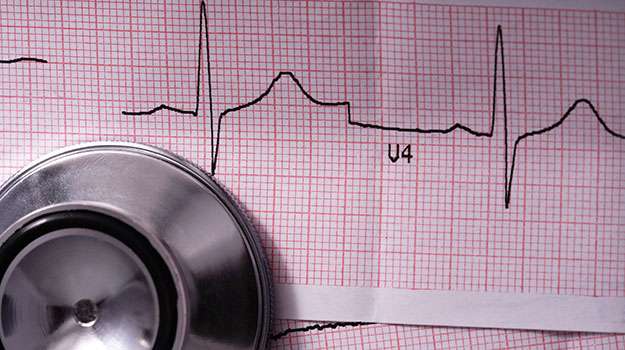
TAVR is a minimally invasive surgical option designed for patients with severe aortic stenosis who may not tolerate traditional open-heart surgery. This technique allows effective valve replacement without extensive recovery time associated with conventional methods.
- Aortic stenosis symptoms, such as extreme fatigue during exertion, chest pain, and syncope should be evaluated promptly by medical professionals.
- A thorough diagnosis can involve echocardiography or CT scans to assess severity before proceeding with TAVR technology evaluation standards set forth by cardiology guidelines.
- The procedure uses small incisions through which a collapsible valve is guided into place via catheterization under local anesthesia in many cases, allowing safe implementation even in fragile patients.
LEFT ATRIAL APPENDAGE CLOSURE
The left atrial appendage closure procedure aims to reduce stroke risk in patients with atrial fibrillation by sealing off an area in the heart where clots commonly form. It's an innovative approach for those who cannot take anticoagulants long-term.
- Candidates often present with recurrent strokes despite treatment due to high-risk conditions associated with AFib.
- The diagnostic process may include transesophageal echocardiography (TEE) for accurate visualization of the left atrial appendage shape and size.
- The closure device prevents clot formation while maintaining normal cardiac function and is delivered via catheterization without open-heart surgery intervention.
This less invasive solution opens up new avenues for stroke prevention among high-risk patients without requiring continuous anticoagulation therapy.
HEART VALVE REPAIR OR REPLACEMENT
This procedure addresses issues with one or more of the heart's valves, which regulate blood flow. Conditions affecting these valves can lead to significant cardiovascular complications if untreated.
- Common symptoms include shortness of breath, swelling in ankles or feet, and a rapid heartbeat.
- A thorough diagnosis involves echocardiograms and stress tests to evaluate valve function accurately.
- Treatment options range from repairing malfunctioning valves to complete replacement using mechanical or biological valves as needed.
- The prognosis post-surgery varies but many see improved quality of life thanks to restored blood flow efficiency within the heart.
This surgery is critical for patients experiencing severe valve disease that compromises their cardiac health.
ATRIAL FIBRILLATION ABLATION
Atrial fibrillation (AFib) ablation is a procedure aimed at correcting irregular heart rhythms caused by abnormal electrical signals in the heart. It can significantly improve patient outcomes and quality of life.
- The main symptoms include palpitations, dizziness, or fatigue.
- Diagnosis often utilizes an Echocardiogram, Holter monitoring, or electrocardiograms (ECGs) to assess heart rhythm.
- During ablation, catheters are inserted through the veins to destroy tissue causing the irregular rhythm using radiofrequency energy.
- Post-ablation care typically includes monitoring for symptoms and recovery support; many experience lasting relief from AFib episodes.
This treatment offers hope for those struggling with persistent atrial fibrillation after standard medication fails.
CORONARY ANGIOPLASTY
Coronary angioplasty is a procedure used to open narrowed or blocked blood vessels of the heart. It enhances blood flow and helps reduce symptoms of coronary artery disease.
- Symptoms may include chest pain, shortness of breath, or fatigue during physical activity.
- Diagnosis typically involves an angiogram, where contrast dye is injected into the coronary arteries to visualize blockages.
- Treatment usually includes a balloon catheter that is inflated at the blockage site to widen the artery, sometimes followed by inserting a stent.
- Post-procedure, patients can expect a better quality of life with reduced symptoms and improved heart function.
This minimally invasive technique has allowed many patients to enjoy an enhanced lifestyle with fewer cardiac limitations.