
Dr Zainulabedin Hamdani
About Me
Dr Zainulabedin Hamdani
Dermatologist
Biography
My Clinic
OPD Hours
| Tuesday | Morning | 10:00 AM | - | 02:00 PM |
| Evening | 06:00 PM | - | 09:00 PM | |
| Wednesday | Morning | 10:00 AM | - | 02:00 PM |
| Evening | 06:00 PM | - | 09:00 PM | |
| Thursday | Morning | 10:00 AM | - | 02:00 PM |
| Evening | 06:00 PM | - | 09:00 PM | |
| Friday | Morning | 10:00 AM | - | 02:00 PM |
| Evening | 06:00 PM | - | 09:00 PM | |
| Saturday | Morning | 10:00 AM | - | 02:00 PM |
| Evening | 06:00 PM | - | 09:00 PM | |
| Sunday | Morning | 10:00 AM | - | 02:00 PM |
| Evening | 06:00 PM | - | 09:00 PM | |
| Thursday | Morning | 10:00 AM | - | 02:00 PM |
| Evening | 06:00 PM | - | 09:00 PM |
Treatments
Specialised care and treatments offered
SKIN CANCER SCREENING
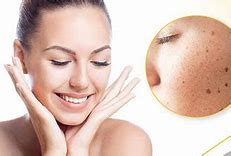
Regular screening for skin cancer plays a vital role in early detection which significantly improves treatment outcomes. Skin cancer can present itself in various forms including melanoma, basal cell carcinoma (BCC), and squamous cell carcinoma (SCC) among others which necessitate thorough evaluation periodically especially if risks are identified based upon personal/family history or UV exposure levels over time
- Common signs to watch out for are unusual moles, growths that change color/size/shape over time & generally new lesions appearing on previously healthy looking skin
- During screenings dermatologists visually assess all areas including hard-to-see regions using tools designed specifically for comprehensive evaluations
- Should concerns arise
MELASMA
This common skin disorder results in brown or gray-brown patches usually found on the face. Melasma primarily affects women but can also occur in men. Hormonal changes like those experienced during pregnancy significantly contribute to its development along with sun exposure.
- The main symptom involves hyperpigmented areas typically appearing on sun-exposed areas such as cheeks and forehead.
- Diagnosis involves visual inspection by a dermatologist; sometimes dermoscopy is used for clarity.
- Treatment methods encompass topical lightening agents like hydroquinone as well as procedural interventions such as chemical peels or laser treatments to help even out skin tone.
- Regular use of broad-spectrum sunscreen is crucial in preventing worsening pigmentation caused by sun exposure.
Effective management requires patience over time since complete resolution may take several months depending on individual circumstances.
ROSACEA
A chronic facial skin condition characterized by redness on the face. Rosacea can affect anyone but is most commonly seen in fair-skinned individuals. The cause remains unclear but may involve genetic factors alongside environmental triggers like sun exposure and stress.
- The primary symptoms include flushing, persistent redness, visible blood vessels, and occasionally small bumps that resemble acne.
- A healthcare professional usually makes a diagnosis based on visible signs during an examination without needing invasive tests normally associated with other conditions.
- Treatment focuses on lifestyle modifications along with topical or oral medications that help reduce inflammation and redness over time.
- Laser therapy can also be effective in treating prominent blood vessels associated with rosacea.
An individualized management plan is essential for achieving better control over this condition’s symptoms and improving one’s confidence in social interactions.
ECZEMA
Eczema is an inflammatory skin condition that leads to dry, itchy patches on the skin. It is especially common in children but can persist into adulthood or appear later in life due to various triggers such as allergens or stress.
- Main symptoms include intense itching, redness, swelling, and flaking of the affected areas.
- A dermatologist typically diagnoses eczema based on clinical history and observation of the skin's appearance.
- Treatment includes moisturizers to keep the skin hydrated and topical corticosteroids to reduce inflammation during flare-ups.
- Avoiding known triggers is a critical component of managing this condition effectively.
- Pediatric patients might require special considerations regarding safe treatments for their age group.
Consistent care helps manage symptoms effectively and improves the overall quality of life for those affected by eczema.
PSORIASIS
This chronic autoimmune condition leads to the rapid buildup of skin cells, forming scales and red patches that can be itchy and sometimes painful. Psoriasis is known to have periods of flare-ups interspersed with remissions.
- The most common symptoms include thickened, red patches covered with silvery-white scales.
- A dermatologist diagnoses psoriasis through visual examination; sometimes a biopsy is required for confirmation.
- Treatment may involve topical treatments like corticosteroids, phototherapy, or systemic medications to control inflammation.
- Biologics are also effective for moderate-to-severe cases by targeting specific parts of the immune system.
- Patients should expect ongoing management to maintain symptom control and improve quality of life.
Overall management strategies are crucial for reducing flare-ups and promoting skin health.
ACNE
Acne is a common skin condition that primarily affects adolescents and young adults, although it can occur at any age. It manifests as pimples, blackheads, or cysts, often resulting from excess oil production and clogged pores.
- Symptoms include the appearance of various types of lesions such as whiteheads, blackheads, and inflamed pustules.
- The condition can be diagnosed through a physical examination by a dermatologist.
- Treatment options range from topical creams containing retinoids to systemic medications like antibiotics or hormonal therapies.
- In more severe cases, procedures such as chemical peels or laser therapy may be recommended.
- Management also involves lifestyle modifications like proper skin hygiene and diet adjustments.
With appropriate treatment, individuals can achieve significant improvements in their skin's appearance and health.