
Dr Zainulabedin Hamdulay
About Me
Dr Zainulabedin Hamdulay
Cardiologist
Biography
My Clinic
OPD Hours
| Tuesday | Morning | 10:00 AM | - | 02:00 PM |
| Evening | 06:00 PM | - | 09:00 PM | |
| Wednesday | Morning | 10:00 AM | - | 02:00 PM |
| Evening | 06:00 PM | - | 09:00 PM | |
| Thursday | Morning | 10:00 AM | - | 02:00 PM |
| Evening | 06:00 PM | - | 09:00 PM | |
| Friday | Morning | 10:00 AM | - | 02:00 PM |
| Evening | 06:00 PM | - | 09:00 PM | |
| Saturday | Morning | 10:00 AM | - | 02:00 PM |
| Evening | 06:00 PM | - | 09:00 PM | |
| Sunday | Morning | 10:00 AM | - | 02:00 PM |
| Evening | 06:00 PM | - | 09:00 PM | |
| Thursday | Morning | 10:00 AM | - | 02:00 PM |
| Evening | 06:00 PM | - | 09:00 PM |
Treatments
Specialised care and treatments offered
ATRIAL FIBRILLATION MANAGEMENT

Atrial fibrillation (AFib) is characterized by irregular heartbeat patterns which can disrupt efficient blood flow throughout the body. Understanding AFib is essential as it increases stroke risk along with other complications related directly within cardiovascular systems if left unmanaged appropriately over time.
A fib's symptoms include palpitations/rapid pulse rates associated fatigue/dizziness so early detection becomes important so active monitoring takes place consistently through regular visits where screenings allow assessments towards underlying causes potentially related -such coronary disease/hypertension levels experienced prior/afterward determined based respective assessments conducted initially.
Treatment options would typically range from medications aimed at managing rate/rhythm control followed by anticoagulants designed preventing clot formation occurring within arteries across various regions affected directly related throughout circulatory pathways established naturally!
Lifestyle choices, including adhering healthy dietary strategies/exercise regimens remain fundamental foundations building blocks supporting long-term recovery efforts toward mitigating adverse effects arising ultimately leading alternatively towards better quality living experiences going forward!
STRESS TESTING
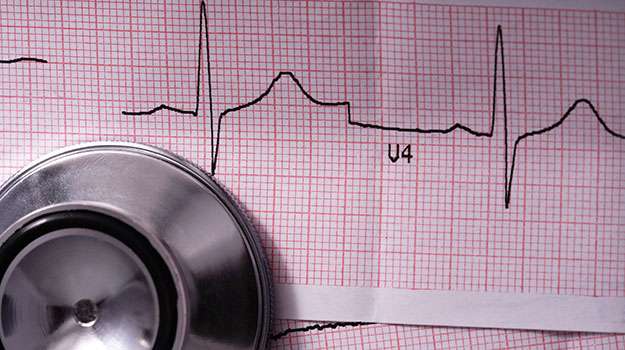
A cardiac stress test evaluates how well your heart performs under physical stress. It’s particularly useful for identifying coronary artery disease or other underlying cardiac issues that could jeopardize your health during exercise or daily activities.
- This testing typically involves walking on a treadmill while monitoring your heart rate, breathing patterns, blood pressure changes; sometimes imaging techniques are also utilized post-exercise for enhanced analysis.
- Sooner indications of problems may be noticed when the body encounters increased demands that call upon overall cardiovascular efficiency during testing sessions.
Following completion of stress testing components tailored recommendations may center around lifestyle modification alongside any prescribed treatments necessary moving forth ensuring ongoing vigilance surrounding overall cardiology concerns present today & tomorrow's outcomes!
ELECTROCARDIOGRAM (ECG)
An electrocardiogram (ECG) is a fundamental diagnostic tool used to monitor electrical activity of the heart. It provides insight into how well your heart is functioning over time and helps identify irregularities that may require further investigation.
- This test records your heartbeat's rhythm using small electrodes placed on the skin; it’s quick and non-invasive with minimal discomfort involved.
- An ECG can diagnose conditions such as arrhythmias, previous hearts attacks or ongoing ischemia by analyzing patterns in electrical activity during each heartbeat.
- No special preparation is needed; however, being relaxed during the test yields clearer results.
- If abnormalities are identified during an ECG reading, your doctor might recommend additional tests or treatments based on findings from this initial evaluation.
This simple procedure plays an integral role in monitoring cardiac health—timely insights gained from an ECG can lead to effective management strategies for existing conditions or preventive approaches for at-risk patients.
HEART DISEASE PREVENTION
Preventing heart disease involves a combination of lifestyle choices and regular medical evaluations. By investing time in preventive measures, individuals can significantly lower their risk of cardiac events.
- Key risk factors include smoking, obesity, lack of physical activity, poor diet, and family history of heart disease.
- A thorough assessment usually includes reviewing personal health history along with physical exams and possibly stress tests or imaging studies.
- Management strategies often focus on achieving a balanced diet rich in fruits and vegetables while minimizing saturated fats and sugars; exercising regularly also plays a critical role.
- Cessation programs exist for smokers looking to quit as well as support groups that offer accountability through lifestyle changes.
- An ongoing partnership with healthcare providers is essential for personalized advice tailored specifically to individual risk profiles.
Your commitment to preventive care today will help ensure better heart health in the future. Regular check-ups are key!
CHOLESTEROL SCREENING
Cholesterol screening is a vital process to evaluate levels of cholesterol in your bloodstream. High cholesterol can increase the risk of developing heart disease if not addressed adequately.
- Most people do not exhibit symptoms of high cholesterol; thus, regular screening is important for early detection.
- A blood test called a lipid panel measures total cholesterol, LDL (bad) cholesterol, HDL (good) cholesterol, and triglycerides.
- If high levels are detected, lifestyle changes such as dietary adjustments, increased physical activity, or medication may be recommended.
- The ideal frequency for screenings often depends on age and risk factors but generally starts at age 20 every four to six years.
- Keeping cholesterol levels in check contributes significantly to long-term heart health by reducing risks associated with arterial blockages.
Taking proactive steps towards monitoring your cholesterol can help maintain a healthy cardiovascular system and prevent potential health issues down the line.
HYPERTENSION MANAGEMENT
Hypertension, commonly known as high blood pressure, is a condition where the force of the blood against the artery walls is too high. This can lead to serious health issues like heart disease and stroke if left unchecked.
- Common symptoms include headaches, shortness of breath, and nosebleeds, although many may experience no symptoms at all.
- The diagnosis typically involves measuring blood pressure over time and may require additional tests to assess heart health.
- Treatment options often involve lifestyle changes such as a low-sodium diet, regular exercise, and medications like diuretics or ACE inhibitors.
- Regular monitoring and follow-up appointments are essential to adjust treatment plans as necessary.
- If effectively managed, individuals can significantly reduce their risk of cardiovascular complications.
Understanding hypertension is crucial for prevention; routine check-ups can lead to early detection and successful management of this condition.