
Dr Zaveri Kusum
About Me
Dr Zaveri Kusum
General Physician
Biography
My Clinic
OPD Hours
| Tuesday | Morning | 10:00 AM | - | 02:00 PM |
| Evening | 06:00 PM | - | 09:00 PM | |
| Wednesday | Morning | 10:00 AM | - | 02:00 PM |
| Evening | 06:00 PM | - | 09:00 PM | |
| Thursday | Morning | 10:00 AM | - | 02:00 PM |
| Evening | 06:00 PM | - | 09:00 PM | |
| Friday | Morning | 10:00 AM | - | 02:00 PM |
| Evening | 06:00 PM | - | 09:00 PM | |
| Saturday | Morning | 10:00 AM | - | 02:00 PM |
| Evening | 06:00 PM | - | 09:00 PM | |
| Sunday | Morning | 10:00 AM | - | 02:00 PM |
| Evening | 06:00 PM | - | 09:00 PM | |
| Thursday | Morning | 10:00 AM | - | 02:00 PM |
| Evening | 06:00 PM | - | 09:00 PM |
Treatments
Specialised care and treatments offered
ASTHMA MANAGEMENT
Asthma is a chronic respiratory condition that inflames the airways leading to difficulty breathing. Understanding asthma is crucial for effective self-management and improving quality of life for those affected by it.
- Symptoms: Common signs include wheezing, coughing (especially at night), chest tightness, and shortness of breath during physical activities or exposure to allergens.
- Causes: Triggers may include allergens like pollen or dust mites, stress factors or infections impacting lung function.
- Diagnosis:A thorough review of medical history along with lung function tests aids in accurately diagnosing asthma severity levels.
HYPERLIPIDEMIA
The term hyperlipidemia refers to elevated levels of lipids (fats) in the bloodstream, which can increase cardiovascular risk. It's essential to understand this condition for proactive health management.
- Symptoms: Generally asymptomatic but can lead to chest pain or xanthomas in severe cases.
- Causes: Common causes include poor dietary habits rich in saturated fats and genetic factors affecting lipid metabolism.
- Diagnosis: A simple blood test can determine lipid profile levels during routine evaluations or if obesity is present.
- Treatment: Lifestyle modifications like diet changes focusing on healthy fats, increased physical activity and cholesterol-lowering medications when warranted are recommended.
- What to expect: Regular check-ups will help monitor lipid levels while making adjustments to your treatment plan as needed based on your progress and overall health goals.
A comprehensive strategy is key in managing hyperlipidemia effectively for long-term cardiovascular health benefits.
DIABETES MANAGEMENT

Diabetes is a chronic condition characterized by elevated levels of glucose in the bloodstream. Both Type 1 and Type 2 diabetes require careful management to prevent complications. Educating oneself about diabetes is vital for maintaining overall health.
- Symptoms: Increased thirst, frequent urination, fatigue, and blurred vision are common indicators.
- Causes: Genetic predisposition plays a role alongside lifestyle factors such as obesity and sedentary behavior.
- Diagnosis: Blood tests measuring glucose levels confirm diabetes status during routine check-ups or if symptoms are present.
- Treatment: Involves dietary changes, regular physical activity, blood sugar monitoring, and insulin therapy if necessary.
- What to expect: Continuous education on managing the disease while establishing a supportive health care routine.
A proactive approach in managing diabetes can significantly enhance quality of life and reduce the risk of complications over time.
HYPERTENSION
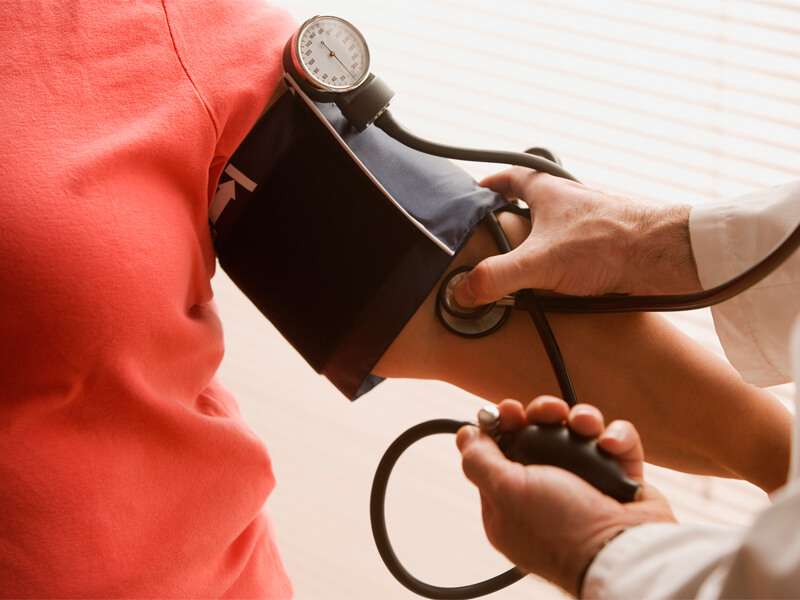
Hypertension, commonly known as high blood pressure, is a condition that often goes unnoticed until serious complications arise. It can lead to significant health risks, including heart disease and stroke. Understanding this condition is essential for effective management.
- Symptoms: Often asymptomatic, but may include headaches, shortness of breath, or nosebleeds.
- Causes: Factors include genetics, poor diet, lack of physical activity, and excessive alcohol consumption.
- Diagnosis: Blood pressure readings taken during routine doctor visits or with home monitoring devices.
- Treatment: Lifestyle changes such as improved diet, regular exercise, limiting alcohol intake, and prescribed medications when necessary.
- What to expect: Regular monitoring of blood pressure and potential adjustments to treatment plans based on lifestyle modifications and health goals.
Managing hypertension effectively requires dedication to lifestyle changes along with consistent medical follow-ups.