
Dr Zeenat Bhalwani
About Me
Dr Zeenat Bhalwani
Dermatologist
Biography
My Clinic
OPD Hours
| Tuesday | Morning | 10:00 AM | - | 02:00 PM |
| Evening | 06:00 PM | - | 09:00 PM | |
| Wednesday | Morning | 10:00 AM | - | 02:00 PM |
| Evening | 06:00 PM | - | 09:00 PM | |
| Thursday | Morning | 10:00 AM | - | 02:00 PM |
| Evening | 06:00 PM | - | 09:00 PM | |
| Friday | Morning | 10:00 AM | - | 02:00 PM |
| Evening | 06:00 PM | - | 09:00 PM | |
| Saturday | Morning | 10:00 AM | - | 02:00 PM |
| Evening | 06:00 PM | - | 09:00 PM | |
| Sunday | Morning | 10:00 AM | - | 02:00 PM |
| Evening | 06:00 PM | - | 09:00 PM | |
| Thursday | Morning | 10:00 AM | - | 02:00 PM |
| Evening | 06:00 PM | - | 09:00 PM |
Treatments
Specialised care and treatments offered
SKIN CANCER SCREENING
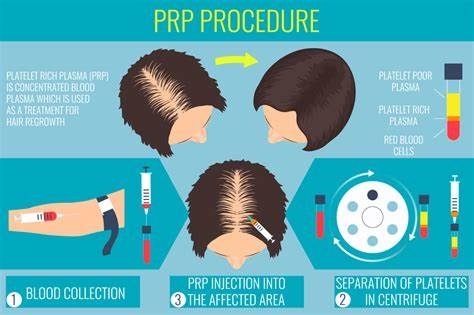
The early detection of skin cancer significantly enhances treatment outcomes. Regular screenings are vital as they help identify abnormalities in moles or new growths before they evolve into advanced stages.
- Look out for changes in existing moles such as increased size / color variations which indicate potential malignancy risk !
- Dermatologists employ dermatoscopy techniques examining skins closely aiding identification concerning suspicious lesions during check-ups .
- If an irregularity appears concerning follow-up biopsies likely further evaluate cellular aspects confirming malignant nature !
- Management includes surgical removal amongst options provided based patient specific conditions needing attention short & long-term monitoring too!
Proactive engagement ensures healthier outcomes where prevention remains central approach enhancing overall wellness journey against potentially lethal diseases .
FUNGAL INFECTIONS
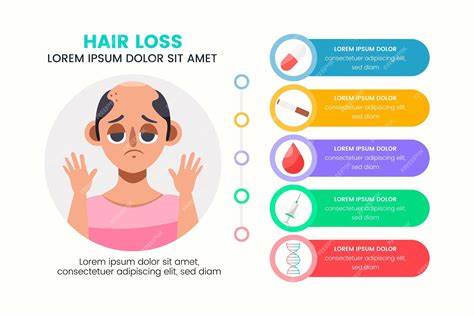
Dermatophyte infections affect outer layers of skin caused by fungi leading to various conditions like athlete's foot or ringworm. These infections thrive in warm moist environments making them quite common among individuals who sweat excessively or use communal facilities.
- Main symptoms refer to itching rashes accompanied by scaling that might appear ring-shaped depending upon infection type including tinea corporis (ringworm).
- A healthcare professional typically confirms diagnoses through physical examination complemented by culture tests when necessary identifying responsible pathogens clearly before commencement treatment route!
- Treatment methods involve antifungal creams/pills depending severity levels while keeping area dry regularly aids recovery!
If managed properly through adherence prescribed regimens , fungal infections resolve efficiently without recurring issues causing discomfort long-term .
ROSACEA
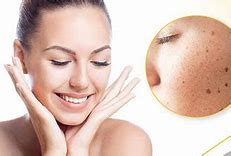
Rosacea is a chronic inflammatory skin disorder primarily affecting facial areas. It manifests as flushing redness that can progress to visible blood vessels over time if left untreated.
- The main symptoms include persistent redness on the cheeks, nose, chin or forehead along with small bumps resembling acne without blackheads.
- A dermatologist conducts visual evaluations along with patient history assessment for an accurate diagnosis of rosacea types including erythematotelangiectatic rosacea or papulopustular rosacea among others.
- Treatment may encompass topical agents like metronidazole or azelaic acid; laser therapy is also an option for vascular lesions.
- Lifestyle changes such as avoiding known triggers contribute significantly towards successful management of this condition over time.
Consistent care from skincare professionals makes it possible to manage rosacea effectively while minimizing flare ups on the face!
ACNE
Acne is a prevalent skin condition resulting from clogged hair follicles due to excess oil and dead skin cells. It most commonly affects adolescents but can occur at any age.
- Main symptoms include pimples, blackheads, whiteheads, and in more severe cases, cysts or nodules on the face, back, or shoulders.
- A thorough clinical evaluation helps diagnose acne based on its visual characteristics; sometimes hormonal assessments are necessary for women.
- Treatment options range from topical retinoids to oral antibiotics or hormonal therapies for persistent cases offering long-term improvement.
- Long-term management often involves lifestyle adjustments alongside professional care for optimal results.
With persistence in treatment strategies prescribed by a dermatologist, significant improvements in acne can be achieved over time.
ECZEMA
Eczema, also known as atopic dermatitis, is a common inflammatory skin condition characterized by red, itchy rashes. It often appears in childhood but can persist into adulthood.
- The main symptoms are dry and inflamed skin that may ooze or become crusty during flare-ups.
- Diagnosis generally involves assessing the patient's medical history and examining the affected areas of skin.
- Treatment focuses on moisturizing the skin regularly and may include topical corticosteroids or antihistamines to alleviate itching.
- A comprehensive management plan is essential for reducing flare frequency and severity over time.
Understanding triggers and incorporating proper skincare routines are crucial in managing eczema effectively.
PSORIASIS
Psoriasis is a chronic autoimmune condition that leads to the rapid growth of skin cells, forming scales and red patches that can be itchy and sometimes painful. This condition can significantly impact a person's quality of life.
- Symptoms include raised, red patches covered with thick, silvery scales, dry skin that may crack and bleed, and itching or burning sensations.
- Diagnosis typically involves a physical examination of the skin; in some cases, a biopsy may be performed to rule out other conditions.
- Treatment options can include topical treatments such as corticosteroids, phototherapy, or systemic medications for more severe cases.
- Patients should expect ongoing management of the condition to control flare-ups effectively.
With appropriate treatment plans tailored for individual needs, those living with psoriasis can find relief from symptoms and improve their skin's appearance.