
Dr Zubin Sharma
About Me
Dr Zubin Sharma
MBBS
Podiatrist
10 Years Experience
Biography
My Clinic
OPD Hours
| Monday | Morning | 10:00 AM | - | 02:00 PM |
| Evening | 06:00 PM | - | 09:00 PM | |
| Tuesday | Morning | 10:00 AM | - | 02:00 PM |
| Evening | 06:00 PM | - | 09:00 PM | |
| Wednesday | Morning | 10:00 AM | - | 02:00 PM |
| Evening | 06:00 PM | - | 09:00 PM | |
| Thursday | Morning | 10:00 AM | - | 02:00 PM |
| Evening | 06:00 PM | - | 09:00 PM | |
| Friday | Morning | 10:00 AM | - | 02:00 PM |
| Evening | 06:00 PM | - | 09:00 PM | |
| Saturday | Morning | 10:00 AM | - | 02:00 PM |
| Evening | 06:00 PM | - | 09:00 PM | |
| Sunday | Morning | 10:00 AM | - | 02:00 PM |
| Evening | 06:00 PM | - | 09:00 PM |
Treatments
Specialised care and treatments offered
BIOMECHANICAL ASSESSMENTS
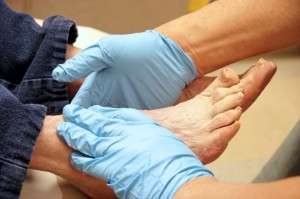
Biomechanical assessments evaluate how an individual's body functions while walking or running. This comprehensive analysis identifies abnormalities that can lead to injuries over time. Such evaluations play a vital role in crafting tailored treatment plans suited specifically for different patients' needs based on findings observed during assessments
- Symptoms indicating further assessment might include persistent pain affecting knees ankles hips etc during movement
- Observational techniques combined with motion capture technology help establish precise diagnoses allowing practitioners insight towards underlying causes
- Treatment mainly focuses on corrective exercises custom insoles proper shoe selections thereby enhancing overall biomechanics influencing performance positively while reducing injury risks
- Regular assessments aid ongoing adjustments ensuring continued effectiveness throughout one's lifespan/activities thus maintaining healthy biomechanics consistently .
Utilizing biomechanical assessments not only enhances athletic performance but promotes active lifestyles free from debilitating chronic conditions arising from improper leg/foot mechanics .
FLAT FEET (PES PLANUS)
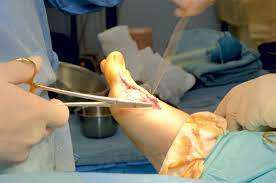
Flat feet occur when the arches of your feet collapse upon standing. This can lead to discomfort during activities; recognizing flat feet early helps mitigate potential complications later on such as undue stress on joints
- The condition often presents through symptoms like fatigue in muscles around your feet after extended periods of standing or walking
- Diagnosis typically involves observing your stance while standing; flexibility testing may also be performed
- Treatment options include supportive footwear designed specifically for flat feet along with stretching exercises
- In some instances where pain persists despite conservative measures surgery may be considered
- Early intervention aids greatly in reducing symptoms allowing individuals to remain active without limitations
Proactively managing flat feet not only improves comfort but also enhances overall mobility enjoying everyday activities without worry
INGROWN TOENAILS
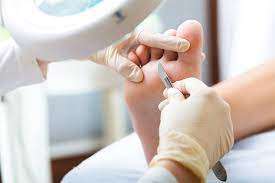
An ingrown toenail occurs when the edge of a toenail grows into the surrounding skin, leading to pain, redness, swelling, and sometimes infection. It often affects the big toe but can occur on any toe when nails are improperly trimmed or due to tight footwear.
- Painful symptoms usually manifest during walking or wearing shoes as pressure increases on the affected area.
- A thorough examination allows for an accurate diagnosis; sometimes imaging tests are necessary if infections are recurrent or severe.
- Treatment might involve careful nail trimming at home or professionally; severe cases could require minor surgical intervention to remove part of the nail root permanently.
- Avoiding tight shoes and keeping nails trimmed straight across helps prevent recurrence after treatment.
Caring for ingrown toenails early ensures relief from discomfort while promoting healing without complications down the line.
ATHLETE'S FOOT
Athlete's foot is a fungal infection that commonly develops between the toes and can spread if left untreated. It is particularly frequent among athletes but can affect anyone with moist footwear conditions.
- Sufferers may experience itching, burning sensations, and peeling skin in affected areas as primary symptoms.
- The diagnosis is confirmed through clinical evaluation or lab tests to identify the specific fungus responsible for the infection.
- Treatment generally includes antifungal creams or medications applied topically; severe cases may require oral antifungal drugs.
- Maintaining good foot hygiene plays a critical role in both treatment and prevention of athlete's foot recurrence.
- Nearly all patients can achieve resolution with consistent treatment practices over time.
Preventing athlete's foot involves simple measures like wearing breathable footwear and keeping feet dry, which can greatly reduce risk factors associated with this condition.
DIABETIC FOOT CARE
Diabetic foot care is essential for individuals with diabetes, as they are at increased risk for foot injuries and infections due to reduced blood flow and nerve damage. Regular monitoring can prevent complications such as ulcers or even amputations.
- Common signs include numbness, tingling, or open sores that do not heal properly.
- Diagnosis often involves a thorough foot examination focusing on circulation and sensation levels.
- Treatment includes daily foot inspections, proper hygiene practices, and custom footwear recommendations to relieve pressure points.
- Regular podiatric check-ups are essential for preventative care in diabetic patients.
- The goal is to maintain healthy feet through education and proactive management strategies.
A proactive approach to diabetic foot care can significantly enhance quality of life while minimizing serious health risks associated with diabetes.
PLANTAR FASCIITIS
Plantar fasciitis is a common condition characterized by heel pain caused by inflammation of the plantar fascia, a thick band of tissue that runs across the bottom of the foot. This condition often affects those who engage in high amounts of running or standing.
- Symptoms typically include sharp heel pain, especially with the first steps in the morning or after prolonged sitting.
- Diagnosis usually involves a physical examination and may include imaging tests like X-rays or MRIs to rule out other issues.
- Treatment options range from rest and ice therapy to physical therapy, orthotics, and anti-inflammatory medications.
- In some cases, corticosteroid injections or more advanced treatments like shockwave therapy may be recommended.
- With appropriate care, most patients can expect significant improvement and a return to normal activities.
Understanding plantar fasciitis is crucial for effective management and recovery. Early intervention can help minimize long-term impacts on mobility.