Dr.  Aakash Vashistha

Dr. Aakash Vashistha

MD
Pathologist
4 269 ratings

About Me

Dr. Aakash Vashistha

MD
Pathologist
10 Years Experience

Biography

Dr. Aakash Vashistha is a highly experienced pathologist with a dedicated career spanning over ten years in the field of medical laboratory science. As an MD specializing in pathology, Dr. Vashistha plays a crucial role in diagnosing diseases through the examination of tissues, cells, and bodily fluids. His expertise helps create effective treatment plans for patients, making his contributions invaluable in the healthcare system. Dr. Vashistha earned his medical degree from a prestigious institution, where he nurtured his passion for understanding the complexities of diseases at a cellular level. He completed his residency in pathology, where he gained extensive hands-on experience in various subspecialties, including surgical pathology, cytopathology, and clinical pathology. This rigorous training equipped him with the skills necessary to provide accurate diagnoses and ensure optimal patient care. Throughout his career, Dr. Vashistha has consistently demonstrated a commitment to excellence and integrity in his practice. He collaborates closely with other medical professionals, including surgeons, oncologists, and internists, to ensure comprehensive care for patients. His role involves not only interpreting lab results but also offering insights and recommendations based on those findings. This collaborative approach fosters a supportive environment for patients and their families, helping them better understand their medical conditions and treatment options. Dr. Vashistha is well-versed in utilizing advanced diagnostic technologies and techniques. He remains abreast of emerging developments in pathology, continually seeking opportunities to enhance his knowledge through workshops, conferences, and peer collaborations. This dedication to lifelong learning allows him to incorporate the latest advancements into his practice, ultimately benefiting his patients. In addition to his clinical practice, Dr. Vashistha engages in teaching and mentoring medical students and residents, sharing his passion for pathology with the next generation of healthcare providers. He believes that fostering a strong understanding of pathology is essential for creating well-rounded doctors who can provide holistic patient care. Patients appreciate Dr. Vashistha not only for his clinical expertise but also for his compassionate approach. He strives to create a comfortable atmosphere, encouraging open communication and reassuring patients about their concerns. By taking the time to explain complex medical terms in a clear and approachable manner, Dr. Vashistha empowers his patients with the knowledge they need to make informed decisions about their health. In summary, Dr. Aakash Vashistha is a dedicated pathologist whose extensive experience, commitment to patient-centered care, and compassionate demeanor make him a trusted healthcare partner in navigating the complexities of medical diagnoses.

My Clinic

OPD Hours

Monday Morning 10:00 AM - 02:00 PM
Evening 06:00 PM - 09:00 PM
Tuesday Morning 10:00 AM - 02:00 PM
Evening 06:00 PM - 09:00 PM
Wednesday Morning 10:00 AM - 02:00 PM
Evening 06:00 PM - 09:00 PM
Thursday Morning 10:00 AM - 02:00 PM
Evening 06:00 PM - 09:00 PM
Friday Morning 10:00 AM - 02:00 PM
Evening 06:00 PM - 09:00 PM
Saturday Morning 10:00 AM - 02:00 PM
Evening 06:00 PM - 09:00 PM
Sunday Morning 10:00 AM - 02:00 PM
Evening 06:00 PM - 09:00 PM

Services

Specialised care and treatments offered

SURGICAL PATHOLOGY
Surgical Pathology

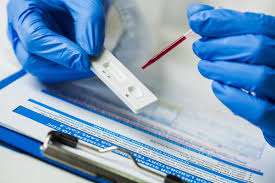
Surgical pathology entails examining tissues removed during surgery to diagnose disease accurately. This integral part of medical practice allows pathologists to provide critical insights following surgical procedures such as tumor removals or biopsies that inform prognosis and therapeutic decisions moving forward!

    < li /> Specimen Evaluation: Surgical pathologists assess all types of specimens handed post-surgery ensuring meticulous identification regarding type cell structure thereby enhancing understanding about investigated case histories involved; this has significant implications regarding patient management!
  • Contributions Towards Prognosis: Careful examinations yield detailed reports outlining histological characteristics relevant malignancies' behavior highlighting factors influencing disease course ultimately impacting clinical paths available patients!
  • Multidisciplinary Collaboration: Outcomes from surgical pathology provide essential data driving conversations among oncologists surgeons playing crucial roles optimizing combined efforts aimed achieving better outcomes taking center stage overall healthcare trajectories witnessed continuously throughout patient's journey!.
< p /> In summary surgical pathology remains cornerstone approach utilizing thorough evaluations alongside collaborative endeavors translating across various fields enhancing overall quality care imparted individuals needing exemplary support received systematically !< / p />

CYTOPATHOLOGY

Cytopathology

Cytopathology focuses on evaluating individual cells obtained from bodily fluids or tissue samples. This branch of pathology plays an essential role in screening for diseases like cancer at early stages through cellular analysis from sites such as pap smears and fine needle aspirates.

  • Purpose & Screening:The primary aim is early detection; cytopathology can catch abnormal cellular changes that warrant further investigation before they develop into serious conditions like malignant cancers.
  • Sample Collection: Samples can be gathered via minimally invasive methods including blood draws or FNAB procedures allowing patients less discomfort while obtaining crucial diagnostic information.
  • Diagnostic Interpretation: Pathologists examine prepared slides looking for morphological changes indicating disease presence providing concise reports directed toward clinical management decisions.
  • Impacting Treatment: Besides aiding initial diagnostics cytopathological findings often establish follow-up protocols guiding clinicians toward appropriate interventions based upon individual patient cases.

Overall cytopathology serves not only diagnosing existing concerns but also functionally supporting preventive healthcare measures through screening programs aiding communities effectively over time .

MOLECULAR TESTING
Molecular Testing

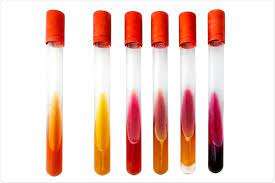
Molecular testing refers to various laboratory techniques used to analyze genes and genetic material in cells. This testing has become increasingly important for diagnosing genetic disorders and informing personalized medicine approaches in oncology and rare diseases.

  • Usage Contexts: Physicians may order molecular testing when there’s suspicion of genetic mutations affecting patient health or treatment efficacy, such as with certain cancers like lung cancer or breast cancer.
  • Disease Detection: Techniques include PCR (Polymerase Chain Reaction), sequencing, or FISH (Fluorescence In Situ Hybridization), each helping identify specific genetic alterations linked to various conditions.
  • Treatment Strategies: The outcome guides targeted therapies aimed at specific molecular markers rather than employing traditional broad-spectrum approaches, enhancing treatment effectiveness while minimizing side effects.

Molecular testing represents an essential advancement in pathology by enabling more precise diagnoses and personalized therapeutic interventions tailored uniquely for each patient’s needs.

IMMUNOHISTOCHEMISTRY
Immunohistochemistry

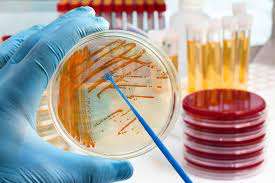
Immunohistochemistry (IHC) is an advanced technique employed to detect specific antigens in cells within tissue sections. This method uses antibodies to visualize proteins, providing valuable information about cell types and states within tissues.

  • Symptoms/Indications: IHC plays a pivotal role when diagnosing cancers and determining their subtypes based on protein expression profiles.
  • Diagnosis: Tissue samples are treated with specific antibodies; positive staining indicates the presence of certain markers associated with particular diseases.
  • Treatment Implications: Results influence treatment decisions, such as choosing appropriate chemotherapy agents tailored to the tumor's characteristics based on antigen expression levels.
  • Evaluation Process: Pathologists analyze stained slides using microscopy techniques to formulate diagnostic reports that aid oncologists in patient care planning.

This innovative approach enhances the understanding of complex tumors while significantly impacting therapy choices and outcomes for patients diagnosed with cancerous conditions.

HISTOPATHOLOGICAL EXAMINATION
Histopathological Examination

A histopathological examination is critical in diagnosing various diseases by studying tissue samples under a microscope. This technique allows specialists to identify abnormalities at the cellular level, which informs treatment plans and patient management strategies.

  • Symptoms/Causes: Indications for this examination might include unexplained growths or symptoms that suggest underlying diseases such as cancer or autoimmune disorders.
  • Diagnosis: The procedure involves preparing tissue sections from biopsies or surgical specimens for microscopic evaluation by trained pathologists.
  • Treatment: Findings from this examination guide subsequent treatment options, including targeted therapies or surgeries depending on the diagnosis.
  • Interpretation: Pathologists provide detailed reports highlighting specific cellular changes that help clinicians understand disease severity and potential progression.

This examination forms an essential part of comprehensive patient care, aiding in accurate diagnosis and effective management of diseases.

FINE NEEDLE ASPIRATION BIOPSY
Fine Needle Aspiration Biopsy

Fine Needle Aspiration Biopsy (FNAB) is a minimally invasive procedure used to investigate lumps or abnormalities in tissues. It involves using a thin, hollow needle to collect samples of cells from the suspicious area for further examination under a microscope.

  • Symptoms: Often, FNAB is performed on lumps that may be felt during a physical exam or seen in imaging tests.
  • Diagnosis: The procedure helps pathologists diagnose conditions such as infections, cysts, or tumors by analyzing the extracted cells.
  • Treatment: Depending on the findings, treatment can range from monitoring the condition closely to surgical intervention if cancerous cells are detected.
  • Procedure: The process typically takes only a few minutes and is done with local anesthetic; most patients experience minimal discomfort.
  • Results: Patients usually receive results within a few days to a week, facilitating timely decision-making regarding any necessary treatments.

In essence, FNAB is often a key step towards understanding and managing health concerns effectively.


FAQs

How does cytopathology assist my doctor with diagnosis?
Cytopathology offers your physician vital information about cell morphology aiding accurate diagnosis often leading swift interventions once abnormalities become apparent thereby promoting timely actions.
...what factors determine whether I need molecular testing?
Factors guiding molecular testing often include family history & presence aggressive features noticeable through previous investigations reflecting potential hereditary impacts necessitating exploration towards establishing concrete conclusions!
Will I need additional tests after my biopsy?
. Depending on your biopsy findings, Dr. Vashistha may recommend further tests such as imaging studies or additional biopsies for comprehensive assessment.
What types of cancers can be detected by immunohistochemistry?
Immunohistochemistry is highly effective in identifying several types of cancers such as breast cancer, lung cancer, lymphomas & more through specific antigen detection.
Is there any downtime after undergoing fine needle aspiration?
Generally, there's minimal downtime after fine needle aspiration. Most patients can resume normal activities shortly after the procedure; however, some mild bruising may occur at the injection site.
How long will it take to get my test results?
Test results typically take between three to seven days. Dr. Vashistha ensures that all results are reviewed thoroughly before discussing them with you during your follow-up visit.
What should I expect during my biopsy appointment?
During your biopsy appointment with Dr. Aakash Vashistha in Achalpur, you can expect a brief discussion about the procedure followed by local anesthesia to minimize discomfort. The process typically takes just a few minutes.