
Dr. Yuvraj Singh Chauhan
About Me
Dr. Yuvraj Singh Chauhan
MD
Pathologist
10 Years Experience
Biography
My Clinic
OPD Hours
| Monday | Morning | 10:00 AM | - | 02:00 PM |
| Evening | 06:00 PM | - | 09:00 PM | |
| Tuesday | Morning | 10:00 AM | - | 02:00 PM |
| Evening | 06:00 PM | - | 09:00 PM | |
| Wednesday | Morning | 10:00 AM | - | 02:00 PM |
| Evening | 06:00 PM | - | 09:00 PM | |
| Thursday | Morning | 10:00 AM | - | 02:00 PM |
| Evening | 06:00 PM | - | 09:00 PM | |
| Friday | Morning | 10:00 AM | - | 02:00 PM |
| Evening | 06:00 PM | - | 09:00 PM | |
| Saturday | Morning | 10:00 AM | - | 02:00 PM |
| Evening | 06:00 PM | - | 09:00 PM | |
| Sunday | Morning | 10:00 AM | - | 02:00 PM |
| Evening | 06:00 PM | - | 09:00 PM |
Services
Specialised care and treatments offered
INFECTIOUS DISEASES DIAGNOSIS
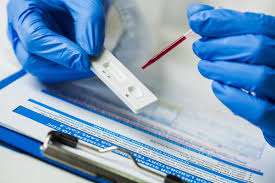
The diagnosis of infectious diseases entails identifying pathogens responsible for various illnesses. A thorough understanding aids effective treatment planning aimed at controlling spread and recovering health efficiently.
to include precise information including:- Symptoms: Symptoms vary widely including fever,sweats,and localized pain among others;recognizing these signs quickly promotes timely evaluation.
- Causes: < / rich-text-tag > Many infectious agents exist;these can stem from bacteria , viruses,fungi ,or parasites based on environmental exposures along with personal circumstances .
- < Diagnosis : < / shape-tag > Diagnosis generally relies predominantly upon laboratory testing techniques focused toward isolating specific microbes responsible .
< Treatment: The treatment frequently incorporates antibiotics or antivirals specifically targeting identified pathogens .
<< What To Expect : < / structure-tag > Following appropriate treatments patients are expected gradually recover normal function while experiencing reduced risk illness transmission within communities .< / structure-tag >
THYROID DISORDERS
Thyroid disorders impact your body's metabolism due to abnormal hormone production. Identifying these disorders early allows for better health outcomes through timely intervention.
- Symptoms:This might include unexpected weight gain or loss, fatigue, and sensitivity changes towards temperature.
- Causes:A range of factors may cause thyroid issues—including autoimmune diseases like Graves' Disease or Hashimoto's Thyroiditis.
- Diagnosis:A simple blood test assessing thyroid hormone levels can determine thyroid function accurately.
- Treatment:The treatment modalities could range from medication treatments, radiation therapy, or even surgical options depending on specific diagnoses.
- What to Expect:If properly managed through appropriate therapies, patients often notice substantial improvement in their symptoms over time; regular monitoring remains crucial throughout this process.
The key lies in working closely with healthcare professionals who specialize in thyroid disorders for optimal results moving forward.
ANEMIA

Anemia occurs when there are insufficient healthy red blood cells to carry adequate oxygen throughout the body. This common condition can significantly affect daily life if not addressed promptly.
- Symptoms: Individuals may experience weakness, pale skin, and shortness of breath during exertion;
The importance of consulting with healthcare providers for tailored treatment plans cannot be overstated in successfully overcoming anemia challenges.
DIABETES MELLITUS

Diabetes Mellitus is a chronic condition characterized by high blood glucose levels due to insulin resistance. Understanding its management is critical for preventing complications.
- Symptoms: Common symptoms include increased thirst, frequent urination, and extreme fatigue.
- Causes: Type 1 diabetes is primarily genetic, whereas Type 2 is influenced by lifestyle factors such as obesity and inactivity.
- Diagnosis: Diagnosis typically involves fasting blood sugar tests or an HbA1c test to measure average blood glucose over time.
- Treatment: Management strategies may involve dietary changes, physical activity enhancements, insulin therapy or oral medications based on individual needs.
- What to Expect: With dedicated management plans in place, patients can lead fulfilling lives while minimizing risks associated with the condition.
An ongoing partnership with healthcare professionals is essential for successful diabetes management over time.
LIVER DISEASE
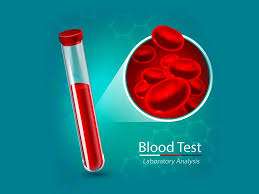
Liver disease encompasses a variety of conditions that affect liver function. Early intervention is vital since the liver plays a crucial role in detoxifying harmful substances.
- Symptoms: Signs may include jaundice, abdominal pain, and unexplained fatigue.
- Causes: Factors contributing include viral infections (like hepatitis), excessive alcohol intake, and fatty liver disease.
- Diagnosis: Imaging tests such as ultrasounds and biopsies are commonly used to evaluate liver health.
- Treatment: Depending on the type of liver disease, treatment options range from medication management to lifestyle modifications or surgical interventions.
- What to Expect: With proper care and monitoring, many patients can manage their symptoms effectively and improve their overall health.
A focused approach tailored to individual needs enhances outcomes for those facing liver disease.
CHRONIC KIDNEY DISEASE (CKD)
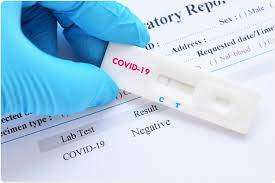
Chronic Kidney Disease is a gradual loss of kidney function over time, often linked to diabetes and high blood pressure. This condition may go unnoticed until significant damage has occurred, making regular screenings essential for early detection.
- Symptoms: Many individuals experience fatigue, swelling in the legs or ankles, and changes in urination patterns.
- Causes: Common causes include uncontrolled diabetes, hypertension, and glomerulonephritis.
- Diagnosis: Blood tests to measure creatinine levels and urine tests can help assess kidney function.
- Treatment: Management often involves lifestyle changes, dietary adjustments, and medications to control underlying conditions.
- What to Expect: Patients can maintain quality of life with appropriate management; however, progression may lead to dialysis or transplant.
Regular follow-ups with a healthcare provider are crucial in managing CKD effectively.