
Dr. A.B Srivastava
About Me
Dr. A.B Srivastava
BDS
Dentist
10 Years Experience
Biography
My Clinic
OPD Hours
| Monday | Morning | 10:00 AM | - | 02:00 PM |
| Evening | 06:00 PM | - | 09:00 PM | |
| Tuesday | Morning | 10:00 AM | - | 02:00 PM |
| Evening | 06:00 PM | - | 09:00 PM | |
| Wednesday | Morning | 10:00 AM | - | 02:00 PM |
| Evening | 06:00 PM | - | 09:00 PM | |
| Thursday | Morning | 10:00 AM | - | 02:00 PM |
| Evening | 06:00 PM | - | 09:00 PM | |
| Friday | Morning | 10:00 AM | - | 02:00 PM |
| Evening | 06:00 PM | - | 09:00 PM | |
| Saturday | Morning | 10:00 AM | - | 02:00 PM |
| Evening | 06:00 PM | - | 09:00 PM | |
| Sunday | Morning | 10:00 AM | - | 02:00 PM |
| Evening | 06:00 PM | - | 09:00 PM |
Treatments
Specialised care and treatments offered
ORTHODONTIC CONSULTATION
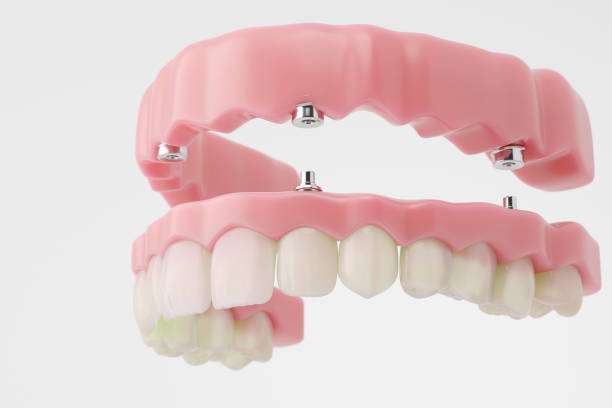
An orthodontic consultation serves as an initial assessment regarding misaligned teeth or jaws. Through this evaluation process patients gain insights into potential corrective strategies available tailored according to individual needs!
- Common Indicators: Diagnostic signs often feature crookedness among individual units alongside bite inconsistencies impacting function & aesthetics .
- Underlying Causes: Genetics play an integral role influencing alignment outcomes along environmental habits (e.g., thumb sucking) causing deviations over time .
- Evaluation Approach: Specialists examine dental structures coupled with radiographic analysis confirming suitable intervention types required based upon severity levels identified .
- Intervention Possibilities: Options span metal braces providing fixed corrections versus invisible aligners offering aesthetic choices !
Visiting periodically ensures optimal progress monitoring promoting healthier smiles every step taken towards ideal occlusion goals !
TOOTH SENSITIVITY TREATMENT
Sensitivity in teeth refers to discomfort experienced when consuming hot or cold substances. This condition may signal underlying dental issues that require attention for effective management
.TEETH WHITENING
Teeth whitening is a cosmetic dental procedure aimed at enhancing the brightness of discolored teeth. Various factors including age, diet, and genetics contribute to tooth discoloration over time.
- Causative Factors: Stains from food and drinks like coffee or wine as well as tobacco use can lead to dull-looking teeth.
- Dental Assessment: A consultation helps determine whether whitening is appropriate based on individual oral health status.
- Treatment Options: Patients may choose from in-office treatments for immediate results or at-home kits for gradual improvement over time.
This non-invasive procedure not only boosts confidence but also enhances overall appearance through improved smile aesthetics. Regular maintenance is recommended for lasting effects on whiteness!
ROOT CANAL THERAPY
This procedure is essential for saving a tooth that has become infected or inflamed in the pulp. Root canal therapy involves removing the compromised pulp tissue to alleviate pain and prevent further complications.
- Pain Symptoms: Severe toothache, prolonged sensitivity to heat or cold can indicate a need for this procedure.
- Causative Factors: Cavities, cracks in teeth, or trauma are common reasons individuals require root canal treatment.
- Diagnosis Procedure: Dentists will conduct a clinical examination along with imaging techniques like X-rays to confirm the diagnosis.
- Treatment Steps: The process includes cleaning out the infected pulp chamber followed by sealing it with gutta-percha material to prevent reinfection.
A successful root canal can allow patients to retain their natural teeth while eliminating discomfort associated with tooth decay infections.
GUM DISEASE
Gum disease, or periodontal disease, is an inflammatory condition affecting the tissues surrounding the teeth. This common issue often stems from plaque buildup but can lead to more serious complications if not addressed promptly.
- Signs: Symptoms include swollen gums, persistent bad breath, and bleeding during brushing or flossing.
- Causes: Poor oral hygiene practices are a major cause; other factors include smoking and hormonal changes.
- Diagnosis: A thorough periodontal examination is conducted to assess gum health and bone loss through X-rays if necessary.
- Treatment options: Treatments range from scaling and root planing to surgical interventions for advanced cases.
If caught early, gum disease can be managed effectively with proper dental care and lifestyle changes.
DENTAL CAVITIES
Dental cavities, also known as caries or tooth decay, are one of the most prevalent dental issues affecting individuals of all ages. They occur when harmful bacteria in the mouth produce acids that erode the hard surface of teeth.
- Symptoms: Common indicators include tooth sensitivity, visible holes in teeth, and pain while eating or drinking.
- Causes: Factors contributing to cavities include poor oral hygiene, frequent consumption of sugary foods, and a lack of fluoride.
- Diagnosis: Dentists typically use visual examinations and dental X-rays to diagnose cavities effectively.
- Treatment options: Management may involve fillings, crowns, or root canals depending on the severity.
- Prevention: Maintaining a good oral hygiene routine and regular check-ups can significantly reduce the risk of cavities.
Taking precautions like brushing twice daily and avoiding high-sugar snacks can help maintain your oral health and prevent cavities.