
Dr. Amish Priyan
About Me
Dr. Amish Priyan
MBBS
Family Physician
10 Years Experience
Biography
My Clinic
OPD Hours
| Monday | Morning | 10:00 AM | - | 02:00 PM |
| Evening | 06:00 PM | - | 09:00 PM | |
| Tuesday | Morning | 10:00 AM | - | 02:00 PM |
| Evening | 06:00 PM | - | 09:00 PM | |
| Wednesday | Morning | 10:00 AM | - | 02:00 PM |
| Evening | 06:00 PM | - | 09:00 PM | |
| Thursday | Morning | 10:00 AM | - | 02:00 PM |
| Evening | 06:00 PM | - | 09:00 PM | |
| Friday | Morning | 10:00 AM | - | 02:00 PM |
| Evening | 06:00 PM | - | 09:00 PM | |
| Saturday | Morning | 10:00 AM | - | 02:00 PM |
| Evening | 06:00 PM | - | 09:00 PM | |
| Sunday | Morning | 10:00 AM | - | 02:00 PM |
| Evening | 06:00 PM | - | 09:00 PM |
Treatments
Specialised care and treatments offered
CHILDHOOD VACCINATIONS

Childhood vaccinations are critical public health measures designed to protect children from various infectious diseases. Adhering to recommended vaccination schedules helps ensure immunity against illnesses that can have serious consequences if contracted at young ages.
- Easily preventable diseases include measles, mumps-rubella (MMR), polio among others—each presenting unique risks ranging from mild irritation to severe complications like hospitalizations.
- Vaccines work by stimulating the immune system's response without causing the disease itself; they're administered at specific intervals throughout infancy into adolescence based on established guidelines.
- Routine visits help keep track of immunization records—providing peace-of-mind knowing vaccine-preventable conditions will not impact your child’s growth milestones negatively!
Engaging parents actively during vaccination discussions fosters better understanding & cooperation regarding these essential preventative measures leading toward healthier futures!
MANAGEMENT OF COMMON COLD
The common cold is an upper respiratory tract infection caused by various viruses. It's highly contagious but usually resolves within a week or two without severe complications if managed appropriately.
- Main symptoms often include a runny nose, sore throat, cough, sneezing, fatigue, and mild fever that could manifest unpredictably during illness peaks.
- No specific test is required; diagnosis relies primarily on clinical evaluation based on reported symptoms from the patient after examination by healthcare providers.
- Treatment focuses on relieving symptoms through adequate hydration, rest, over-the-counter medications like decongestants or pain relievers as needed to enhance comfort during recovery phases.
Catching up on rest while giving time for the immune system to recover plays an integral role in overcoming this widespread ailment efficiently without antibiotics unless secondary infections arise necessitating further treatment options!
PREVENTIVE HEALTH SCREENINGS

Preventive health screenings are essential tools in identifying potential health issues before they escalate into more serious problems. These proactive measures vary by age group but are fundamental for all individuals seeking long-term wellness.
- Screenings may include checks for high cholesterol, diabetes risk assessments, or cancer screenings like mammograms or colonoscopies based on age guidelines.
- Your healthcare provider will guide you on which tests are appropriate depending on personal health history and risk factors.
- The ultimate goal of these screenings is early detection leading to improved outcomes through timely interventions or lifestyle changes.
Engaging in preventive care forms a strong foundation for ongoing health maintenance throughout life stages. Regular discussions about screening needs with your physician ensure you remain well-informed about your health status.
ASTHMA CONTROL
Asthma is a chronic respiratory condition that inflates the airways, causing breathing difficulties. Understanding its triggers and proper management techniques is crucial for maintaining a healthy lifestyle.
- Common symptoms include wheezing, coughing (especially at night), chest tightness, and shortness of breath during physical activity or when exposed to certain allergens.
- A healthcare professional will diagnose asthma typically through a combination of patient history reviews and lung function tests like spirometry.
- Treatment may involve inhalers that contain bronchodilators or anti-inflammatory medications aimed at reducing airway inflammation.
- A personalized action plan can help patients avoid triggers and manage symptoms effectively during an asthma attack.
Lifestyle modifications alongside medication can enhance control over asthma symptoms significantly and improve overall wellbeing.
DIABETES SCREENINGS AND MANAGEMENT
Diabetes is a chronic condition that affects how your body processes glucose. Regular screenings are vital for early detection, especially in individuals at high risk due to factors like obesity or family history.
- The primary symptoms include increased thirst, frequent urination, fatigue, and blurred vision.
- Diagnosis typically involves blood tests such as fasting glucose levels or A1C testing to assess long-term glucose control.
- A comprehensive treatment plan may include dietary adjustments, increased physical activity, and medication management when necessary.
- Understanding carbohydrate counting and blood sugar monitoring can empower patients in managing their diabetes effectively.
- Engaging in regular consultations with healthcare professionals promotes better overall health outcomes for diabetic patients.
Education about the condition is essential for fostering independence and improving quality of life for those affected by diabetes.
HYPERTENSION MANAGEMENT
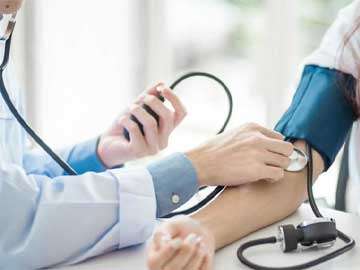
Hypertension, commonly known as high blood pressure, is a significant health concern that can lead to serious complications if left unchecked. It's often referred to as a 'silent killer' because it typically presents no obvious symptoms until severe damage has occurred.
- Symptoms may include headaches, shortness of breath, or nosebleeds, but many individuals do not experience noticeable signs.
- This condition is diagnosed through routine blood pressure measurements during regular check-ups.
- Treatment often involves lifestyle modifications such as diet changes and exercise, along with medications like diuretics or ACE inhibitors.
- Regular monitoring is crucial, and your physician will advise the best management practices for maintaining optimal blood flow and heart function.
- Effective management of hypertension can significantly reduce the risk of heart disease and stroke.
Consistent follow-up and adherence to prescribed lifestyle changes are key to living well with this condition.