
Dr. Anil Mehta
About Me
Dr. Anil Mehta
MBBS
General Physician
10 Years Experience
Biography
My Clinic
OPD Hours
| Monday | Morning | 10:00 AM | - | 02:00 PM |
| Evening | 06:00 PM | - | 09:00 PM | |
| Tuesday | Morning | 10:00 AM | - | 02:00 PM |
| Evening | 06:00 PM | - | 09:00 PM | |
| Wednesday | Morning | 10:00 AM | - | 02:00 PM |
| Evening | 06:00 PM | - | 09:00 PM | |
| Thursday | Morning | 10:00 AM | - | 02:00 PM |
| Evening | 06:00 PM | - | 09:00 PM | |
| Friday | Morning | 10:00 AM | - | 02:00 PM |
| Evening | 06:00 PM | - | 09:00 PM | |
| Saturday | Morning | 10:00 AM | - | 02:00 PM |
| Evening | 06:00 PM | - | 09:00 PM | |
| Sunday | Morning | 10:00 AM | - | 02:00 PM |
| Evening | 06:00 PM | - | 09:00 PM |
Treatments
Specialised care and treatments offered
SEASONAL ALLERGY MANAGEMENT
Seasonal allergies occur due to environmental allergens triggering immune responses among susceptible individuals. Proper management provides relief from bothersome symptoms throughout allergy seasons!
- Common Triggers: Pollen from trees, grasses & weeds represent major contributors leading patients towards experiencing harsh reactions when weather turns favorable each spring/summer.
- Symptoms: Sneezing fits accompanied by itchy eyes/nose/throat create discomfort affecting daily activities unless managed properly!
CHOLESTEROL MANAGEMENT

Miscalculated cholesterol levels contribute significantly to cardiovascular diseases. Managing cholesterol is vital in maintaining heart health throughout life stages.
- Causative Factors: Diets high in saturated fats and sugars coupled with lack of physical activity elevate cholesterol levels dangerously.
- Symptoms: High cholesterol usually presents no direct symptoms but increases the likelihood of heart disease silently over time.
- Diagnosis: A simple blood test known as a lipid panel assesses levels including LDL (bad) and HDL (good) cholesterol.
- Treatment Strategies: Lifestyle modifications such as improved nutrition combined with medication options help reduce harmful cholesterol effectively.
Consistent monitoring paves the way toward preventing long-term complications associated with excessive cholesterol accumulation within arteries.
RESPIRATORY HEALTH EVALUATION

Your respiratory system plays a crucial role in overall well-being. A thorough respiratory health evaluation helps diagnose conditions that can affect breathing and lung function.
- Common Symptoms: Wheezing, chronic coughs, shortness of breath, and chest tightness can indicate underlying issues needing attention.
ANNUAL HEALTH CHECK-UP
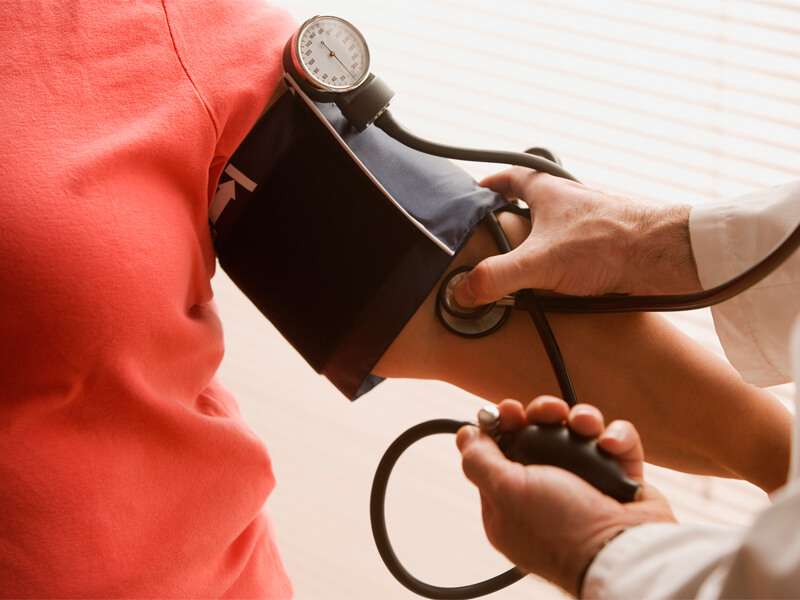
A comprehensive annual health check-up is essential for preventive healthcare. It enables early detection of potential health issues before they become serious concerns.
- Evident Benefits: Regular check-ups can identify risks such as high cholesterol or elevated blood pressure before they develop into critical conditions.
- Cancer Screenings: Depending on age and risk factors, screenings like mammograms or colonoscopies may be recommended during these visits.
- Lifestyle Assessment: A complete evaluation often includes discussions about diet, exercise routines, and stress management strategies tailored to individual needs.
- Vaccinations: Updates on necessary vaccinations are often provided during annual visits to ensure optimal immunity against preventable diseases.
A yearly visit empowers individuals with knowledge about their health status while fostering proactive approaches toward wellness maintenance.
DIABETES SCREENING

Diabetes is a chronic condition characterized by high blood sugar levels, which can lead to various health complications over time. Early detection through regular screenings is vital for managing this condition effectively.
- Causes: Factors include genetics, obesity, sedentary lifestyle, and poor dietary habits.
- Symptoms: Increased thirst, frequent urination, fatigue, and blurred vision are common indicators to watch for.
- Diagnosis: Blood tests like fasting glucose or HbA1c help determine whether an individual has diabetes or prediabetes.
- Treatment: Management typically involves lifestyle changes such as meal planning and physical activity. Some patients may require insulin or other medications to regulate their blood sugar levels.
An early diagnosis allows for better control of the disease and prevention of serious complications related to diabetes.
HYPERTENSION MANAGEMENT

Hypertension, commonly known as high blood pressure, is a significant health issue that can lead to severe complications if left unmanaged. Regular monitoring and lifestyle modifications are essential for effective control.
- Symptoms: Many individuals may experience no symptoms; however, some may notice headaches, shortness of breath, or nosebleeds.
- Diagnosis: Blood pressure is measured using a sphygmomanometer; readings consistently above 130/80 mmHg indicate hypertension.
- Treatment Options: Management includes lifestyle changes such as a balanced diet, exercise, and weight control. Medications like diuretics or ACE inhibitors may also be prescribed.
- Monitoring: Regular check-ups are crucial to assess the effectiveness of the treatment and make necessary adjustments.
With proper management strategies in place, individuals can maintain healthy blood pressure levels and reduce their risk of cardiovascular issues.