
Dr. Arpit
About Me
Dr. Arpit
MBBS
Oncologist
10 Years Experience
Biography
My Clinic
OPD Hours
| Monday | Morning | 10:00 AM | - | 02:00 PM |
| Evening | 06:00 PM | - | 09:00 PM | |
| Tuesday | Morning | 10:00 AM | - | 02:00 PM |
| Evening | 06:00 PM | - | 09:00 PM | |
| Wednesday | Morning | 10:00 AM | - | 02:00 PM |
| Evening | 06:00 PM | - | 09:00 PM | |
| Thursday | Morning | 10:00 AM | - | 02:00 PM |
| Evening | 06:00 PM | - | 09:00 PM | |
| Friday | Morning | 10:00 AM | - | 02:00 PM |
| Evening | 06:00 PM | - | 09:00 PM | |
| Saturday | Morning | 10:00 AM | - | 02:00 PM |
| Evening | 06:00 PM | - | 09:00 PM | |
| Sunday | Morning | 10:00 AM | - | 02:00 PM |
| Evening | 06:00 PM | - | 09:00 PM |
Treatments
Specialised care and treatments offered
HEMATOLOGIC MALIGNANCIES
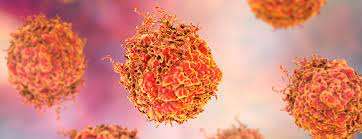
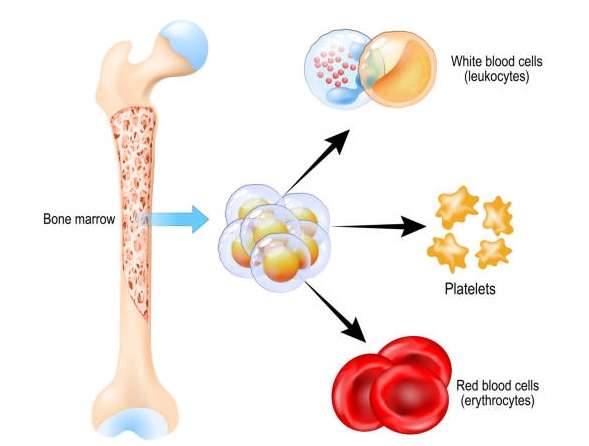
The term hematologic malignancies refers broadly to blood cancers such as leukemia and lymphoma which disrupt normal function across various components involved circulatory responses leading overall health deterioration.'
- Common Symptoms: Patients frequently present diminished energy levels due fatigue swollen lymph nodes unexplained persistent fevers other types atypical indicators disrupting typical daily courses leading counseling needs careful associated considerations regarding lifestyle adjustments support networks established during transitional periods throughout recovery pathways.'
Aiming towards awareness-driven initiatives targeting increased visibility focused outreach materials aim reinforce educational efforts available local facilities thereby fostering supportive environments together drive collaborative pursuit progress invaluable patient experiences shared highlighting resilient spirits enduring struggles seen tackled collaboratively community partnerships formed essential raise profile awareness dynamically evolving fields oncology pursued diligently focused improved outcomes.'
PANCREATIC CANCER
This aggressive form of cancer arises from tissues within the pancreas. It has a reputation for being particularly difficult to diagnose early due to subtle symptoms that mimic other conditions. Being aware of its signs is key to improving outcomes through timely intervention.'
'- '
- ''Symptoms:'' Early warning signs may include abdominal pain radiating to back pain, jaundice—yellowing skin—and significant weight loss without trying.' '
- ' Diagnosis: Imaging techniques ranging from abdominal ultrasounds to MRIs often assist doctors in identifying pancreatic masses along with biopsy assessments confirming malignancy'
Traditional treatments encompass chemotherapy plus radiation aims primarily at controlling symptoms while exploring eligibility criteria for clinical trials targeting innovative therapies designed expressly targeting stubbornly rare cancers like these.'
PROSTATE CANCER

This malignancy forms in the prostate gland and is prevalent among older males. Early detection often leads to better management options available for those diagnosed with prostate cancer.
- Key Symptoms: Patients might notice difficulties during urination or experience pelvic discomfort but these symptoms can vary significantly from person to person.
- Diagnosis: Typically involves blood tests checking levels of prostate-specific antigen (PSA) coupled with digital rectal exams (DRE).
- Treatment Pathways: Depending on stage progression could involve active surveillance versus immediate intervention through radiation or surgery based on individual circumstances
- Ongoing Management: Following successful treatment protocols entails regular check-ups to monitor PSA levels over time ensuring swift action should recurrence arise
Open dialogue regarding effective communication concerning available options remains imperative between healthcare providers and patients alike throughout this challenging chapter
COLORECTAL CANCER
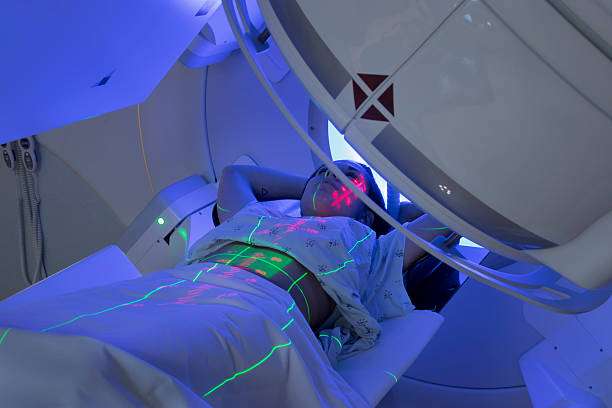
This type of cancer impacts the colon or rectum and begins as benign polyps that can become malignant over time. Colorectal cancer screening is vital as early stages may show no symptoms at all.
- Causal Factors: Risk factors include age over 50, a family history of colorectal cancer, dietary habits high in red meat, and certain genetic conditions.
- Disease Detection: Colonoscopies are commonly used screenings that allow doctors to inspect the colon directly for any abnormalities or signs of cancer.
- Treatment Opportunities: Treatment typically involves surgical resection of tumors; chemotherapy might also be necessary depending on staging results post-surgery.
- Lifestyle Management: Post-treatment care emphasizes nutrition improvement as well as regular exercise aimed at reducing recurrence risks.
The importance of understanding potential risks associated with colorectal health cannot be understated in promoting long-term wellness strategies among patients.
LUNG CANCER
Lung cancer is a serious condition that starts in the lungs' tissues, often linked to smoking but not exclusive to smokers. Understanding lung cancer's risk factors and early symptoms can save lives through prompt diagnosis.
- Symptoms: Persistent cough, unexplained weight loss, chest pain, and coughing up blood are commonly reported symptoms.
- Diagnosis: Physicians typically utilize imaging scans (like CT scans), bronchoscopy, or sputum cytology for accurate diagnosis of lung cancer.
- Treatment Options: Treatment varies by stage and includes surgery, radiation therapy, chemotherapy, or targeted therapies tailored to specific genetic mutations within tumor cells.
- Palliative Care: This approach focuses on improving quality of life and managing symptoms even when curative treatment is not possible.
A proactive approach involving screening for at-risk individuals can facilitate earlier intervention when lung cancer is detected.
BREAST CANCER
Breast cancer is one of the most common cancers affecting women, but it can also occur in men. This type of cancer originates in the cells of the breast, where abnormal cell growth can lead to tumors. Early detection and treatment are crucial for improving outcomes.
- Symptoms: Common signs include lumps in the breast or underarm, changes in breast shape or size, and discharge from the nipple.
- Diagnosis: Healthcare providers may use mammograms, biopsies, and imaging tests to confirm the presence of cancerous cells.
- Treatment: Options may include surgery, chemotherapy, radiation therapy, and hormonal therapy. The specific approach depends on factors like tumor stage and location.
- Management: Regular follow-ups with your healthcare team are essential for monitoring your health post-treatment and addressing any side effects.
- Expectations: Many patients find that a supportive network and access to resources significantly aid their journey through treatment.
Awareness and education about breast cancer can empower individuals to seek timely medical advice and intervention.