
Dr. Ashwani Bagaria
About Me
Dr. Ashwani Bagaria
MS
Orthopaedic Surgeons
10 Years Experience
Biography
My Clinic
OPD Hours
| Monday | Morning | 10:00 AM | - | 02:00 PM |
| Evening | 06:00 PM | - | 09:00 PM | |
| Tuesday | Morning | 10:00 AM | - | 02:00 PM |
| Evening | 06:00 PM | - | 09:00 PM | |
| Wednesday | Morning | 10:00 AM | - | 02:00 PM |
| Evening | 06:00 PM | - | 09:00 PM | |
| Thursday | Morning | 10:00 AM | - | 02:00 PM |
| Evening | 06:00 PM | - | 09:00 PM | |
| Friday | Morning | 10:00 AM | - | 02:00 PM |
| Evening | 06:00 PM | - | 09:00 PM | |
| Saturday | Morning | 10:00 AM | - | 02:00 PM |
| Evening | 06:00 PM | - | 09:00 PM | |
| Sunday | Morning | 10:00 AM | - | 02:00 PM |
| Evening | 06:00 PM | - | 09:00 PM |
Treatments
Specialised care and treatments offered
HERNIATED DISC
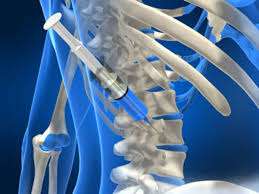
This condition occurs when one of the spine's discs bulges outwards through its outer layer due to wear-and-tear or injury. A herniated disc can cause significant discomfort by pressing on nearby nerves...
ACHILLES TENDON RUPTURE

An Achilles tendon rupture usually occurs during activities requiring sudden starts or stops. This significant injury causes immediate pain at the back of the ankle accompanied by a popping sound upon rupture...
- The patient will likely experience severe pain in addition to swelling along with difficulty walking or pushing off their foot effectively...
- A physical examination combined with ultrasound or MRI imaging confirms diagnosis by revealing tendon integrity...
- Treatment generally includes immobilization via casting or surgery depending on how severe the rupture is...
CARPAL TUNNEL SYNDROME

This condition results from compression of the median nerve within the wrist's carpal tunnel. It often presents over time due to repetitive hand movements or underlying medical issues like diabetes.
- Key symptoms include tingling sensations, numbness in fingers, and weakness when gripping objects.
- A healthcare provider can diagnose this syndrome via physical exams and nerve conduction studies to assess nerve damage...
- Treatment options range from wrist splints and anti-inflammatory medications to possible surgical release of pressure if conservative methods fail.
- Your treatment plan will focus on relieving symptoms while improving hand functionality through monitored rehabilitation exercises post-treatment.
Early intervention enhances recovery prospects significantly!
ROTATOR CUFF INJURY

A rotator cuff injury affects the group of muscles and tendons that stabilize the shoulder joint. Often resulting from repetitive overhead motions or acute injuries, these injuries can significantly hinder shoulder function.
- Patients often report weakness, pain during movement, and a limited range of motion in their shoulder.
- A detailed physical assessment complemented by MRI may be required for accurate diagnosis of the injury's severity.
- Treatment strategies may include physical therapy focusing on strengthening exercises or surgical repair for complete tears.
- Recovery typically involves a structured rehabilitation plan aimed at restoring normal function over time.
Persistent symptoms should be evaluated promptly to avoid chronic conditions.
MENISCUS TEAR

A meniscus tear refers to damage to the cartilage in the knee that cushions and stabilizes the joint. This injury commonly arises from sudden pivots or heavy lifting.
- Common symptoms include pain, swelling, stiffness, and difficulty in bending the knee.
- The diagnosis often involves a thorough clinical evaluation alongside MRI imaging to visualize the tear.
- Treatment can vary; minor tears may heal with rest and physical therapy, while more severe cases might require arthroscopic surgery.
- Patients should anticipate a gradual return to activities following treatment and rehab focused on strengthening.
The key is early diagnosis for optimal recovery outcomes.
FRACTURE CARE

A fracture occurs when a bone is broken, either partially or completely. This condition can happen due to various factors such as trauma, falls, or underlying health issues like osteoporosis.
- Symptoms include severe pain, swelling, bruising, and an inability to use the affected limb.
- Diagnosis typically involves a physical exam and imaging tests like X-rays or CT scans to ascertain the extent of the fracture.
- Treatment options may range from immobilization with a cast to surgical intervention for more severe fractures.
- Post-treatment, patients can expect rehabilitation exercises to restore strength and mobility.
Timely intervention is crucial for effective recovery from fractures.