
Dr. Atharva Sanjay Raut
About Me
Dr. Atharva Sanjay Raut
BDS
Dentist
10 Years Experience
Biography
My Clinic
OPD Hours
| Monday | Morning | 10:00 AM | - | 02:00 PM |
| Evening | 06:00 PM | - | 09:00 PM | |
| Tuesday | Morning | 10:00 AM | - | 02:00 PM |
| Evening | 06:00 PM | - | 09:00 PM | |
| Wednesday | Morning | 10:00 AM | - | 02:00 PM |
| Evening | 06:00 PM | - | 09:00 PM | |
| Thursday | Morning | 10:00 AM | - | 02:00 PM |
| Evening | 06:00 PM | - | 09:00 PM | |
| Friday | Morning | 10:00 AM | - | 02:00 PM |
| Evening | 06:00 PM | - | 09:00 PM | |
| Saturday | Morning | 10:00 AM | - | 02:00 PM |
| Evening | 06:00 PM | - | 09:00 PM | |
| Sunday | Morning | 10:00 AM | - | 02:00 PM |
| Evening | 06:00 PM | - | 09:00 PM |
Treatments
Specialised care and treatments offered
PERIODONTAL THERAPY
Periodontal therapy addresses gum disease—a common condition caused by bacteria affecting tissues surrounding your teeth. Early intervention is key in preventing serious implications like tooth loss due to untreated infections over time.
- Symptoms may include swollen gums, persistent bad breath along with bleeding while brushing/flossing indicating inflammation requiring prompt evaluation
- Diagnosis consists primarily of clinical assessments followed by probing depths checks recording findings pivotal towards designing effective treatment strategies
- Various management approaches exist ranging from deep cleanings (scaling/root planing) aimed at eliminating plaque/tartar build-up enhancing gum health considerably cleanings performed periodically thereafter maintaining upkeep within reason.
- Expect guidance provided which includes personalized homecare routines alongside recommendations facilitating preventive measures (e.g., lifestyle adjustments/diet changes) contributing positively towards overall health outcomes relating back again into oral hygiene practices sustained well beyond routine visits!
Proactive measures help eliminate risks associated with advanced stages while promoting healthier habits benefiting longevity overall!
ORTHODONTIC TREATMENT
Orthodontic treatment aims at correcting misaligned teeth using braces or clear aligners. This intervention not only enhances smile aesthetics but also ensures proper bite alignment which contributes positively towards oral health over time.
- Misalignment may manifest through crooked teeth patterns alongside bite problems impacting chewing efficiency while increasing wear on some areas
- A comprehensive assessment including facial analysis assists in developing tailored plans suited specifically for each patient based on individual requirements
- Diverse options range from traditional metal braces to more discreet solutions like ceramic brackets or invisible aligners accommodating personal preferences throughout therapy duration
- The average treatment period can span several months but varies significantly depending on severity; regular check-ups will track progress ensuring desired results are achieved effectively
Successful orthodontic outcomes contribute greatly towards both function enhancement alongside significant improvements regarding self-esteem associated with even smiles over years ahead!
WISDOM TOOTH EXTRACTION
When wisdom teeth become impacted or misaligned, their extraction becomes necessary. These third molars often lead to pain or overcrowding if they don’t have sufficient room in the jawline when emerging.
- Pain in neighboring teeth or difficulty opening your mouth can signal that wisdom teeth need evaluation for possible extraction
- An oral examination alongside X-rays determines how many wisdom teeth require attention and their positioning within the jawbone structure
- The extraction process usually occurs under local anesthesia; sedation may also be available depending on patient preference and case complexity
- Post-operative care includes managing swelling with ice packs and following prescribed aftercare routines which are crucial for smooth recovery
Taking action sooner rather than later can alleviate complications associated with delayed treatment options for wisdom teeth management.
GUM GRAFTING
Gum grafting is a surgical procedure that aims to restore receded gums. When gum tissue pulls back from teeth, it can expose sensitive roots leading to problems such as decay or sensitivity.
- Common symptoms of gum recession include increased tooth sensitivity, visible roots, and aesthetic concerns regarding smile appearance.
- Dentists diagnose this condition through visual exams and measurement of gum tissue levels relative to healthy standards.
- Treatment may involve taking grafts from healthy areas in your mouth or using donor tissue to cover exposed areas effectively. Pain management during and after surgery is prioritized through anesthesia options.
- Following recovery, it’s essential to adhere strictly to care instructions in order to promote healing without complications like infection or further recession.
This procedure helps protect your teeth while improving your overall oral hygiene and aesthetics over time.
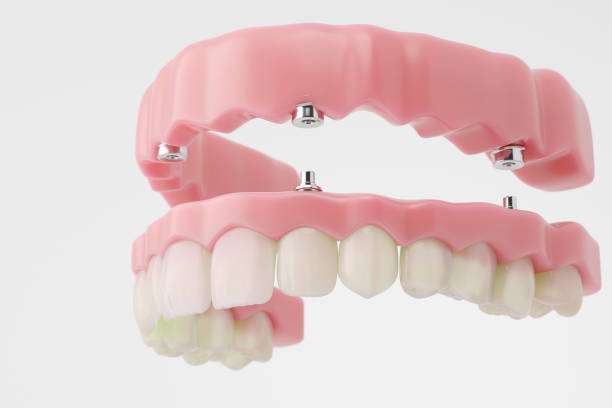
DENTAL IMPLANTS
If you've lost a tooth due to injury or decay, dental implants offer a reliable solution that closely mimics natural teeth. This surgical procedure involves placing a titanium post into the jawbone, which acts as an anchor for replacement teeth.
- The underlying causes of tooth loss can vary from periodontal disease to trauma; determining these factors is essential for successful implantation.
- A thorough examination including X-rays will help in assessing bone density and identifying potential issues related to implant placement.
- After surgery, healing time typically spans several months as the implant integrates with the bone before affixing custom crowns on top.
- Expect ongoing maintenance similar to natural teeth—regular brushing, flossing, and dental check-ups are vital for long-term success.
This option not only restores functionality but also enhances appearance and confidence.
ROOT CANAL TREATMENT
Root canal treatment is a dental procedure aimed at saving a tooth that is badly decayed or infected. This process involves the removal of the pulp—the nerve and blood supply of the tooth—and sealing it to prevent further issues.
- Symptoms indicating the need for this treatment may include severe toothache, prolonged sensitivity to hot or cold, and swelling around the gum.
- Diagnosis typically involves clinical examinations and imaging techniques such as X-rays to confirm the extent of damage.
- Treatment options often include local anesthesia for pain management, followed by cleaning out the infected area, disinfection, and filling the space with a rubber-like material.
- Post-treatment care generally requires follow-up visits to ensure healing and assess any potential complications.
This procedure can relieve discomfort and save your tooth from extraction, allowing you to maintain your natural smile.