
Dr. Avinash Kumar i
About Me
Dr. Avinash Kumar i
MBBS
Oncologist
10 Years Experience
Biography
My Clinic
OPD Hours
| Monday | Morning | 10:00 AM | - | 02:00 PM |
| Evening | 06:00 PM | - | 09:00 PM | |
| Tuesday | Morning | 10:00 AM | - | 02:00 PM |
| Evening | 06:00 PM | - | 09:00 PM | |
| Wednesday | Morning | 10:00 AM | - | 02:00 PM |
| Evening | 06:00 PM | - | 09:00 PM | |
| Thursday | Morning | 10:00 AM | - | 02:00 PM |
| Evening | 06:00 PM | - | 09:00 PM | |
| Friday | Morning | 10:00 AM | - | 02:00 PM |
| Evening | 06:00 PM | - | 09:00 PM | |
| Saturday | Morning | 10:00 AM | - | 02:00 PM |
| Evening | 06:00 PM | - | 09:00 PM | |
| Sunday | Morning | 10:00 AM | - | 02:00 PM |
| Evening | 06:00 PM | - | 09:00 PM |
Treatments
Specialised care and treatments offered
PANCREATIC CANCER
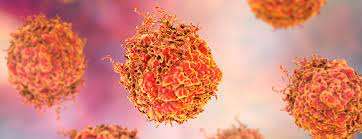
Packing complexity within its mechanism , pancreatic cancer tends toward late discovery largely attributable towards vague preliminary signs which further entrench burdens faced daily . It's recognized by abnormal cellular growth situated primarily around pancreas organ causing potential functional compromises severely impacting digestion process .
- Symptoms exhibit non-specificity manifesting chiefly via jaundice (yellow coloration ), abdominal pain radiating back directionally coupled alongside sudden weight reductions possibly steering engagement wanton appetite decline effects created );
- Diagnostic methods revolve chiefly around imaging modalities (CT/MRI ) during exploratory surgical interventions adopted confirming presence tumors located accurately concomitant suggesting nature surrounding malfunctioning organs encompassing biliary ducts involved frequently ;
- Treatment designs typically incorporate combinations involving surgical resection targeting isolated sections complemented thereafter relentlessly onwards systemic chemotherapy influencing wider reach impact tackling remaining malignant presence during course further ongoing supervision required post-treatment monitoring closely;
Proactive efforts necessitate awareness subtleties surrounding risks coupled ensuring proper screening carries great importance correlating prospective health outcomes positively given respective periods prior evolving state addressed fully thus correlating knowledge gleaned effectively guiding resolutions considered aptly .
ACUTE MYELOID LEUKEMIA (AML)
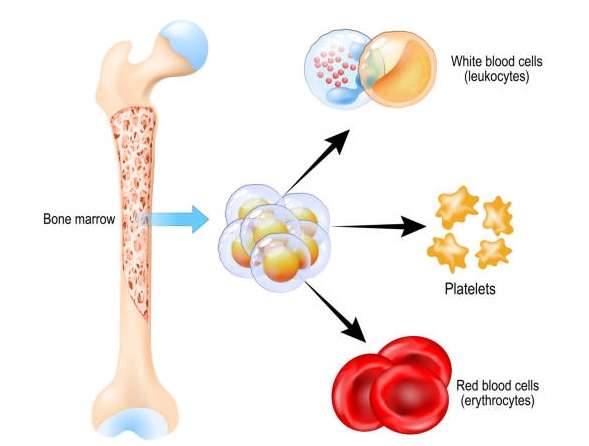
This aggressive form of leukemia arises when bone marrow produces an excessive number of immature white blood cells—blasts—that fail to function properly. Recognizing AML's rapid onset allows timely intervention needed for improving survival chances among patients diagnosed with it!
- Common presentations include fatigue due to anemia levels dropping sharply alongside frequent infections owing directly from reduced healthy white blood cell counts;
- Painless bruising or bleeding could signify underlying concerns related directly back towards blood clotting issues caused by disease progression;
- Diagnosis necessitates blood tests indicating elevated blast counts along with bone marrow analysis providing definitive confirmation;
- Treatment frequently involves intensive chemotherapy protocols meant to induce remission followed potentially by stem cell transplants if necessary afterward ;
Rapid action generates promising avenues leading towards recovery paths where patient quality inherently becomes priority ensuring holistic healthcare practices throughout therapies administered .
HODGKIN'S LYMPHOMA

A subtype of lymphoma characterized by specific Reed-Sternberg cells within lymphatic tissues manifests predominantly through swollen lymph nodes. Understanding this malignancy requires insight into its distinct pathology while addressing potential symptoms promptly aids in successful outcomes.
- Main symptoms consist of painless swelling in lymph nodes usually found in the neck or armpits, recurrent fevers without infection causes, night sweats leading to significant discomfort, and unexplained weight loss over time.
- The diagnosis hinges on lymph node biopsies along with advanced imaging techniques like PET scans that reveal spread patterns within body systems.
- Treatment strategies generally encompass chemotherapy regimens combined with potential radiation efforts focused specifically on affected regions based on staging evaluations conducted previously.
An individualized management plan ensures optimal therapeutic success rates while also focusing on maintaining patients' overall well-being during treatment cycles. Early recognition is vital for better prognostics!
COLORECTAL CANCER
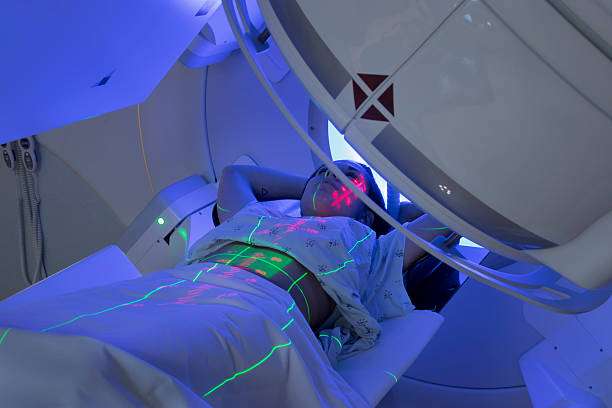
This type of cancer affects the colon or rectum and often begins as small polyps that can become malignant over time. It is crucial for individuals to understand risk factors such as age, family history, diet choices, and lifestyle habits that could lead to its development.
- Patients may experience symptoms such as changes in bowel habits, abdominal discomfort or bloating, blood in stool, fatigue from anemia due to bleeding.
- Differentiating colorectal cancer typically requires various diagnostic methods including colonoscopy and stool tests alongside imaging studies like CT scans.
- Treatment approaches consist mainly of surgery combined with chemotherapy or radiation based on the tumor’s progression status.
- A personalized approach ensures that each patient receives the most appropriate care strategy according to their specific needs following diagnosis.
Timely screening plays a pivotal role in reducing risk by catching potential cancers early; regular check-ups are strongly recommended.
LUNG CANCER
Lung cancer occurs when irregular cell growth takes place in lung tissues and is often associated with smoking. This type of cancer is notorious for being diagnosed at later stages due to subtle initial symptoms. Awareness of risk factors can significantly influence prevention strategies.
- Common signs include persistent cough, coughing up blood, breathlessness, unexplained weight loss, and chest pain that worsens over time.
- Diagnosis often involves imaging tests like X-rays, CT scans, and confirming findings through biopsy techniques such as bronchoscopy.
- Treatment may comprise a combination of surgical procedures, chemotherapy regimens, and radiation therapy tailored to the patient's condition stage.
- The overall management plan will incorporate supportive measures to improve quality of life during treatment phases.
Pursuing a medical evaluation upon noticing symptoms can lead to more favorable results from treatment interventions.
BREAST CANCER
Breast cancer is one of the most common types of cancer among women, although men can also be affected. It develops when cells in the breast begin to grow uncontrollably, forming a tumor that can be felt as a lump. Early detection is crucial for effective treatment.
- Symptoms may include lumps in the breast or underarm, changes in breast shape or size, skin dimpling, and discharge from the nipple.
- This condition can be diagnosed through mammograms, ultrasound imaging, biopsies, and physical examinations.
- Treatment options vary and may involve surgery, radiation therapy, chemotherapy, and targeted drug therapies.
- Management might include hormone therapy depending on the specific type of breast cancer identified.
- Patients can expect a thorough care plan tailored to their unique circumstances along with regular follow-ups.
Understanding this disease is vital for early intervention and better recovery outcomes. Regular screenings are essential for timely diagnosis.