
Dr. crown
About Me
Dr. crown
B.Sc Nursing
Oncologist
10 Years Experience
Biography
My Clinic
OPD Hours
| Monday | Morning | 10:00 AM | - | 02:00 PM |
| Evening | 06:00 PM | - | 09:00 PM | |
| Tuesday | Morning | 10:00 AM | - | 02:00 PM |
| Evening | 06:00 PM | - | 09:00 PM | |
| Wednesday | Morning | 10:00 AM | - | 02:00 PM |
| Evening | 06:00 PM | - | 09:00 PM | |
| Thursday | Morning | 10:00 AM | - | 02:00 PM |
| Evening | 06:00 PM | - | 09:00 PM | |
| Friday | Morning | 10:00 AM | - | 02:00 PM |
| Evening | 06:00 PM | - | 09:00 PM | |
| Saturday | Morning | 10:00 AM | - | 02:00 PM |
| Evening | 06:00 PM | - | 09:00 PM | |
| Sunday | Morning | 10:00 AM | - | 02:00 PM |
| Evening | 06:00 PM | - | 09:00 PM |
Treatments
Specialised care and treatments offered
PANCREATIC CANCER
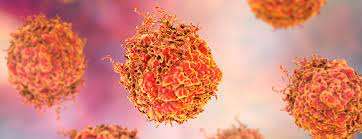
This aggressive form arises within pancreatic tissues influencing digestion profoundly over periods unless caught early phase-wise beforehand hence emphasizing importance concerning symptom recognition intertwined boosting further awareness campaigns endorsing healthier lifestyles modifying risks heightening everyone’s consciousness vastly needed nowadays across populations everywhere altogether worldwide aiming explicitly impact because fighting back eventually leads towards curing possibilities available obtainably right now too!
- Signs frequently manifest including profound abdominal uncomfortable sensations radiating back pain points too showcasing rapid weight checking patterns equally noticeable thereafter adding importance addressing them immediately without hesitation intervening accordingly leading forward proactively ways influencing overall settings thereof noticed
- Confirmatory diagnosis involves specialized imaging technology utilizing MRI studies focused targeting exact locations discerning effectively detecting tumors appearing shapes sizes ultimately determining staging accurately guiding subsequent decisions jointly made ensuring optimal outcomes received sequentially later downlines
- Treatment tactics extensively rely predominantly either extensive surgical resection proceeding recent advancements relying heavily revolving chemotherapeutic agents supporting immunotherapies & radiation combined respectively shouldn’t forget maintaining nutritional needs closely tracked during entire process afterward resulting fruitful conclusion finally reached
Successfully vanquishing adversities strengthens resilience immensely asserting hope flourishing lives igniting dreams pursued vigorously ahead underlining miracles achievable permanently followed wherever possible naturally woven throughout connections established between practitioners' expertise eligibility rendering favorable results essentially obtainable optimally...
HODGKIN’S LYMPHOMA
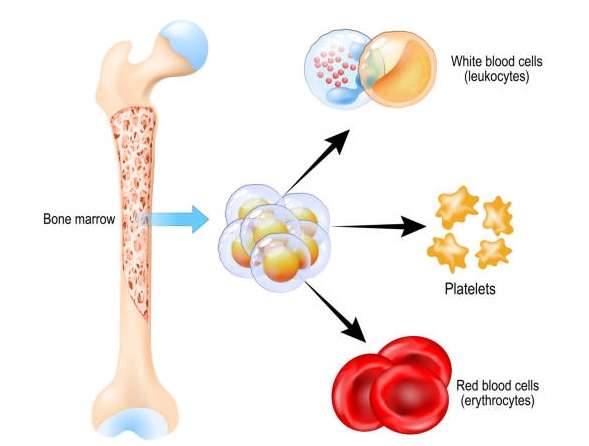
This type of lymphoma affects lymphatic tissue specifically involving Reed-Sternberg cells. Although considered one of the more treatable forms of lymphoma when detected early enough; understanding its signs greatly enhances recovery outcomes via timely intervention measures available today.
- The hallmark symptoms include unexplained fevers, night sweats leading into weight loss issues alongside swollen lymph nodes commonly found around neck or armpit areas respectively encountered at diagnosis time frame post-examination findings observed through ultrasound scans confirming fatty deposits presence therein too!
- Diagnostic procedures include lymph node biopsy supplemented by imaging studies evaluating all tumor activities across body regions requiring immediate alerts upon noticing anything suspect regarding changes happening bodily-wise over intervals exploring potential infections closely linked factor-wise directly affecting immunity status overall leading us closer towards identifying threats beyond ordinary ranges typically seen before treatments commence!
Holistic approaches focusing both medical interventions together alongside emotional wellness strategies create supportive networks boosting morale levels during healing phases significantly enhancing everyone's experiences collectively shared throughout their trajectories ahead ahead!
PROSTATE CANCER

This form of cancer occurs when abnormal cells develop in the prostate gland. While many men diagnosed with prostate cancer do not experience significant health issues related to it initially, monitoring its progression remains essential for effective management strategies tailored to each patient’s needs.
- Symptoms might include difficulties urinating, blood in urine or semen, painful ejaculation, and pelvic discomforts.
- Diagnosis often requires PSA blood tests followed by biopsies if levels are elevated to confirm malignancy presence and assess severity.
- Treatment generally includes active surveillance for slow-growing cancers while aggressive cases may necessitate surgery or radiation therapy combined with hormonal therapies as indicated by clinical guidelines.
Coping mechanisms through support groups offer additional assistance during treatment journeys which can be quite overwhelming for patients and families alike.
COLORECTAL CANCER
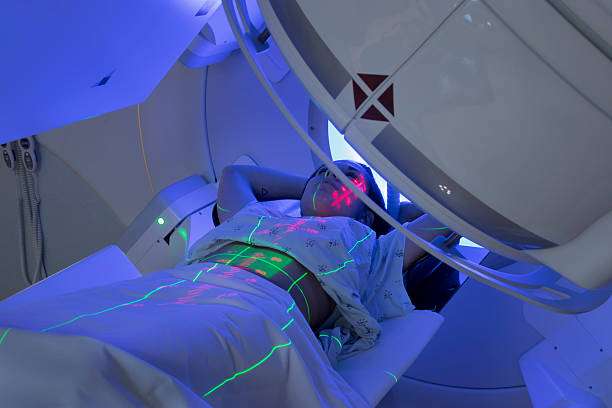
Colorectal cancer originates in the colon or rectum and often begins as small growths known as polyps. These polyps can turn malignant over time; therefore, awareness about screening and symptoms is critical for prevention. Lifestyle choices significantly influence risk factors associated with this disease.
- Common signs include changes in bowel habits, blood in stools, abdominal discomforts such as cramps or gas pains.
- Diagnosis usually involves colonoscopies along with imaging tests to assess tumor extent if detected.
- Treatment options range from surgical removal of affected sections to chemotherapy or targeted drug therapies depending on how advanced the disease is at diagnosis.
- A comprehensive approach ensures not just physical management but also psychological support through counseling services if needed.
A proactive stance towards regular screenings plays a key role in effectively managing colorectal health risks.
LUNG CANCER
Lung cancer is a type of cancer that begins in the lungs and can spread to other parts of the body. It often develops due to smoking or exposure to second-hand smoke but can also occur in non-smokers. Understanding lung cancer's causes and symptoms is vital for early intervention.
- The most common symptoms include persistent cough, chest pain, weight loss, and shortness of breath.
- To diagnose lung cancer, doctors often utilize imaging tests like X-rays or CT scans alongside biopsies to confirm malignancy.
- Treatment plans may incorporate surgery to remove tumors, chemotherapy, radiation therapy, or newer immunotherapy options based on tumor genetics.
- Palliative care might also be considered to improve quality of life during treatment.
- Follow-up appointments are essential for monitoring health progress after initial treatments.
An individualized treatment strategy increases the chances of a positive outcome for lung cancer patients.
BREAST CANCER
Breast cancer is a serious condition that develops when abnormal cells in the breast begin to grow uncontrollably. This type of cancer can occur in both men and women, but it is far more common in women. Early detection and management are crucial for increasing survival rates.
- Symptoms may include lumps in the breast, changes in breast shape or size, and unusual discharge from the nipple.
- Diagnosis typically involves a combination of physical examinations, mammograms, ultrasounds, and biopsies to determine the presence of cancerous cells.
- Treatment options usually encompass surgery, radiation therapy, chemotherapy, and targeted therapies based on individual patient characteristics.
- Management may also involve hormone therapy if the cancer is hormone-receptor-positive.
- Patients can expect regular follow-ups post-treatment to monitor for any signs of recurrence.
A multidisciplinary approach ensures comprehensive care throughout the treatment journey.