
Dr. Dental Clinic
About Me
Dr. Dental Clinic
BDS
Dentist
10 Years Experience
Biography
My Clinic
OPD Hours
| Monday | Morning | 10:00 AM | - | 02:00 PM |
| Evening | 06:00 PM | - | 09:00 PM | |
| Tuesday | Morning | 10:00 AM | - | 02:00 PM |
| Evening | 06:00 PM | - | 09:00 PM | |
| Wednesday | Morning | 10:00 AM | - | 02:00 PM |
| Evening | 06:00 PM | - | 09:00 PM | |
| Thursday | Morning | 10:00 AM | - | 02:00 PM |
| Evening | 06:00 PM | - | 09:00 PM | |
| Friday | Morning | 10:00 AM | - | 02:00 PM |
| Evening | 06:00 PM | - | 09:00 PM | |
| Saturday | Morning | 10:00 AM | - | 02:00 PM |
| Evening | 06:00 PM | - | 09:00 PM | |
| Sunday | Morning | 10:00 AM | - | 02:00 PM |
| Evening | 06:00 PM | - | 09:00 PM |
Treatments
Specialised care and treatments offered
ORTHODONTIC SURGERY
This specialized surgical approach aims at correcting skeletal irregularities within jaws leading either class discrepancies possible impacting bite alignment significantly among patients facing challenges involving malocclusions requiring advanced interventions beyond traditional braces alone!
VENEERS
Dental veneers offer a cosmetic enhancement option designed to improve appearance by covering imperfections on front teeth. These thin shells made from porcelain or composite resin provide both aesthetic appeal and strength when bonded properly onto existing enamel surfaces.
PERIODONTAL SURGERY
Periodontal surgery addresses advanced gum disease where non-surgical treatments have not been successful. This type of surgery helps restore healthy gums while saving supporting structures around teeth.
- Signs indicating surgical intervention might include swollen gums, persistent bad breath, or loose teeth due to periodontal pockets forming around roots
- A complete clinical evaluation along with gum measurements is performed before deciding on surgery as an appropriate treatment pathway.
Techniques like flap surgery allow access beneath gum tissue for effective cleaning; regenerative procedures can help rebuild lost bone/tissue as well.
Close monitoring promotes healing while ensuring ongoing gum health without further complications over time.
WISDOM TOOTH EXTRACTION
The extraction of wisdom teeth is a common dental procedure performed when these third molars become impacted or cause other dental issues. Given their location at the back of the mouth, they can lead to pain or crowding in some cases.
- Common signs requiring extraction include pain, infection, swelling around gums, and difficulty opening your mouth fully due to pressure from these molars.
- A thorough assessment using radiographs determines whether extraction is necessary based on impaction type (partial or full).
- The procedure generally involves surgery under local anesthesia; recovery times vary but usually range from several days depending on complexity.
- Pain management post-surgery is critical; patients may receive instructions regarding medication and diet adjustments during recovery.
- Regular follow-ups are advised to monitor healing progress and address any post-operative concerns effectively.
This safe surgical option aims to eliminate potential future complications related to wisdom teeth growth.
DENTAL IMPLANTS
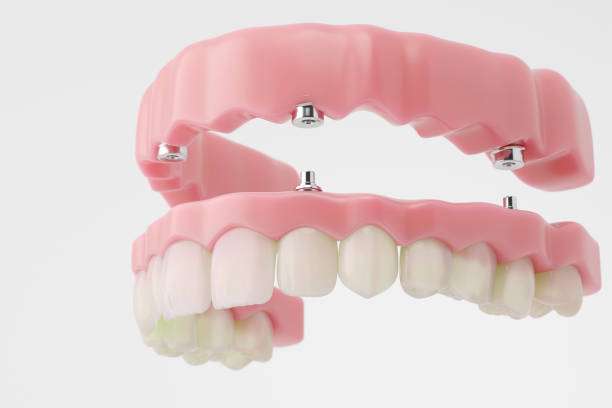
Dental implants are an innovative solution for replacing missing teeth. They consist of titanium posts that are surgically placed in the jawbone, serving as artificial roots for new teeth.
- Missing teeth can lead to shifting of adjacent teeth, difficulty in chewing, and altered speech; thus, addressing these loss symptoms is crucial for overall dental health.
- The process begins with a detailed evaluation, including imaging studies to ensure sufficient bone structure for placement.
- Surgery involves placing the implant into the jawbone; over several months, it fuses with bone through a process called osseointegration.
- Once healed, a crown is attached to restore both function and aesthetics. Patients can expect results that look and feel natural.
- Caring for dental implants requires regular oral hygiene practices similar to caring for natural teeth, ensuring longevity and function over time.
This permanent solution can greatly enhance quality of life by restoring functionality and confidence in smile.
ROOT CANAL TREATMENT
Root canal treatment is a dental procedure used to save a tooth that is badly decayed or infected. This treatment involves the removal of the affected pulp within the tooth, which can alleviate pain and prevent further damage.
- Symptoms such as severe toothache, prolonged sensitivity to hot or cold, discolored tooth, and swollen gums may indicate the need for this procedure.
- A thorough diagnosis is typically achieved through X-rays and clinical examinations to assess the extent of infection or damage.
- Treatment often includes local anesthesia to ensure comfort, followed by the removal of infected tissue and sealing the tooth with a filling material.
- Post-treatment care usually involves follow-up visits to monitor healing and may include further restorative work like crowns.
- The overall success rate for root canal treatments is high, with most patients experiencing relief from pain and returning to normal function shortly after.
This procedure helps save natural teeth and maintains oral health.