
Dr. harshad raskar
About Me
Dr. harshad raskar
MBBS
Podiatrist
10 Years Experience
Biography
My Clinic
OPD Hours
| Monday | Morning | 10:00 AM | - | 02:00 PM |
| Evening | 06:00 PM | - | 09:00 PM | |
| Tuesday | Morning | 10:00 AM | - | 02:00 PM |
| Evening | 06:00 PM | - | 09:00 PM | |
| Wednesday | Morning | 10:00 AM | - | 02:00 PM |
| Evening | 06:00 PM | - | 09:00 PM | |
| Thursday | Morning | 10:00 AM | - | 02:00 PM |
| Evening | 06:00 PM | - | 09:00 PM | |
| Friday | Morning | 10:00 AM | - | 02:00 PM |
| Evening | 06:00 PM | - | 09:00 PM | |
| Saturday | Morning | 10:00 AM | - | 02:00 PM |
| Evening | 06:00 PM | - | 09:00 PM | |
| Sunday | Morning | 10:00 AM | - | 02:00 PM |
| Evening | 06:00 PM | - | 09:00 PM |
Treatments
Specialised care and treatments offered
DIABETIC FOOT CARE
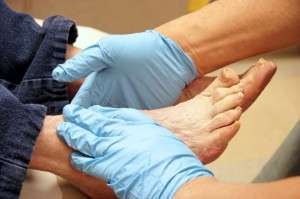
Caring for feet is crucial for individuals living with diabetes due to an increased risk of foot-related complications. Proper monitoring helps prevent serious issues such as ulcers or infections.
- Common Risks: High blood sugar levels can impair circulation/nervous system function leading towards reduced sensitivity making injuries less noticeable.
- Assessment Techniques: Regular check-ups assessing foot condition are critical; routine exams involving checking skin integrity ensure no unnoticed wounds exist!
- Management Practices: Daily inspection/hygiene combined with well-fitted footwear plus diabetic education on managing blood sugars effectively plays a vital role.
- The Importance Of Proactive Care: If caught early enough potentially serious consequences like amputations could be avoided through proactive measures!
If managing diabetes makes maintaining healthy feet concerning but possible—consider engaging healthcare providers who focus specifically on podiatric needs!
MORTON'S NEUROMA
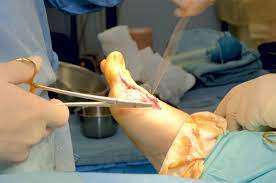
This painful condition affects one of the nerves leading to your toes. Morton's neuroma most frequently occurs between the third and fourth toes when tissue surrounding a nerve thickens due to irritation or injury
- Symptoms: Typically present as sharp burning pain in the ball of your foot that may radiate into your toes; some experience numbness as well.
- Diagnosis: On clinical examination palpation over affected areas elicits symptoms; advanced imaging might be warranted for further evaluation.
- Treatment Options: Non-invasive approaches such as customized orthotics or corticosteroid injections often provide relief before considering surgical routes where necessary.
- What To Expect: Most patients report significant improvements with initial conservative treatments; surgical intervention has favorable outcomes once deemed necessary.
If you're dealing with discomfort between your toes that disrupts daily activities—take action! An early visit may lead towards restoring comfort quickly!
FLAT FEET
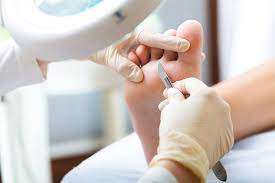
Flat feet occur when arches do not develop as expected. This posture can lead to various problems including discomfort while standing or walking long distances.
- Main Symptoms: Symptoms include tiredness in feet after activity and potential knee/hip pain due to altered body mechanics.
- Disease Diagnosis: Evaluation typically involves examining foot posture while standing and possibly gait analysis for comprehensive assessment.
- Treatment Methods: Management could involve custom orthotics for support, specialized exercises aimed at strengthening foot muscles, and wearing supportive footwear during activity.
- Your Recovery Outlook: Many individuals effectively manage flat feet symptoms without surgery through consistent therapy and lifestyle adjustments;
A detailed assessment will help establish an appropriate management plan tailored specifically for you!
ACHILLES TENDINITIS
This condition involves inflammation of the Achilles tendon, which connects calf muscles to the heel bone. It often arises from overuse or repetitive strain during physical activities.
- Main Symptoms: Commonly presents as pain along the tendon, stiffness in the morning or after resting periods.
- Diagnosis Process: A thorough clinical assessment and possibly imaging studies assist in confirming this condition's diagnosis.
- Treatment Strategies: Resting from aggravating activities, applying ice, physiotherapy exercises for strengthening and flexibility are standard treatment options.
- Your Expectations: Most patients see improvement within weeks with diligent care; chronic cases might necessitate additional treatments like injections or surgery.
If you're experiencing pain in your Achilles area, seeking timely medical advice can aid in quicker recovery and prevent further damage.
BUNIONS
Bunions are bony growths that develop at the base of the big toe due to misalignment of the joint. They can cause discomfort and may interfere with walking properly.
- Symptoms: Symptoms tend to include swelling, redness around the joint, and persistent pain while wearing shoes.
- How It's Diagnosed: Diagnosis involves a physical examination and possibly X-rays to assess structural changes in the bones.
- Treatment Approaches: Treatment often starts with shoe modifications, padding, and anti-inflammatory medications; surgical options are available for severe cases.
- What You Can Expect: Early intervention can help manage symptoms effectively; recovery from bunion surgery may take several weeks to months.
A consultation can help determine if your bunion requires immediate attention or if conservative treatment is sufficient.
PLANTAR FASCIITIS
Plantar fasciitis is a common foot condition that causes pain in the heel and bottom of the foot. This ailment occurs when the plantar fascia, a thick band of tissue connecting your heel bone to your toes, becomes inflamed.
- Symptoms: Often includes sharp pain near the heel, especially with the first steps in the morning or after prolonged sitting.
- Diagnosis: Typically diagnosed through a physical examination and medical history; imaging tests may be used for confirmation.
- Treatment Options: Conservative measures like rest, ice applications, stretching exercises, ortho inserts, and non-steroidal anti-inflammatory drugs (NSAIDs) can be effective.
- What to Expect: With proper care, symptoms usually improve within months; severe cases may require corticosteroid injections or surgery.
If you experience persistent heel pain, it's essential to seek evaluation and address this issue promptly.