
Dr. Jasmine Flora
About Me
Dr. Jasmine Flora
B.P.T
Physiotherapist
10 Years Experience
Biography
My Clinic
OPD Hours
| Monday | Morning | 10:00 AM | - | 02:00 PM |
| Evening | 06:00 PM | - | 09:00 PM | |
| Tuesday | Morning | 10:00 AM | - | 02:00 PM |
| Evening | 06:00 PM | - | 09:00 PM | |
| Wednesday | Morning | 10:00 AM | - | 02:00 PM |
| Evening | 06:00 PM | - | 09:00 PM | |
| Thursday | Morning | 10:00 AM | - | 02:00 PM |
| Evening | 06:00 PM | - | 09:00 PM | |
| Friday | Morning | 10:00 AM | - | 02:00 PM |
| Evening | 06:00 PM | - | 09:00 PM | |
| Saturday | Morning | 10:00 AM | - | 02:00 PM |
| Evening | 06:00 PM | - | 09:00 PM | |
| Sunday | Morning | 10:00 AM | - | 02:00 PM |
| Evening | 06:00 PM | - | 09:00 PM |
Treatments
Specialised care and treatments offered
POST-SURGICAL REHABILITATION
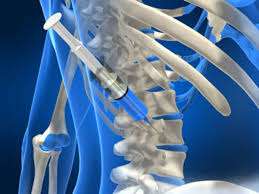
The journey to recovery doesn’t end when surgery does. Post-surgical rehabilitation encompasses a structured program designed specifically around an individual's surgical history aimed at restoring full functionality safely over time.
- < li >< strong >Key focus areas:< / strong > Typically involves range-of-motion restoration followed by gradual strengthening phases tailored per procedure done< li >< strong >Initial evaluation: A comprehensive assessment following surgery informs the therapist about current limitations affecting mobility.< li >< strong >Intervention plans: Include manual therapy combined with therapeutic exercises progressing as tolerated while ensuring safety throughout each stage.< li >< strong >Long-term benefits: A well-structured rehab program minimizes complications enabling quicker returns toward pre-operative levels of activity.& lt;/ li >& lt;/ ul >& lt;p > &
ELECTROTHERAPY
This modality utilizes electrical energy as a therapeutic intervention for various conditions. Electrotherapy can effectively decrease pain perception while stimulating muscle contractions through different forms of current applications.
- Main symptoms treated: Chronic pain conditions such as back pain or knee osteoarthritis are commonly addressed using this method.
ORTHOPEDIC MANUAL THERAPY

This hands-on treatment methodology focuses on manipulating joints and soft tissues to alleviate musculoskeletal pain. Orthopedic manual therapy involves advanced techniques aiming at restoring mobility and function in specific regions of the body.
- Syndromes addressed: Conditions like arthritis, tendonitis, or post-operative stiffness can benefit significantly from this approach.
- Differentiation methods: Diagnosis typically includes physical exams along with imaging studies if needed to pinpoint dysfunctions accurately.
- Treatment components: Techniques include joint mobilization, soft tissue manipulation, and guided exercise protocols tailored for each patient’s conditions.
The goal is not only to address immediate symptoms but also promote long-term functional independence through rehabilitation strategies post-manipulation.
NEUROMUSCULAR RE-EDUCATION

This specialized form of therapy focuses on retraining nerves and muscles to work harmoniously after injury or surgery. Neuromuscular re-education aims to restore balance, strength, and coordination in affected areas.
- Causative factors: It may be necessary following neurological impairments or musculoskeletal injuries that affect gait or posture.
- Assessment: Physiotherapists assess movement patterns and neuromuscular control issues through various tests.
- Treatment strategies: Techniques often incorporate proprioceptive training alongside functional exercises tailored to individual needs.
- Pacing expectations: Progress may vary; typically improvement is noticed gradually as muscle memory develops again.
This approach not only promotes recovery but also prevents future injuries through enhanced body awareness.
KINESIOLOGY TAPING

Kinesiology taping is an innovative treatment approach used in physiotherapy to relieve pain and disability. The flexible tape mimics the skin's elasticity, supporting muscles without restricting their movement.
- Common uses: It is effective for sports injuries, joint instability, and post-surgical rehabilitation.
- Diagnosis: A detailed physical examination identifies areas needing support or pain relief.
- Treatment methods: Taping can be integrated with exercises and other physiotherapy modalities to optimize recovery.
- Pain management: The tape alleviates pressure on pain receptors while supporting muscle function during activity.
Kinesiology taping not only aids in recovery but also enhances performance during physical activities.
DRY NEEDLING

Dry needling is a therapeutic technique used by physiotherapists to treat muscle pain and tension. This method involves inserting fine needles into trigger points, promoting muscle relaxation and improved blood circulation.
- Symptoms: Patients often report localized pain, stiffness, and restricted movement in affected muscles.
- Diagnosis: A thorough clinical assessment helps identify the presence of myofascial trigger points.
- Treatment options: Alongside dry needling, physiotherapy may include manual therapy, stretching exercises, and modalities like heat or cold therapy.
- Expectations: Many patients experience immediate relief post-treatment, although some soreness may occur for a day or two.
This technique is particularly effective for chronic pain and can enhance overall functional mobility.