
Dr. JEBISHA LEWALD
About Me
Dr. JEBISHA LEWALD
MD
Pathologist
10 Years Experience
Biography
My Clinic
OPD Hours
| Monday | Morning | 10:00 AM | - | 02:00 PM |
| Evening | 06:00 PM | - | 09:00 PM | |
| Tuesday | Morning | 10:00 AM | - | 02:00 PM |
| Evening | 06:00 PM | - | 09:00 PM | |
| Wednesday | Morning | 10:00 AM | - | 02:00 PM |
| Evening | 06:00 PM | - | 09:00 PM | |
| Thursday | Morning | 10:00 AM | - | 02:00 PM |
| Evening | 06:00 PM | - | 09:00 PM | |
| Friday | Morning | 10:00 AM | - | 02:00 PM |
| Evening | 06:00 PM | - | 09:00 PM | |
| Saturday | Morning | 10:00 AM | - | 02:00 PM |
| Evening | 06:00 PM | - | 09:00 PM | |
| Sunday | Morning | 10:00 AM | - | 02:00 PM |
| Evening | 06:00 PM | - | 09:00 PM |
Services
Specialised care and treatments offered
HISTOPATHOLOGICAL EXAMINATION
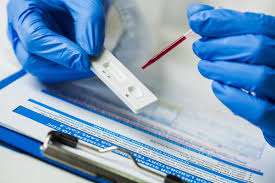
A histopathological examination analyzes tissue specimens obtained through biopsies or surgical resections. This critical assessment enables pathologists to determine whether tissues exhibit signs of disease including malignancies or infections while providing essential guidance for treatment strategies thereafter formulated post-analysis stages consistently implemented leading toward optimized patient-centered care over time cycles observed here!
- Main indications: Abnormal growths requiring characterization involving multiple organs encountered frequently across demographics served! Diagnostic processes: Involves specimen collection followed by fixation methods preserving cellular architecture meticulously leading into sectioning procedures enhancing overall clarity emphasizing key features discernible during microscopic evaluations conducted afterwards regularly maintained! Treatment implications: Results contribute critically informing therapeutic decisions around chemotherapeutic regimens considered individually focusing multitude therapeutic realms anticipated depending upon specimen type encountered? Caring aspects: Patients require educational support throughout these journeys articulating treatment plans accordingly given varying emotional responses seen periodically within clinical settings experienced worldwide achieved together our staff aim nurture transparency fostering open discussions building partnerships strengthening trust prevailing whole atmosphere commit improving lives overall!
URINE CYTOLOGY
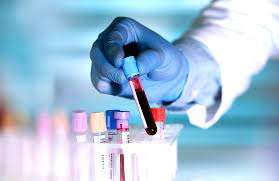
This diagnostic test involves examining urine samples under a microscope to identify abnormal cells that may indicate urinary tract cancers. Urine cytology is particularly useful in early detection and monitoring bladder cancer progression post-treatment.
- Potential indicators necessitating this investigation commonly involve symptoms such as blood in urine (hematuria), painful urination, or persistent lower back pain without explanation.
- The diagnosis typically begins with collecting urine samples followed by preparation techniques that concentrate cellular material for examination under lab settings where trained professionals analyze findings thoroughly with advanced staining techniques enhancing visibility of abnormal structures present within cells themselves if any exist therein as well!
Pursuing urine cytology supports timely intervention efforts aimed at improving outcomes by ensuring appropriate scheduling regarding subsequent diagnostic evaluations directed toward comprehensive management planning employed differentially across patient cases particularly in Achalpur’s diverse population context explored here today...
PAP SMEAR TEST
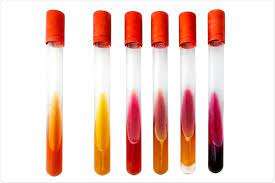
The Pap smear test is an essential screening tool used primarily to detect precancerous changes in cervical cells caused by human papillomavirus (HPV). Regular testing plays a significant role in reducing cervical cancer rates among women worldwide.
- Key symptoms indicating possible cervical issues include unusual vaginal bleeding and pelvic pain; however, many cases present without symptoms initially.
- This test is usually performed during a routine gynecological exam where cells from the cervix are collected using a swab or brush for laboratory analysis.
- If abnormal cells are detected through this screening process, follow-up procedures like colposcopy may be recommended for further evaluation and management options tailored accordingly.
Pap smears are recommended starting at age 21 regardless of sexual activity status; regular screenings contribute significantly toward maintaining reproductive health over time by facilitating early detection strategies actively engaging patients in their health management journey.
FINE NEEDLE ASPIRATION CYTOLOGY (FNAC)
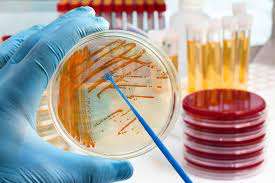
This minimally invasive technique allows clinicians to sample cells from suspicious lumps or masses present in various parts of the body. FNAC is particularly beneficial in guiding further evaluation of thyroid nodules and breast lumps among others.
- The primary indications for FNAC include palpable masses that are concerning due to size or growth characteristics.
- The procedure involves using thin needles guided by ultrasound images when necessary to ensure precise sampling from targeted areas.
- Treatment direction following FNAC results can range from active surveillance to surgical intervention depending on cytology findings.
- Patients typically experience minimal discomfort during this quick outpatient procedure with little downtime afterward; most return to normal activities shortly after completion.
The analysis from FNAC can provide vital information about whether a mass is benign or malignant and aid in determining subsequent steps in management effectively.
BONE MARROW ASPIRATION
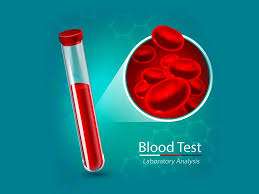
This diagnostic procedure involves extracting bone marrow from the body to assess its health and functionality. It is crucial for diagnosing conditions related to blood cell production such as leukemia or other hematological disorders.
- Common symptoms that may prompt this test include unexplained bruising, frequent infections, or persistent fatigue.
- The process begins with a complete medical history review followed by a physical examination; imaging tests may also be utilized to guide the aspiration site.
- Treatment options depend on diagnosed conditions but may include chemotherapy, radiation therapy, or stem cell transplant.
- The procedure usually takes less than an hour and is performed with local anesthesia; sedation can be offered for added comfort if needed.
- Post-procedure discomfort might occur at the aspiration site, which should gradually improve over time.
A thorough analysis of the bone marrow sample helps determine appropriate interventions and management strategies based on individual patient needs.
LIVER BIOPSY
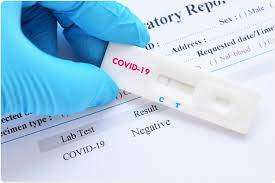
A liver biopsy is a medical procedure that involves taking a small sample of liver tissue for examination under a microscope. This test helps in diagnosing various liver conditions such as hepatitis, cirrhosis, and liver cancer. It is often performed when blood tests indicate potential liver issues or when imaging tests show abnormalities.
- Symptoms of liver disease include jaundice (yellowing of the skin and eyes), fatigue, abdominal swelling, and unexplained weight loss.
- The diagnosis may involve physical exams, blood tests, imaging studies (like ultrasound), and ultimately the biopsy itself.
- Management options can vary; however, they often include treating underlying conditions like viral hepatitis or fatty liver disease.
- During the procedure, patients can expect to lie on their back while local anesthesia is administered. The area is then cleaned before the needle insertion.
- Post-procedure cares typically include monitoring for bleeding or infection at the site of biopsy.
The results can take several days and are essential for formulating an effective treatment plan based on the findings.