
Dr. kapil
About Me
Dr. kapil
MBBS
Pathologist
10 Years Experience
Biography
My Clinic
OPD Hours
| Monday | Morning | 10:00 AM | - | 02:00 PM |
| Evening | 06:00 PM | - | 09:00 PM | |
| Tuesday | Morning | 10:00 AM | - | 02:00 PM |
| Evening | 06:00 PM | - | 09:00 PM | |
| Wednesday | Morning | 10:00 AM | - | 02:00 PM |
| Evening | 06:00 PM | - | 09:00 PM | |
| Thursday | Morning | 10:00 AM | - | 02:00 PM |
| Evening | 06:00 PM | - | 09:00 PM | |
| Friday | Morning | 10:00 AM | - | 02:00 PM |
| Evening | 06:00 PM | - | 09:00 PM | |
| Saturday | Morning | 10:00 AM | - | 02:00 PM |
| Evening | 06:00 PM | - | 09:00 PM | |
| Sunday | Morning | 10:00 AM | - | 02:00 PM |
| Evening | 06:00 PM | - | 09:00 PM |
Services
Specialised care and treatments offered
URINALYSIS
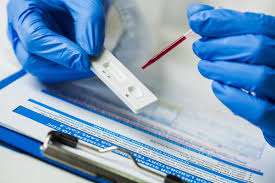
Your urine provides insightful information about your body's health through a urinalysis—an examination performed typically during routine check-ups or when specific symptoms arise. This simple yet informative test focuses on various elements found within urine samples that can reveal underlying conditions.
- Symptoms warranting this analysis could include unusual color changes, foul odor variations along with frequency alterations indicating possible infections or metabolic diseases.
- The diagnosis involves both physical observation and chemical analysis using dipsticks assessing various components such as glucose proteins along with microscopic evaluations if indicated further by initial findings.
- Treatment approaches depend on discovered irregularities; they might involve medications targeting infections dietary adjustments promoting urinary tract health hygiene practices optimizing bladder function etc...
- Results typically emerge swiftly allowing timely responses leading towards improved patient outcomes proactively addressing challenges collaboratively between physicians particularly specialists trained accordingly!
Understanding what your urine indicates forms part of taking charge over comprehensive healthcare efforts maximizing wellness naturally harmonizes individual experiences throughout life's journey!
GENETIC TESTING FOR HEREDITARY CANCER RISK
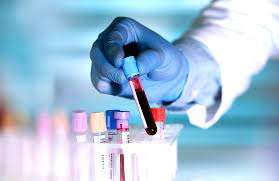
The approach of genetic testing plays a crucial role in identifying hereditary cancer syndromes. These tests help determine whether certain gene mutations increase an individual's risk for cancers such as breast, ovarian, or colorectal cancer.
- Symptoms may not directly arise from these genes but discovering risks early allows preventive strategies to be employed efficiently.
- Testing often encompasses counseling alongside blood draws aimed at analyzing specific DNA sequences linked with increased cancer susceptibility.
- Management options range from enhanced screening protocols to preventive surgeries depending on identified genetic risks.
- Expect timely support throughout testing processes; genetic counselors can provide valuable insights post-results regarding implications for personal and familial healthcare journeys.
By embracing advancements in genetics today helps empower patients toward informed decisions about their health prospects tomorrow!
BONE MARROW ASPIRATION

A bone marrow aspiration is an essential diagnostic procedure that examines bone marrow for various hematological disorders. This procedure helps diagnose conditions like anemia, leukemia, or multiple myeloma by evaluating blood cell production within the marrow.
- Symptoms, such as unexplained bruising or fatigue, may indicate the need for this evaluation if blood tests return abnormal results.
- The process includes using a special needle injected into the hipbone to withdraw marrow samples under sterile conditions.
- Treatment options vary widely based on findings; they might include transfusions, chemotherapy, or supportive care tailored to individual needs.
- Patients generally recover quickly after the procedure; communication about results takes place promptly following analysis.
Overall, this diagnostic method plays a pivotal role in understanding underlying blood disorders effectively.
LIVER BIOPSY

A liver biopsy is a vital diagnostic procedure used to assess liver health and identify various conditions affecting the liver. It involves taking a small sample of liver tissue for examination under a microscope.
- Anomalies, like jaundice or abdominal swelling, may prompt this procedure when other tests suggest liver disease.
- The diagnosis process requires imaging studies followed by needle insertion to collect tissue samples safely.
- Treatment depends on underlying causes revealed during the biopsy – options can range from medication to lifestyle modifications and even surgery if required.
- The recovery period typically involves rest and monitoring; results are noted within days to inform subsequent management strategies.
A liver biopsy provides critical insights into potential diseases affecting your liver's functions, allowing timely interventions when necessary.
THYROID FUNCTION TESTS
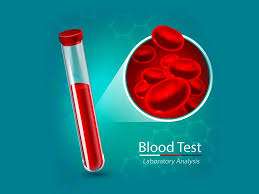
A thyroid function test is crucial in assessing how well your thyroid gland is performing. This test measures levels of hormones such as TSH, T3, and T4 to determine if your thyroid is underactive or overactive.
- Common symptoms of thyroid dysfunction include fatigue, weight gain or loss, and changes in mood or energy levels.
- This diagnosis involves blood tests that can accurately measure hormone levels and assess thyroid health.
- Treatment options vary from medication to manage hormone levels to lifestyle changes for overall thyroid support.
- Pitfalls in managing thyroid issues can be avoided with regular monitoring and appropriate adjustments in treatment based on lab results.
An accurate diagnosis is the first step toward effective management of thyroid-related health issues and enhancing quality of life.
CERVICAL CANCER SCREENING

Cervical cancer screening is an essential procedure aimed at detecting precancerous changes in the cervix. Regular screenings can significantly reduce the risk of developing cervical cancer by identifying abnormal cells early.
- Symptoms may not be present initially, but women may experience unusual bleeding or pelvic pain as the condition progresses.
- The screening process typically involves a Pap test or HPV test to identify any abnormalities in cervical cells.
- Treatment options may include watchful waiting for mild abnormalities, surgical procedures for severe cases, or chemotherapy and radiation for advanced stages.
- Patients can expect a straightforward process, often performed in a routine visit, with results usually available within weeks.
Overall, early detection through regular screenings is vital for effective management and better health outcomes.