
Dr. MD ASIF HUSSAIN
About Me
Dr. MD ASIF HUSSAIN
BMLT
Pathologist
10 Years Experience
Biography
My Clinic
OPD Hours
| Monday | Morning | 10:00 AM | - | 02:00 PM |
| Evening | 06:00 PM | - | 09:00 PM | |
| Tuesday | Morning | 10:00 AM | - | 02:00 PM |
| Evening | 06:00 PM | - | 09:00 PM | |
| Wednesday | Morning | 10:00 AM | - | 02:00 PM |
| Evening | 06:00 PM | - | 09:00 PM | |
| Thursday | Morning | 10:00 AM | - | 02:00 PM |
| Evening | 06:00 PM | - | 09:00 PM | |
| Friday | Morning | 10:00 AM | - | 02:00 PM |
| Evening | 06:00 PM | - | 09:00 PM | |
| Saturday | Morning | 10:00 AM | - | 02:00 PM |
| Evening | 06:00 PM | - | 09:00 PM | |
| Sunday | Morning | 10:00 AM | - | 02:00 PM |
| Evening | 06:00 PM | - | 09:00 PM |
Services
Specialised care and treatments offered
TISSUE MICROARRAY ANALYSIS
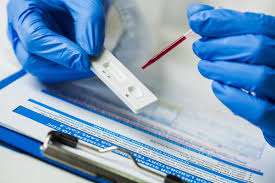
Tissue microarray analysis is an innovative technique used for high-throughput examination of multiple tissue samples simultaneously. It streamlines research capabilities while providing valuable diagnostic data across various diseases, particularly cancer studies.
- You see symptoms/cases : Often utilized within translational research settings where numerous biopsies need evaluation—a cost-effective means aiding larger sample sizes significantly enhances statistical power yielded therein.
- How it’s diagnosed?: Involves embedding small cylindrical samples onto a single slide allowing simultaneous staining & differentiation assessing markers present across diverse specimens examined closely via microscopy techniques employed regularly throughout pathologic evaluations!
- Management approaches & Treatment : Insights gleaned through analyses inform clinical trial candidates potentially identifying novel targets responding uniquely particular agents proposed thereby revolutionizing standard approaches taken traditionally encountered within oncology fields today around world class institutions engaged actively pursuing cures tirelessly every day!
- & What they can expect?: Results readiness timeframe markedly decreases thus speeding turnaround times equipping providers promptly decisions empowering patients navigating challenging journeys ahead fortuitously together hand-in-hand advancing knowledge!
MOLECULAR PATHOLOGY TESTING
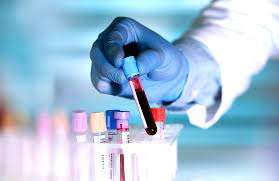
Molecular pathology testing focuses on examining genes and proteins at a molecular level. It enables precise diagnosis of various diseases by detecting specific mutations associated with different medical conditions.
- Symptoms/cases : Indicated especially when traditional histology does not yield definitive diagnoses; beneficial for certain cancers and rare genetic disorders that require deeper analysis.
- Diagnosis : Samples from either blood or tissue are tested using techniques such as PCR (Polymerase Chain Reaction) enabling identification of mutations linked directly with disease states.
- Treatment / management : Tailored therapies unlock opportunities depending upon the nature & stage of illness identified through these tests—particularly influential regarding personalized medicine approaches.
- What will happen? : The testing timeframe varies; patients generally receive insightful guidance swiftly regarding their diagnoses {due} {to renewed advancements} ensuring efficacy throughout treatments pursued thereafter.
This testing method represents transformative practices within modern diagnostics allowing healthcare providers unprecedented clarity crucially impacting patient care pathways moving forward.
IMMUNOHISTOCHEMISTRY
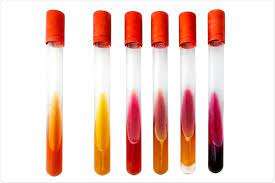
Immunohistochemistry (IHC) is a powerful technique used in pathology that utilizes antibodies to detect specific antigens in tissue samples. This method helps classify tumors more accurately and distinguishes between different types of cancer based on their molecular characteristics.
- Symptoms/cases: Often ordered when imaging studies suggest the presence of malignancy or unusual growths that need characterization through histological examination.
CYTOGENETIC ANALYSIS
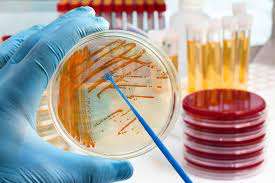
Cytogenetic analysis involves studying chromosomes in cells to identify genetic disorders. This advanced diagnostic test plays a key role in understanding congenital anomalies and cancers at the chromosomal level.
- Symptoms/cases: It may be requested when patients present with developmental delays, physical abnormalities, or known hereditary conditions.
- Diagnosis: Blood samples are typically analyzed under a microscope to observe chromosomal changes like deletions or duplications that could indicate disease.
- Treatment/management: Based on results, genetic counseling may be offered along with recommendations for further testing or treatment options tailored to specific genetic findings.
- What to expect: The turnaround time for results can take several days to weeks due to complex laboratory processes involved in cytogenetics.
This form of analysis enhances our understanding of genetic contributions to health conditions and aids in forming effective management strategies.
BONE MARROW BIOPSY
A Bone Marrow Biopsy is essential for evaluating disorders related to blood cells. This procedure involves extracting marrow liquid from the inner part of bones to assess cell production and detect abnormalities.
- Symptoms/cases: Symptoms leading to this biopsy may include unexplained anemia, repeated infections, or bleeding issues.
- Diagnosis: The biopsy is conducted under local anesthesia, either through the hip bone or sternum, ensuring patient comfort during the process.
- Treatment/management: Findings can help identify conditions such as leukemia or lymphoma and may guide treatment plans including chemotherapy or stem cell therapy.
- What to expect: Patients should anticipate some soreness post-procedure but can usually return to normal activities shortly thereafter.
This diagnostic method provides crucial insights into hematological health and personalized treatment approaches.
FINE NEEDLE ASPIRATION BIOPSY
Fine Needle Aspiration Biopsy (FNAB) is a minimally invasive procedure used to diagnose various conditions, particularly tumors. This method allows for the extraction of small samples of tissue or fluid from lumps or masses, facilitating accurate diagnosis.
- Symptoms/cases: It is often indicated when a patient presents with a lump that might be benign or malignant.
- Diagnosis: The procedure is performed using a thin, hollow needle, guided by ultrasound if necessary to reach the target area.
- Treatment/management: Results will determine further management which may range from monitoring to surgery, depending on whether the sample indicates benign or malignant cells.
- What to expect: Patients typically experience minimal discomfort during and after the procedure, with results generally available within a few days.
This technique serves as an important diagnostic tool in pathology, allowing for quick and effective patient management.