
Dr. Michael Bouknight DO
About Me
Dr. Michael Bouknight DO
MD
Podiatrist
10 Years Experience
Biography
My Clinic
OPD Hours
| Monday | Morning | 10:00 AM | - | 02:00 PM |
| Evening | 06:00 PM | - | 09:00 PM | |
| Tuesday | Morning | 10:00 AM | - | 02:00 PM |
| Evening | 06:00 PM | - | 09:00 PM | |
| Wednesday | Morning | 10:00 AM | - | 02:00 PM |
| Evening | 06:00 PM | - | 09:00 PM | |
| Thursday | Morning | 10:00 AM | - | 02:00 PM |
| Evening | 06:00 PM | - | 09:00 PM | |
| Friday | Morning | 10:00 AM | - | 02:00 PM |
| Evening | 06:00 PM | - | 09:00 PM | |
| Saturday | Morning | 10:00 AM | - | 02:00 PM |
| Evening | 06:00 PM | - | 09:00 PM | |
| Sunday | Morning | 10:00 AM | - | 02:00 PM |
| Evening | 06:00 PM | - | 09:00 PM |
Treatments
Specialised care and treatments offered
HAMMERTOE
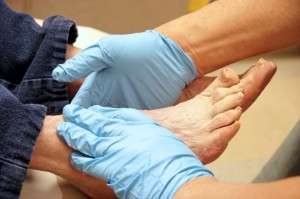
A hammertoe occurs when one of your toes bends downward at the middle joint rather than pointing forward. This deformity can arise from ill-fitting shoes or underlying conditions such as arthritis which may affect toe alignment progressively over time causing discomfort while walking if not addressed timely..
- The main symptom is noticeable bending in one toe accompanied by pain during movement at times; swelling may persist too. < ! --[
- Diagnosis typically revolves around clinical evaluation alongside possible X-ray assessment ensuring correct identification among other similar finger misalignments present; uncommon but possible need arises seldomly suggesting surgical correction might be necessary.
- Podiatrists often recommend treatment options including:
- Cushion pads placed around painful areas;
- Shoe modifications emphasizing space allowance;
- and customized orthotics based on personal foot structure!
Patients typically respond well leading into designed remedies yielding successful results if adhered strictly according prescribed regimens recommended strongly!
MORTON'S NEUROMA
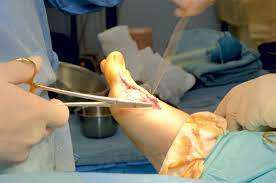
This condition involves nerve compression often occurring between the third and fourth toes. Morton's neuroma frequently causes sharp pain or discomfort resembling cramping sensations that affect active individuals more prominently than others due its impact on footwear choices used during exercise routines.'
- '
- Symptoms generally include a burning sensation leading towards forefoot area accompanied by numbness present post-activity as well.'
- Diagnosis relies mainly upon clinical assessment coupled sometimes with ultrasound imaging for clarity.
- Treatment approaches range from utilizing padded shoes/cushioned inserts ensuring less pressure on neuroma's area alongside corticosteroid measures when indicated accordingly.
- Surgical intervention remains an option particularly if conservative methods fail overtime.
When handled appropriately – many find lasting comfort making it easier again enjoying preferred activities without hindrance once more!
FLAT FEET
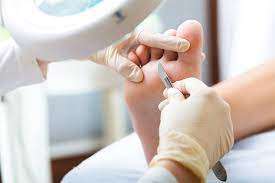
Flat feet occur when the arches of the feet are lower than normal or non-existent. This condition is often hereditary but can also develop over time due to wear or injury. Flat feet can lead to discomfort in various parts of the lower body due to altered mechanics during walking or running.
- The major symptoms might include tiredness in legs after standing for long periods or pain in areas such as heels or knees judged during mobility activities.
- A podiatrist would perform a visual inspection along with functional assessments to confirm flatfoot diagnosis effectively.
- Treatment includes arch supports, special footwear recommendations, or custom orthotics tailored to individual needs for comfort enhancement while walking.
By properly addressing flat feet early on with suitable interventions, individuals can enjoy improved stability and reduced pain over time during their daily routines.
ATHLETE'S FOOT
Athlete's foot is a fungal infection that generally affects the skin between the toes. It is particularly common among athletes but can occur in anyone due to moisture accumulation from sweating or humid conditions.
- The classic symptoms include itching, burning, peeling skin, and sometimes blistering between toes.
- A thorough examination by a podiatrist will confirm diagnosis through physical signs or cultures if needed.
- Treatment often includes antifungal creams or oral medications depending on severity.
- Keeping feet dry and practicing good hygiene are vital parts of prevention.
If treated promptly, most individuals find relief rapidly while preventing recurrence through diligent foot care practices thereafter.
BUNIONS
Bunions are bony protrusions at the base of the big toe joint that can lead to discomfort and misalignment of the toe. They often develop due to genetics or prolonged pressure on the feet from footwear choices.
- The primary symptom is swelling and tenderness around the affected joint.
- A physical examination and imaging tests help in confirming diagnosis and assessing severity.
- Treatment typically begins with lifestyle modifications like comfortable shoes, padding, and anti-inflammatory medications.
- Surgery may be necessary for severe cases where pain impacts daily activities significantly.
- Post-surgery recovery usually involves immobilization followed by physical therapy to restore function.
Managing bunions effectively can improve foot alignment and quality of life over time.
PLANTAR FASCIITIS
Plantar fasciitis is a common condition that causes heel pain, affecting individuals of various ages and activity levels. It occurs when the plantar fascia, a thick band of tissue that connects your heel to your toes, becomes inflamed.
- Symptoms may include sharp heel pain, especially in the morning or after prolonged periods of sitting.
- The condition can be diagnosed through physical exams and sometimes imaging tests like X-rays to rule out other issues.
- Treatment options include rest, ice application, stretching exercises, and orthotic devices.
- Corticosteroid injections may be considered for severe inflammation.
- Recovery times can vary; many find relief within several months with appropriate care.
With proper management, most individuals experience significant improvement and can return to their normal activities without pain.