
Dr. Muhammad Hafeez
About Me
Dr. Muhammad Hafeez
Pathologist
10 Years Experience
Biography
My Clinic
OPD Hours
| Monday | Morning | 10:00 AM | - | 02:00 PM |
| Evening | 06:00 PM | - | 09:00 PM | |
| Tuesday | Morning | 10:00 AM | - | 02:00 PM |
| Evening | 06:00 PM | - | 09:00 PM | |
| Wednesday | Morning | 10:00 AM | - | 02:00 PM |
| Evening | 06:00 PM | - | 09:00 PM | |
| Thursday | Morning | 10:00 AM | - | 02:00 PM |
| Evening | 06:00 PM | - | 09:00 PM | |
| Friday | Morning | 10:00 AM | - | 02:00 PM |
| Evening | 06:00 PM | - | 09:00 PM | |
| Saturday | Morning | 10:00 AM | - | 02:00 PM |
| Evening | 06:00 PM | - | 09:00 PM | |
| Sunday | Morning | 10:00 AM | - | 02:00 PM |
| Evening | 06:00 PM | - | 09:00 PM |
Services
Specialised care and treatments offered
AUTOPSY PATHOLOGY
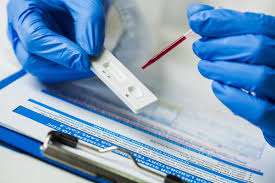
An autopsy is an extensive medical examination carried out post-mortem. Autopsy pathology aims at determining the cause of death by dissecting organs and examining tissues. This practice provides closure for families while contributing valuable data towards understanding disease prevalence within communities.
- Symptoms/Causes: Often performed when deaths occur unexpectedly or under suspicious circumstances necessitating clarity on underlying health issues contributing towards fatality
- Diagnosis: Detailed examinations coupled with historical medical records allow pathologists assess cause mortality accurately while synergizing findings rehabilitative scientific investigations
- Treatment/Management: Although not intended therapeutically this practice enhances knowledge surrounding anatomical conditions fostering better preventive measures influencing public health policies
- What to Expect: Autopsies entail procedural rigor sensitive handling family matters paramount post-analysis discussions facilitate understanding outcomes contribute educationally within wider medicine communities increasing awareness resultant findings insightful perspectives life-death continuum dynamics undergone witnessing societal impacts observably shifting perceptions surrounding roles palliative end-of-life scenarios faced therein!
MOLECULAR PATHOLOGY
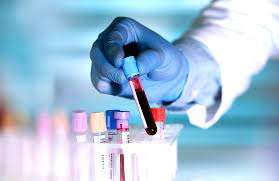
Molecular pathology integrates molecular biology with traditional pathology to understand diseases at the genetic level. It allows pathologists to identify specific biomarkers associated with various cancers and genetic disorders, enhancing diagnosis accuracy significantly.
- Symptoms/Causes:, Genetic predispositions often manifest through familial patterns indicating risks necessitating advanced molecular tests for precise insights into disease mechanisms affecting patients' health trajectories.<
eplace li>
- Diagnosis: , Tissue specimens undergo sophisticated analyses like PCR (Polymerase Chain Reaction) and sequencing techniques identifying mutations relevant for personalized treatment options.
- Treatment/Management: , Results guide tailored therapies targeting specific genetic mutations enabling better outcomes compared to traditional therapies.
- What to Expect: , Molecular tests typically require additional processing time; however the meticulous scrutiny they provide makes them invaluable tools within diagnostic frameworks enhancing patient-specific strategies.
- Diagnosis: , Tissue specimens undergo sophisticated analyses like PCR (Polymerase Chain Reaction) and sequencing techniques identifying mutations relevant for personalized treatment options.
This innovative approach equips healthcare providers with pivotal insights contributing toward higher efficacy management instances across diverse patient populations navigating complex illnesses complexities captured not only structurally but genetically as well! m
HISTOPATHOLOGY
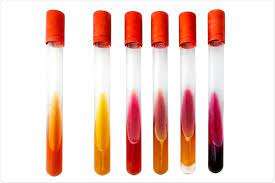
The field of histopathology involves examining tissues under a microscope after they have been fixed and stained. This examination is crucial for diagnosing diseases such as cancer and inflammatory conditions by revealing changes in tissue architecture indicative of underlying pathology.
- Symptoms/Causes: Patients commonly present with symptoms that raise concerns over potential malignancies or chronic inflammatory conditions requiring thorough investigation through tissue analysis.
- Diagnosis: Tissue samples are typically obtained through biopsies and processed before microscopic evaluation by pathologists who look for abnormal cells or architectures.
- Treatment/Management: Findings can lead directly to varied treatments including chemotherapy regimens or surgical interventions based on disease staging determined by histological characteristics.
- What to Expect: Although processing time varies, timely communication of results aids physicians in rapid decision-making regarding patient care strategies.
This diagnostic tool remains foundational in modern medicine for understanding many conditions at their most fundamental level—tissue structure alterations correlating with disease states.
CYTOPATHOLOGY
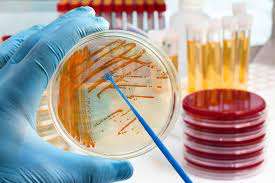
Cytopathology focuses on the study of individual cells obtained from various body sites. This technique is instrumental in cancer screenings and diagnosing infectious diseases by analyzing cellular changes that indicate pathology.
- Symptoms/Causes: Indications for cytological evaluation often arise from abnormal imaging results or symptoms such as persistent coughs or changes in bodily secretions.
- Diagnosis: Samples can be collected via fine-needle aspiration or brushing techniques from fluids or masses for examination under a microscope.
- Treatment/Management: Cytopathological findings help guide decisions regarding further interventions like biopsies or surgeries if necessary.
- What to Expect: While generally safe, some discomfort may occur during sample collection; results are usually communicated promptly for timely management planning.
This diagnostic approach empowers clinicians with vital information regarding disease processes at the cellular level, aiding in early intervention strategies.
BLOOD SMEAR ANALYSIS
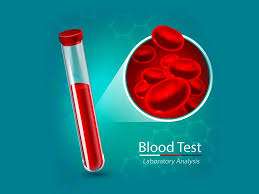
A blood smear analysis is essential for assessing blood cell morphology and detecting various hematological disorders. This diagnostic test provides critical insight into conditions such as anemia, infections, and leukemias by evaluating the number and appearance of blood cells.
- Symptoms/Causes: Common symptoms prompting this test include fatigue, unusual bruising, or persistent infections.
- Diagnosis: Blood samples are spread on a slide and stained to allow pathologists to examine cell structures microscopically.
- Treatment/Management: Based on findings, treatments may vary widely, including medications or further specialized tests.
- What to Expect: The test is straightforward; results generally take a few days to process and discuss with your healthcare provider.
This analysis plays a crucial role in early detection of potentially serious health issues through comprehensive evaluation.
BIOPSY
A biopsy is a medical procedure that involves the removal of tissue samples for examination under a microscope. This process helps in diagnosing various conditions, particularly cancers and inflammatory diseases. By analyzing the tissue, pathologists can determine the presence of abnormal cells and assist in formulating treatment plans.
- Symptoms/Causes: Patients may exhibit unexplained masses, chronic pain, or other concerning signs that warrant further investigation.
- Diagnosis: A biopsy can be performed using various methods such as needle aspiration or surgical excision, depending on the location and type of tissue involved.
- Treatment/Management: Following analysis, results will guide treatment options, which may range from surgery to targeted therapies.
- What to Expect: Recovery from a biopsy depends on the technique used; patients are typically advised about post-procedure care and follow-up appointments.
This procedure is pivotal in confirming diagnoses and ensuring appropriate management strategies are implemented.