
Dr. Muhammad Wajid
About Me
Dr. Muhammad Wajid
MBBS
Pathologist
10 Years Experience
Biography
My Clinic
OPD Hours
| Monday | Morning | 10:00 AM | - | 02:00 PM |
| Evening | 06:00 PM | - | 09:00 PM | |
| Tuesday | Morning | 10:00 AM | - | 02:00 PM |
| Evening | 06:00 PM | - | 09:00 PM | |
| Wednesday | Morning | 10:00 AM | - | 02:00 PM |
| Evening | 06:00 PM | - | 09:00 PM | |
| Thursday | Morning | 10:00 AM | - | 02:00 PM |
| Evening | 06:00 PM | - | 09:00 PM | |
| Friday | Morning | 10:00 AM | - | 02:00 PM |
| Evening | 06:00 PM | - | 09:00 PM | |
| Saturday | Morning | 10:00 AM | - | 02:00 PM |
| Evening | 06:00 PM | - | 09:00 PM | |
| Sunday | Morning | 10:00 AM | - | 02:00 PM |
| Evening | 06:00 PM | - | 09:00 PM |
Services
Specialised care and treatments offered
CLINICAL PATHOLOGY
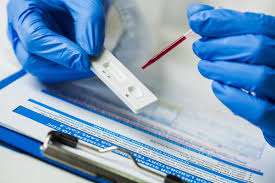
This area encompasses laboratory medicine focused on analyzing blood and other bodily fluids. Clinical pathology provides valuable insights aiding diagnosis across numerous health conditions through sophisticated testing methods like blood counts and biochemical analyses.
- Symptoms: Abnormal lab results often lead physicians recommending further evaluations prompting comprehensive assessments towards efficient diagnosis;
- Diagnosis: Testing involves blood draws followed by age-specific assays assessing metabolic pathways indicative detecting disorders influencing choice treatment strategies;
- Treatment Options: Depending course outcomes determined laboratory tests performed timely interventions initiation addresses problems uncovered safely ensuring health restored promptly;
- What expect: Patients should anticipate timely feedback regarding test results empowering collaboration amongst healthcare professionals regarding tailored approaches navigating recovery pathways seamlessly achieves successful resolutions possibilities established once potential concerns highlighted up front enabling proactive measures taken holistically leading improved overall well-being outcomes achieved as anticipated effectively;
This field advances continual progress enhancing diagnostics ultimately contributing collective efforts towards public health enhancement over time efficiently guiding clinical practices effectively across multidisciplinary teams working collaboratively engage best solutions possible aid efficacy benefiting individuals’ daily lives directly impacted positively overall long-term wellness sustainability achieved throughout dynamics addressed systematically adapting needs evolve accordingly via innovation consistently embracing technological advancements shaping future directions pioneering ahead strategically alongside improving healthcare systems progressively;
FORENSIC PATHOLOGY
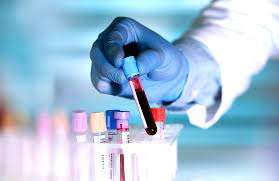
This branch specializes in determining cause of death by examining bodies post-mortem. Forensic pathology serves not just medical purposes but also contributes significantly to legal investigations related to sudden or unexpected deaths.
- Symptoms/Indicators: Cases often arise from accidental deaths, homicides, or unexplained fatalities requiring detailed autopsy reports validating circumstances surrounding incidents involved.
MOLECULAR PATHOLOGY
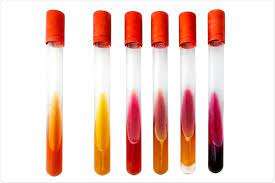
Molecular pathology integrates molecular biology techniques with traditional pathology to understand disease mechanisms at a genetic level. It plays an important role in personalized medicine by identifying genetic mutations associated with various diseases.
- Symptoms: Patients who have family histories of genetic disorders may be candidates for this type of testing after preliminary assessments indicate risk factors.
- Diagnosis: Analysis often involves next-generation sequencing or other molecular assays identifying pathogenic variants affecting treatment options and outcomes.
- Treatment Options: Based on molecular findings, therapies may include targeted drugs aimed at specific mutations implicated in disease progression.
- What to Expect: Discussions regarding the implications of molecular test results are crucial for developing patient-centered care plans tailored specifically toward individual genetic profiles.
Molecular pathology thus empowers clinicians with precise information for effective disease management protocols throughout treatment journeys.
IMMUNOHISTOCHEMISTRY
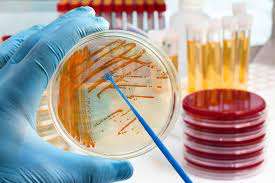
This specialized technique involves using antibodies to detect specific proteins in cells within a tissue section. Immunohistochemistry aids in determining the presence of certain markers associated with specific tumor types.
- Symptoms: Often utilized when imaging studies suggest malignancies; this test assists in confirming diagnoses based on tissue structure.
- Diagnosis: Tissue sections are stained with antibodies that bind to target antigens; the resulting patterns are evaluated microscopically by pathologists.
- Treatment Options: Positive identification of markers can influence treatment choices such as targeted therapy options tailored to the patient's tumor profile.
- What to Expect: Results can provide critical insights into prognosis and potential responses to treatments available for specific cancer types.
This approach enhances diagnostic accuracy and guides personalized treatment strategies effectively.
CYTOPATHOLOGY
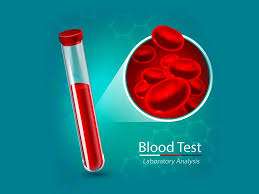
Cytopathology focuses on the examination of individual cells from body fluids or tissues. This method is particularly useful in early detection of cancer and other diseases.
- Symptoms: Patients may experience unusual discharges or masses that lead to cytological evaluation.
- Diagnosis: Collecting samples through fine-needle aspiration or fluid collection allows for detailed cellular analysis.
- Treatment Options: Findings may necessitate further diagnostic tests or prompt immediate treatment plans based on cell abnormalities identified.
- What to Expect: Results from cytopathological assessments can guide both patients and primary care providers in making informed health decisions.
Ultimately, cytopathology serves as an essential tool for early diagnosis and ongoing management of various conditions.
HISTOPATHOLOGY
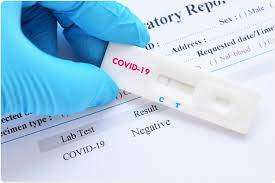
Histopathology is a critical diagnostic tool used to examine tissues and cells for signs of disease. By analyzing tissue samples under a microscope, pathologists can identify abnormal growths or infections that may indicate various medical conditions.
- Symptoms: Often, patients present with unexplained symptoms like lumps, swelling, or persistent pain that prompt tissue sampling.
- Diagnosis: A biopsy is performed to collect tissue samples, which are then processed and analyzed by a pathologist.
- Treatment Options: Depending on the findings, treatment may involve surgical intervention, chemotherapy, or targeted therapy.
- What to Expect: Patients can expect clear communication regarding their results and subsequent steps in managing their condition.
Overall, histopathology plays a vital role in diagnosing and managing diseases effectively.