
Dr. Munazzah Tarham
About Me
Dr. Munazzah Tarham
MD
Pathologist
10 Years Experience
Biography
My Clinic
OPD Hours
| Monday | Morning | 10:00 AM | - | 02:00 PM |
| Evening | 06:00 PM | - | 09:00 PM | |
| Tuesday | Morning | 10:00 AM | - | 02:00 PM |
| Evening | 06:00 PM | - | 09:00 PM | |
| Wednesday | Morning | 10:00 AM | - | 02:00 PM |
| Evening | 06:00 PM | - | 09:00 PM | |
| Thursday | Morning | 10:00 AM | - | 02:00 PM |
| Evening | 06:00 PM | - | 09:00 PM | |
| Friday | Morning | 10:00 AM | - | 02:00 PM |
| Evening | 06:00 PM | - | 09:00 PM | |
| Saturday | Morning | 10:00 AM | - | 02:00 PM |
| Evening | 06:00 PM | - | 09:00 PM | |
| Sunday | Morning | 10:00 AM | - | 02:00 PM |
| Evening | 06:00 PM | - | 09:00 PM |
Services
Specialised care and treatments offered
CLINICAL BIOCHEMISTRY
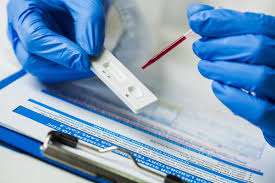
This field analyzes bodily fluids (usually serum) for information crucial in diagnosing metabolic conditions. Clinical biochemists assess enzymes, hormones, electrolytes, and proteins among others as part of routine tests performed during clinical evaluations.
- Commonly observed symptoms prompting these tests include unintentional weight changes along with persistent fatigue indicating possible hormonal imbalances effects observed in thyroid dysfunctions or diabetes mellitus .
- Accurate diagnostic assessments are reliant upon laboratory procedures involving spectrometry , immunoassays , alongside calibrations maintaining high accuracy standards demanding rigorous training .
- Possible management steps often involve dietary alterations whereas pharmacological interventions sometimes emerge necessary adhering strictly towards correcting identified biochemical imbalances affecting patient's physiology over time .
- Expect gradual improvements once proper diagnosis occurs accompanied closely beyond just clinical evaluations striving subsequent adjustments tailored reflecting countless factors influencing individual responses connecting lifestyle adaptations successfully bridging gaps created initially through illness .
Clinical biochemistry plays an invaluable role contributing toward holistic understanding guiding clinicians into informed decision-making prioritizing optimal patient welfare all along this journey .
SURGICAL PATHOLOGY
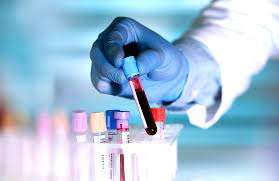
Surgical pathology entails examining tissues removed during surgery to diagnose diseases. The analysis provides essential information for managing patient care post-surgery effectively.
- Painful symptoms leading up to surgical intervention might indicate underlying issues requiring pathologic assessment after excision via biopsy or resection procedures.
- Tissue samples are processed using histological techniques followed by microscopic examination to detect any abnormal cellular changes indicative of disease states such as cancer or infections.
- Treatment recommendations will often depend on these results facilitating options like further surgery, chemotherapy, or additional monitoring protocols as warranted by diagnosis outcomes.
- Patients should expect timely feedback regarding pathologic assessments which are crucial for ongoing therapeutic planning.
The expertise provided through surgical pathology directly influences treatment decisions ensuring personalized healthcare approaches are pursued effectively.
FORENSIC PATHOLOGY

This field involves determining causes of death through examination of deceased individuals. It plays a critical role in both medical and legal settings, providing clarity in complex cases.
- A typical cause for forensic analysis might arise from unexplained deaths or potential foul play scenarios encountered during investigations.
- The process includes autopsies and extensive evaluations of tissue samples to ascertain any pathological findings post-mortem.
- The insights gained can assist law enforcement agencies in developing criminal justice investigations based upon scientific data acquired through autopsy findings.
- The forensic pathologist's report can substantially influence legal proceedings by providing objective evidence regarding cause and manner of death.
This discipline not only serves justice but also aids families seeking closure in tragic circumstances by revealing medically verified conclusions about unexpected losses.
MOLECULAR PATHOLOGY
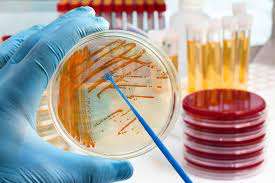
Molecular pathology focuses on understanding diseases at a molecular level through genetic testing. It has revolutionized diagnostics by providing insights into the underlying mechanisms of various conditions.
- Common symptoms prompting molecular tests include familial patterns of disease or atypical presentations in patients with cancer.
- This specialty utilizes advanced techniques such as PCR and next-generation sequencing to identify genetic mutations associated with specific diseases.
- Treatment implications can extend to personalized medicine approaches where therapy is tailored according to the genetic profile of the tumor.
- The diagnostic process is thorough; expect comprehensive reports that can guide both immediate and long-term management plans based on findings.
Molecular pathology enhances our ability to provide precise diagnostics that improve patient care pathways significantly.
CYTOPATHOLOGY
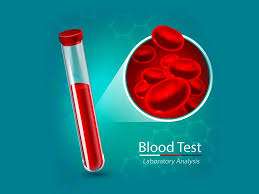
Cytopathology involves the study of individual cells from various body fluids and tissues to diagnose diseases. This technique is particularly useful for detecting cancers at an early stage.
- An initial symptom could be an abnormal finding in routine screenings or persistent cough in lung-related cases.
- The diagnosis is made through techniques like Fine Needle Aspiration (FNA) or Pap smears which help sample cells from suspicious areas.
- Treatment may necessitate further imaging studies or surgical interventions if malignancy is confirmed.
- Patients can anticipate timely communication of results to facilitate prompt follow-up care and decision-making regarding their health.
Cytopathology significantly contributes to improving outcomes through early detection and intervention strategies.
HEMATOPATHOLOGY
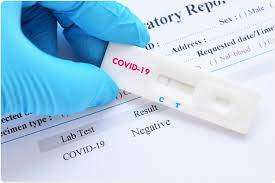
Hematopathology is a specialized branch of pathology that focuses on the diagnosis of blood disorders, including leukemias, lymphomas, and various anemias. Understanding these conditions is crucial for accurate treatment and management.
- Symptoms may include unexplained fatigue, frequent infections, or abnormal bleeding.
- Diagnosis typically involves laboratory tests such as blood smears, bone marrow biopsies, and flow cytometry to analyze blood cell abnormalities.
- Treatment options can vary widely and may include chemotherapy, radiation therapy, or targeted therapies based on the specific disorder.
- Patients can expect a detailed evaluation process that includes both clinical assessment and laboratory results integration.
This area of pathology plays a vital role in guiding effective treatment strategies for blood-related illnesses.