
Dr. N.P.Sinha
About Me
Dr. N.P.Sinha
MS
Ophthalmologist
10 Years Experience
Biography
My Clinic
OPD Hours
| Monday | Morning | 10:00 AM | - | 02:00 PM |
| Evening | 06:00 PM | - | 09:00 PM | |
| Tuesday | Morning | 10:00 AM | - | 02:00 PM |
| Evening | 06:00 PM | - | 09:00 PM | |
| Wednesday | Morning | 10:00 AM | - | 02:00 PM |
| Evening | 06:00 PM | - | 09:00 PM | |
| Thursday | Morning | 10:00 AM | - | 02:00 PM |
| Evening | 06:00 PM | - | 09:00 PM | |
| Friday | Morning | 10:00 AM | - | 02:00 PM |
| Evening | 06:00 PM | - | 09:00 PM | |
| Saturday | Morning | 10:00 AM | - | 02:00 PM |
| Evening | 06:00 PM | - | 09:00 PM | |
| Sunday | Morning | 10:00 AM | - | 02:00 PM |
| Evening | 06:00 PM | - | 09:00 PM |
Treatments
Specialised care and treatments offered
CONJUNCTIVITIS (PINK EYE) MANAGEMENT
This inflammation of the conjunctiva can stem from infections (viral or bacterial), allergies, or irritants. Conjunctivitis is highly contagious depending on its source but often resolves with appropriate care measures.ul>
'Most cases resolve quickly regarding conjunctivitis understanding what causes this condition helps facilitate quicker recoveries!'
RETINAL DETACHMENT TREATMENT
This serious condition occurs when the retina separates from its underlying supportive tissue. If not treated promptly, it can result in permanent vision loss. Symptoms often appear suddenly and require immediate attention.
- The most common warnings include flashes of light, sudden increase in floaters, or shadows appearing in your field of vision.
- A rapid diagnosis is essential; an ophthalmologist will conduct evaluations like visual field tests and examinations using a slit lamp or ultrasound imaging if needed.
- Treatment options generally consist of surgical procedures such as pneumatic retinopexy or scleral buckle techniques designed to reattach the retina securely back in place.
- Post-surgical follow-ups are vital as they help monitor healing processes and address any complications effectively early on during recovery periods.
The urgency surrounding retinal detachment cannot be overstated; immediate care is crucial for preserving sight. Educating oneself on symptoms encourages prompt action when necessary.
AGE-RELATED MACULAR DEGENERATION (AMD) CARE
A common cause of vision loss among older adults, AMD affects the macula—the part of the retina responsible for sharp central vision. There are two types: dry and wet AMD, each requiring different approaches for management.
- The main symptoms include gradual loss of central vision, making it difficult to read or recognize faces.
- A comprehensive dilated eye exam allows professionals to diagnose AMD by assessing retinal health and possible drusen present around the macula.
- Treatment plans may incorporate nutritional supplements for dry AMD or anti-VEGF injections for wet AMD to slow disease progression.
- Ongoing monitoring helps adapt treatment strategies based on individual responses and disease advancement over time.
Your eyesight is precious; understanding AMD can empower you in discussions about your care options. Regular check-ups are crucial as high-risk groups increase with age.
DIABETIC RETINOPATHY TREATMENT
This condition occurs when high blood sugar levels cause damage to the blood vessels in the retina. Diabetic retinopathy can lead to severe vision problems if left untreated.
- The initial symptoms might include blurred or distorted vision and difficulty perceiving colors.
- A thorough examination by an ophthalmologist typically includes fundus photography or Optical Coherence Tomography (OCT) to evaluate retinal changes.
- Treatment options range from laser therapy to manage leaking blood vessels to injections that help reduce swelling in the retina.
- Persistence in managing blood sugar levels is essential for preventing progression and protecting eyesight during treatment.
Diligent monitoring and timely intervention remain key factors in managing diabetic retinopathy effectively. Regular diabetic screenings are critical for early detection.
GLAUCOMA MANAGEMENT
Glaucoma refers to a group of eye conditions that damage the optic nerve, often associated with increased intraocular pressure. It is a leading cause of irreversible blindness if not properly managed.
- Common symptoms may not be noticeable early on but can include peripheral vision loss and tunnel vision as the disease progresses.
- A professional diagnosis will involve measuring intraocular pressure and assessing optic nerve health through various tests.
- The treatment plan may include prescription eye drops, oral medications, laser treatment, or surgical procedures to reduce pressure in the eye.
- Regular follow-ups are crucial for effective management and monitoring of this chronic condition.
With appropriate management strategies, those diagnosed with glaucoma can maintain their vision over time. Early intervention plays a vital role in preserving sight.
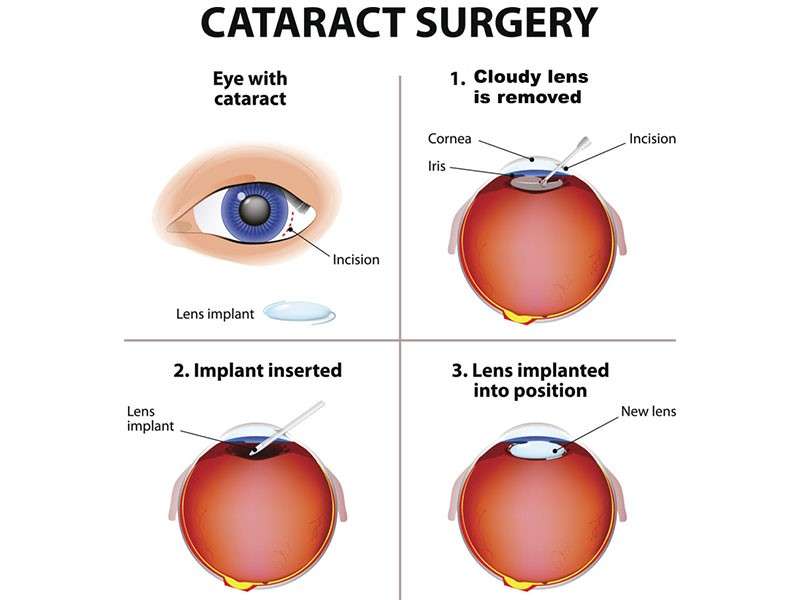
CATARACT SURGERY
Cataracts are a common eye condition characterized by the clouding of the lens, leading to blurred vision. This condition often develops gradually and can affect daily activities.
- Symptoms include cloudy or blurry vision, difficulty seeing at night, and sensitivity to light.
- Diagnosis is typically performed through a comprehensive eye examination involving visual acuity tests and a dilated eye exam.
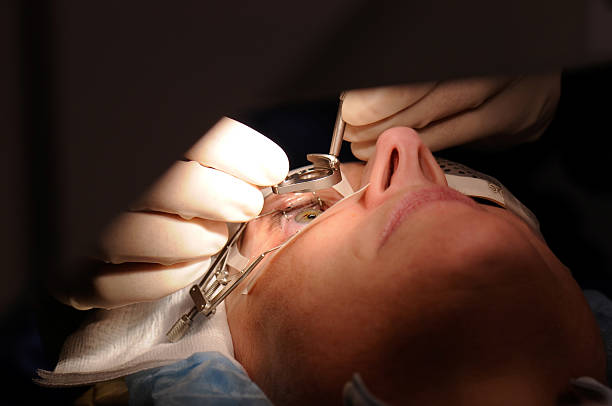
- Treatment usually involves cataract surgery, where the cloudy lens is replaced with an artificial lens to restore clear vision.
- Patients can expect a quick recovery time, often resuming normal activities within a few days post-surgery.
Understanding cataracts and their management options can greatly enhance your quality of life. Regular check-ups are essential for monitoring eye health.