
Dr. Nalin Joshi
About Me
Dr. Nalin Joshi
MD
Pulmonologist
10 Years Experience
Biography
My Clinic
OPD Hours
| Monday | Morning | 10:00 AM | - | 02:00 PM |
| Evening | 06:00 PM | - | 09:00 PM | |
| Tuesday | Morning | 10:00 AM | - | 02:00 PM |
| Evening | 06:00 PM | - | 09:00 PM | |
| Wednesday | Morning | 10:00 AM | - | 02:00 PM |
| Evening | 06:00 PM | - | 09:00 PM | |
| Thursday | Morning | 10:00 AM | - | 02:00 PM |
| Evening | 06:00 PM | - | 09:00 PM | |
| Friday | Morning | 10:00 AM | - | 02:00 PM |
| Evening | 06:00 PM | - | 09:00 PM | |
| Saturday | Morning | 10:00 AM | - | 02:00 PM |
| Evening | 06:00 PM | - | 09:00 PM | |
| Sunday | Morning | 10:00 AM | - | 02:00 PM |
| Evening | 06:00 PM | - | 09:00 PM |
Treatments
Specialised care and treatments offered
TUBERCULOSIS SCREENING
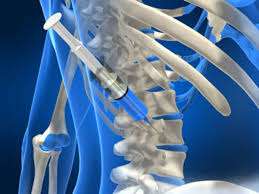
Tuberculosis (TB) remains a major global health issue primarily affecting the lungs but capable of impacting other areas. Screening is vital as many individuals remain asymptomatic while harboring active TB infection leading it potentially into widespread outbreaks without early detection measures implemented proactively...
- Common indications prompting screening efforts include recent exposure histories or persistent cough lasting beyond three weeks along with unexplained weight loss/fatigue...
- Diagnostic procedures range from skin tests like the Mantoux tuberculin test checking for delayed hypersensitivity responses alongside confirmatory chest x-rays aiding visibility concerning any abnormal findings...
- Treatment varies greatly depending upon specific clinical scenarios present whether latent infections merely requiring preventive therapy regimens versus actively infectious cases needing prolonged antibiotic courses tailored towards eradicating organisms responsible entirely...
Addressing potential TB risks effectively entails collaborative approaches spanning community education initiatives alongside timely medical evaluations ensuring optimal public health maintenance practices harmonized favorably within respective communities...
SLEEP APNEA EVALUATION

Sleep apnea is a serious sleep disorder characterized by pauses in breathing or shallow breaths during sleep. This condition can lead to fragmented sleep and decreased oxygen supply throughout the night impacting daytime functioning significantly if left untreated...
- Main signs include loud snoring followed by episodes where breathing stops accompanied by choking sensations while asleep due to disrupted airflow pathways caused primarily by obstructions in the throat area or central nervous system malfunctions affecting respiratory control mechanisms during sleep cycles...
- A comprehensive evaluation includes overnight monitoring that records sleep patterns utilizing polysomnography which provides critical data points necessary for an accurate diagnosis...
- Treatment involves continuous positive airway pressure (CPAP) therapy aimed at keeping airways open throughout sleeping hours; weight management may also aid in reducing severity...
Early identification paired with appropriate interventions yield significant improvements not just relating specifically towards restful nights but impacts daily energy levels positively promoting an enhanced overall quality of life...
PULMONARY FUNCTION TESTS (PFTS)

Pulmonary Function Tests are critical diagnostic tools used to evaluate how well your lungs are working. These tests measure various aspects such as airflow rates and lung volumes which help identify underlying lung conditions including obstructive or restrictive diseases.
- The process often includes measurements like Forced Vital Capacity (FVC) and Forced Expiratory Volume (FEV1), which provide valuable insights into respiratory health status.
- PFTs help diagnose conditions such as asthma or COPD based upon their characteristic airflow patterns observed during testing sessions conducted under specific protocols.
- No special preparation is usually required; however, patients might be advised against using bronchodilator medications beforehand to ensure accurate results are obtained from the tests performed during evaluation days.
The results from PFTs guide treatment decisions helping in tailoring interventions precisely according to individual needs while monitoring progress over time remains essential for managing chronic respiratory diseases effectively.
INTERSTITIAL LUNG DISEASE (ILD)

Interstitial Lung Disease encompasses a group of disorders affecting the tissue and space around the air sacs in the lungs. The inflammation leads to scarring (fibrosis), which can significantly impair lung function over time. Early diagnosis is crucial for managing this complex group of conditions.
- Main symptoms include persistent dry cough and increasing shortness of breath on exertion, often leading to reduced exercise capacity.
- A thorough clinical evaluation, along with high-resolution CT scans, aids in establishing an accurate diagnosis by revealing patterns indicative of ILD.
- Treatment strategies typically focus on addressing underlying causes; anti-inflammatory medications such as corticosteroids may be employed alongside supplementary oxygen therapy if necessary.
- In more severe cases, a multidisciplinary approach including occupational therapy could be beneficial for enhancing quality of life among affected individuals.
The journey through ILD management requires ongoing assessments to adapt therapies effectively based on disease progression and patient response.
ASTHMA DIAGNOSIS AND MANAGEMENT

Asthma is a common respiratory condition characterized by airway inflammation and hyperreactivity, leading to recurrent episodes of wheezing, breathlessness, chest tightness, and nighttime coughing. Identifying triggers is essential for effective management.
- Common symptoms include persistent coughing, especially at night or during exercise.
- A detailed medical history coupled with physical examinations helps identify asthma; lung function tests (spirometry) are crucial in assessing airflow obstruction.
- Treatment focuses on inhaled corticosteroids, bronchodilators, and lifestyle adjustments to minimize exposure to allergens and irritants.
- Persistent asthma may require a review of the existing medication plan based on symptom control frequency.
- The prognosis is generally good with appropriate management strategies tailored for the patient’s needs.
A proactive approach towards monitoring symptoms can help maintain better control over asthma and improve overall quality of life.
CHRONIC OBSTRUCTIVE PULMONARY DISEASE (COPD)

Chronic Obstructive Pulmonary Disease, often referred to as COPD, is a progressive lung disease that causes difficulty in breathing. Primarily caused by long-term exposure to irritating gases or particulate matter, most notably from cigarette smoke, it can significantly affect daily activities.
- Symptoms include chronic cough, sputum production, and shortness of breath that worsens with activity.
- Diagnosis typically involves a thorough medical history, physical examination, and lung function tests known as spirometry.
- Treatment options may involve bronchodilators, corticosteroids, and pulmonary rehabilitation programs aimed at improving the patient's quality of life.
- Pulmonary function may further be assessed using imaging techniques like CT scans.
- Patients can expect a comprehensive management plan focusing on alleviating symptoms and improving lung function.
Managing COPD effectively requires regular monitoring and adherence to treatment strategies tailored for each individual. Early intervention can enhance outcomes significantly.