
Dr. Nivetha S
About Me
Dr. Nivetha S
MD
Dermatologist
10 Years Experience
Biography
My Clinic
OPD Hours
| Monday | Morning | 10:00 AM | - | 02:00 PM |
| Evening | 06:00 PM | - | 09:00 PM | |
| Tuesday | Morning | 10:00 AM | - | 02:00 PM |
| Evening | 06:00 PM | - | 09:00 PM | |
| Wednesday | Morning | 10:00 AM | - | 02:00 PM |
| Evening | 06:00 PM | - | 09:00 PM | |
| Thursday | Morning | 10:00 AM | - | 02:00 PM |
| Evening | 06:00 PM | - | 09:00 PM | |
| Friday | Morning | 10:00 AM | - | 02:00 PM |
| Evening | 06:00 PM | - | 09:00 PM | |
| Saturday | Morning | 10:00 AM | - | 02:00 PM |
| Evening | 06:00 PM | - | 09:00 PM | |
| Sunday | Morning | 10:00 AM | - | 02:00 PM |
| Evening | 06:00 PM | - | 09:00 PM |
Treatments
Specialised care and treatments offered
WARTS
A wart is a small growth caused by human papillomavirus (HPV) infection that appears on various parts of the body. Warts are quite common across all ages and can often be bothersome aesthetically or physically depending on their location.
ROSACEA
Rosacea is a chronic inflammatory condition primarily affecting facial skin. It usually manifests in adults aged 30-50 years but can appear at any age. Understanding triggers is key for effective management.
- Symptoms : Individuals may experience flushing , persistent redness , visible blood vessels , bumps , or pimples similar to acne .
- Causes : Although the exact cause remains unknown , factors include genetics , environmental influences , and immune responses .
- Diagnosis : A thorough examination by a dermatologist helps differentiate rosacea from other similar conditions like acne vulgaris .
- Treatment options : Topical therapies , oral antibiotics , laser treatments are commonly employed methods for control of inflammation .
- What to expect : Many patients see improvement within weeks after starting treatment alongside lifestyle adjustments such avoiding known triggers .
The right strategies tailored towards individual needs facilitate better control while minimizing flare-ups effectively over time.
SKIN CANCER SCREENING
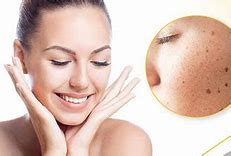
Skin cancer screening involves regular examinations by a healthcare professional to identify signs of skin cancer in its earliest stages. Awareness during all age groups is crucial for early detection and successful treatment outcomes.
- Symptoms: Pay attention to changing moles or new growths; irregular borders or varied color are concerning signs.
- Causes: Ultraviolet (UV) light exposure remains one of the primary risk factors contributing to skin cancer development.
PSORIASIS
Psoriasis is an autoimmune disease that leads to the rapid growth of skin cells, resulting in thick red patches covered with silvery scales. This condition can develop at any age and has a significant impact on one's lifestyle.
- Symptoms: Symptoms often include itchy or painful lesions typically found on elbows, knees, scalp, and lower back.
- Causes: Genetic predisposition and immune system dysfunction are primary contributors to its development.
- Diagnosis: A dermatologist diagnoses psoriasis through physical examination; sometimes a biopsy may be required for confirmation.
- Treatment options: Options range from topical treatments to phototherapy and systemic medications aimed at controlling flare-ups.
- What to expect: While psoriasis is chronic with no cure, effective treatment plans can significantly reduce flare-ups and improve skin appearance over time.
An ongoing relationship with your dermatologist can help manage this lifelong condition effectively.
ECZEMA
Eczema is a chronic inflammatory skin condition characterized by dry, itchy patches. Its persistence can be challenging for those affected across different life stages.
- Symptoms: Common symptoms include red or brownish-gray patches on the skin that may itch intensely.
- Causes: This condition can stem from genetic factors and environmental triggers such as allergens or irritants.
- Diagnosis: Dermatologists diagnose eczema based on clinical evaluation of symptoms and medical history.
- Treatment options: Management includes topical corticosteroids, moisturizers, and lifestyle modifications to avoid known triggers.
- What to expect: With consistent treatment regimens, many individuals find significant relief from symptoms over time.
A personalized management plan can greatly enhance quality of life for those suffering from this condition.
ACNE
Acne is a common skin condition that affects people of various age groups, particularly adolescents and young adults. It occurs when hair follicles become clogged with oil and dead skin cells.
- Symptoms: These can include pimples, blackheads, whiteheads, and in severe cases, cysts.
- Causes: Factors such as hormonal changes, diet, stress, and excessive oil production contribute to the development of acne.
- Diagnosis: A dermatologist typically conducts a physical examination of the skin to evaluate the severity of the condition.
- Treatment options: Management may include topical treatments, oral medications, or therapeutic procedures like chemical peels and laser therapy.
- What to expect: Treatment duration varies; many patients experience improvement within weeks but must maintain care for long-lasting results.
With proper management strategies tailored to individual needs, acne can be effectively controlled and treated.