
Dr. Parminder kair
About Me
Dr. Parminder kair
MD
Podiatrist
10 Years Experience
Biography
My Clinic
OPD Hours
| Monday | Morning | 10:00 AM | - | 02:00 PM |
| Evening | 06:00 PM | - | 09:00 PM | |
| Tuesday | Morning | 10:00 AM | - | 02:00 PM |
| Evening | 06:00 PM | - | 09:00 PM | |
| Wednesday | Morning | 10:00 AM | - | 02:00 PM |
| Evening | 06:00 PM | - | 09:00 PM | |
| Thursday | Morning | 10:00 AM | - | 02:00 PM |
| Evening | 06:00 PM | - | 09:00 PM | |
| Friday | Morning | 10:00 AM | - | 02:00 PM |
| Evening | 06:00 PM | - | 09:00 PM | |
| Saturday | Morning | 10:00 AM | - | 02:00 PM |
| Evening | 06:00 PM | - | 09:00 PM | |
| Sunday | Morning | 10:00 AM | - | 02:00 PM |
| Evening | 06:00 PM | - | 09:00 PM |
Treatments
Specialised care and treatments offered
MORTON'S NEUROMA
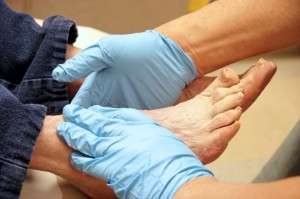
This condition involves nerve compression between toes—typically between the third and fourth toes—resulting in sharp pain or tingling sensations. Often aggravated by tight footwear or high heels, recognizing symptoms early aids effective management before it escalates into persistent discomfort throughout your day-to-day activities!
- Common symptoms comprise burning sensations or numbness felt especially when standing.
- During diagnosis: expect both physical assessments alongside diagnostic imaging procedures utilized mainly for exclusion purposes regarding more serious conditions such as fractures.
- Initial treatments include changing footwear choices towards roomier designs combined with corticosteroid injections targeting inflammation around affected nerves if required later on after conservative methods fail .
- Avoiding certain movements during recovery ensures improvement as part of expected care encompasses gradual returns back into regular routines .
Adhering diligently improves prognosis significantly allowing resumption towards pre-condition comfort levels!
INGROWN TOENAILS
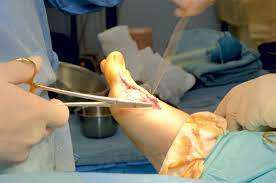
An ingrown toenail occurs when one edge of a toenail grows into the surrounding skin, leading to pain and potential infection. This condition can affect anyone but is particularly common among those who wear tight footwear or have curved nails. Understanding treatment options will help alleviate discomfort effectively!
- Painful symptoms may present with redness, swelling around the affected nail area, and sometimes even discharge if infection arises.
- The diagnosis requires careful inspection of the nail structure by your podiatrist along with patient history regarding nail trimming practices & shoe usage.
- Treatment options include soaking feet in warm water for relief; however, severe cases might necessitate partial nail removal under local anesthesia to prevent recurrence.
- It’s essential to maintain proper nail hygiene post-treatment while considering suitable footwear choices going forward.
With diligent attention post-treatment, most patients find relief quickly while reducing future risks.
BUNIONS
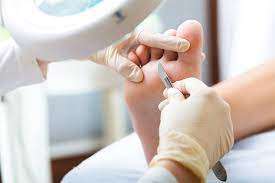
Bunions are bony protrusions at the base of the big toe joint that develop over time due to misalignment of bones. They can cause significant discomfort during footwear wear. Early recognition of bunions can facilitate timely interventions that prevent further complications.
- The most notable symptoms include a visibly enlarged joint and localized pain that worsens with pressure from shoes.
- A podiatrist will assess bunion formation through physical examination and may utilize imaging tests for comprehensive evaluation.
- Treatment options usually comprise custom orthotics aimed at alleviating pressure as well as medications for pain relief; surgical solutions are considered for severe deformities only after conservative treatments fail.
- Post-treatment expectations vary based on severity but typically involve temporary changes in activity levels until healing occurs fully.
A proactive approach towards bunion care can lead to improved foot health and quality of life!
ACHILLES TENDONITIS
A common ailment among runners and active individuals, Achilles tendonitis is an overuse injury leading to pain along the back of the leg near the heel. It often develops gradually but can become debilitating if not addressed promptly. Recognizing early signs is key to effective management.
- Pain typically starts as mild but may escalate with activity; swelling may also occur at the tendon site.
- The diagnosis generally involves a physical examination focusing on tenderness and restricted movement in the tendon area.
- Treatment primarily includes rest from aggravating activities, ice applications, and stretching exercises; advanced cases may require immobilization or surgical intervention.
- Anticipate some downtime for healing before a return to sports or regular activities; following recommended exercises helps prevent future episodes.
Empowering oneself with knowledge about this condition aids significantly in achieving recovery goals.
PLANTAR FASCIITIS
This condition arises from inflammation of the plantar fascia, a thick band of tissue connecting the heel bone to the toes. It's often characterized by sharp heel pain, especially with the first steps after waking up or after prolonged sitting. Understanding this condition can help mitigate its impact on daily life.
- Common causes include excessive running or walking, worn-out shoes, and obesity.
- A thorough evaluation usually includes discussing symptoms and may involve imaging if a more serious condition is suspected.
- Treatment options range from conservative measures like stretching exercises and orthotic devices to corticosteroid injections for more severe pain relief.
- Patients can expect gradual improvement with adherence to treatment recommendations; foot support is crucial for recovery.
With dedicated care strategies in place, individuals can manage their symptoms effectively.
ANKLE SPRAIN
An ankle sprain occurs when the ligaments that support the ankle stretch beyond their limits or tear. This injury is common among athletes and those who engage in physical activities that involve sudden twists or impacts. Immediate care is essential to prevent long-term issues.
- Symptoms of an ankle sprain include swelling, bruising, and pain around the ankle joint.
- The diagnosis typically involves a physical examination and imaging tests like X-rays to rule out fractures.
- Treatment may involve rest, ice application, compression bandages, and elevation (RICE method). In severe cases, physical therapy or surgery might be necessary.
- Expect to follow a rehabilitation plan tailored to restore strength and flexibility once initial healing has occurred.
With proper care, most people recover within a few weeks, returning to normal activities without significant complications.