
Dr. Rajeev Singh
About Me
Dr. Rajeev Singh
MD
Dermatologist
10 Years Experience
Biography
My Clinic
OPD Hours
| Monday | Morning | 10:00 AM | - | 02:00 PM |
| Evening | 06:00 PM | - | 09:00 PM | |
| Tuesday | Morning | 10:00 AM | - | 02:00 PM |
| Evening | 06:00 PM | - | 09:00 PM | |
| Wednesday | Morning | 10:00 AM | - | 02:00 PM |
| Evening | 06:00 PM | - | 09:00 PM | |
| Thursday | Morning | 10:00 AM | - | 02:00 PM |
| Evening | 06:00 PM | - | 09:00 PM | |
| Friday | Morning | 10:00 AM | - | 02:00 PM |
| Evening | 06:00 PM | - | 09:00 PM | |
| Saturday | Morning | 10:00 AM | - | 02:00 PM |
| Evening | 06:00 PM | - | 09:00 PM | |
| Sunday | Morning | 10:00 AM | - | 02:00 PM |
| Evening | 06:00 PM | - | 09:00 PM |
Treatments
Specialised care and treatments offered
ACNE SCAR REVISION
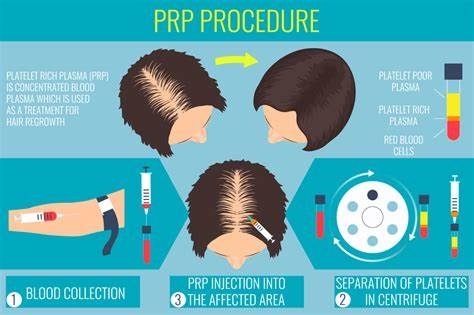
The management of acne scars involves several techniques aimed at reducing their visibility after active breakouts have healed. Various methods are employed based on scar type and patient preference..
- Scars seen: Depressed or raised marks left behind after severe acne episodes affecting self-esteem levels significantly.
- Diagnostic focus: Evaluation considers depth/type of scar during initial consultation determining best revision method available.
- Treatment approaches include: Laser therapy injections dermal fillers chemical resurfacing procedures depending upon individual circumstances involved.
- Caring post-procedure: Adequate care including moisturizing sunscreen application prevents further complications aids smoothening effects achieved through revision techniques recommended by professionals involved throughout process.< / stro ng >
PSORIASIS TREATMENT
This chronic autoimmune condition leads to rapid skin cell production resulting in thickened patches covered with silvery scales. Managing psoriasis involves multiple treatment strategies tailored to individual symptoms and severity levels..
- Symptoms: Red patches of itchy skin covered with silvery scales; discomfort experienced during flare-ups.
- Diagnosis: Involves a physical examination followed by potential biopsy if diagnosis is uncertain.
- Treatment options: Topical treatments, phototherapy, systemic medications may be used depending on severity.
- Management strategies: Regular moisturizing combined with lifestyle adjustments help control flare-ups effectively.
- What to expect: Improvement in appearance over time; however, ongoing management is essential due to its recurring nature.
Successful management of psoriasis allows individuals greater control over their symptoms while improving overall quality of life.
EXCISIONAL SURGERY
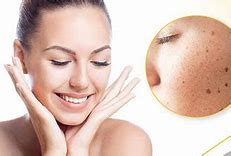
This surgical procedure involves excising (cutting out) suspicious moles or lesions from the skin. It's often recommended for potentially cancerous growths needing pathology evaluation post-removal.
- Main symptoms: Changes in existing moles or new growths show irregular borders or colors can indicate the need for removal.
CHEMICAL PEELS
Chemical peels are used to enhance the texture and appearance of the skin by applying a solution that causes controlled exfoliation. This treatment can address various issues from acne scars to sun damage.
- Symptoms addressed: Dull complexion, fine lines, uneven pigmentation, or acne scars present on the skin surface.
- Diagnosing suitability: A skin assessment determines the appropriate strength of peel required based on individual needs.
- Treatment options available: Light, medium, or deep peels can be performed depending on desired results and recovery time preferences.
- Caring post-treatment: Patients are advised to moisturize regularly and protect their skin from sun exposure following a peel for optimal healing.
Chemical peels can result in visibly clearer and more youthful-looking skin when performed correctly under professional guidance.
MOHS MICROGRAPHIC SURGERY
This specialized surgical technique is designed for removing cancerous skin lesions while preserving as much healthy tissue as possible. Mohs surgery is highly effective in treating non-melanoma skin cancers.
- Symptoms: Presence of abnormal growths or sores that do not heal properly.
- Diagnosis: A thorough examination and biopsy confirm the diagnosis prior to surgery.
- Treatment process: The procedure involves removing cancerous cells layer by layer, with immediate microscopic evaluation of each layer.
- Coping mechanism: Local anesthesia is used, ensuring patient comfort throughout the surgical process.
- The outcome: High success rates in eliminating cancer cells while minimizing scarring make this an excellent choice for many patients.
This innovative approach ensures thorough treatment while maintaining cosmetic results, making it a preferred option among dermatologists.
LASER HAIR REMOVAL
Laser hair removal is a popular cosmetic procedure that uses concentrated light beams to eliminate unwanted hair. It's an effective solution for those looking for long-term hair reduction with minimal discomfort.
- Symptoms: Unwanted hair growth on various body parts, leading to self-consciousness.
- Diagnosis: A consultation helps determine skin type and hair characteristics, ensuring the best approach.
- Treatment options: Multiple sessions are typically needed, and patients may opt for topical anesthetics for comfort.
- Management: Post-treatment care includes avoiding sun exposure and following skin care guidelines to prevent irritation.
- What to expect: Patients can expect a gradual reduction in hair thickness and density over time, achieving smoother skin.
This procedure is suitable for various skin types and offers significant improvements in comfort and confidence.