
Dr. Reena kumari
About Me
Dr. Reena kumari
MS
Ophthalmologist
10 Years Experience
Biography
My Clinic
OPD Hours
| Monday | Morning | 10:00 AM | - | 02:00 PM |
| Evening | 06:00 PM | - | 09:00 PM | |
| Tuesday | Morning | 10:00 AM | - | 02:00 PM |
| Evening | 06:00 PM | - | 09:00 PM | |
| Wednesday | Morning | 10:00 AM | - | 02:00 PM |
| Evening | 06:00 PM | - | 09:00 PM | |
| Thursday | Morning | 10:00 AM | - | 02:00 PM |
| Evening | 06:00 PM | - | 09:00 PM | |
| Friday | Morning | 10:00 AM | - | 02:00 PM |
| Evening | 06:00 PM | - | 09:00 PM | |
| Saturday | Morning | 10:00 AM | - | 02:00 PM |
| Evening | 06:00 PM | - | 09:00 PM | |
| Sunday | Morning | 10:00 AM | - | 02:00 PM |
| Evening | 06:00 PM | - | 09:00 PM |
Treatments
Specialised care and treatments offered
AGE-RELATED MACULAR DEGENERATION (AMD) EVALUATION
Age-related macular degeneration is a significant cause of central vision loss among older adults. Recognizing its symptoms early can lead to timely interventions that slow disease progression or improve visual function for better quality living experiences regardless of age-related changes in eyesight.
- Early signs include blurred central vision or blind spots that complicate daily tasks like reading or recognizing faces.
- Diagnosis requires comprehensive dilated eye examinations accompanied by imaging tests such as Optical Coherence Tomography (OCT) that assess retinal layers closely identifying any abnormal fluid accumulation indicative of AMD onset progression.
- While there are no cures available supportive therapies exist including vitamin supplementation dietary adjustments photodynamic therapy targeting leakages from abnormal blood vessels might also be suggested while yielding favorable outcomes over time depending on individual responses .
Early detection remains key emphasizing routine screenings among seniors ensuring prompt response mechanisms during various stages ensuring sustained health over years maintaining overall well-being where possible .
GLAUCOMA MANAGEMENT
Glaucoma represents a group of eye diseases leading to optic nerve damage often caused by high intraocular pressure. Early detection is vital as it prevents irreversible vision loss associated with this progressive condition.
- The spectrum of symptoms, especially in its early stages, may be minimal; thus regular eye exams are crucial for at-risk individuals such as those with family histories of glaucoma.
- An ophthalmologist will perform several tests including tonometry (to measure pressure) and visual field testing during diagnosis assessments.
- Treatment generally includes prescription eye drops aimed at lowering eye pressure or procedural options like laser treatments if necessary to manage advanced cases effectively over time.
If monitored correctly through regular evaluations, individuals living with glaucoma can maintain their quality of life while managing their condition successfully.
DRY EYE TREATMENT
Dry eye syndrome occurs when tears cannot provide adequate lubrication for the eyes. This common issue can lead to discomfort and complications if not properly addressed. Timely intervention is crucial in managing symptoms effectively.
- Main symptoms include dryness, itching, burning sensations, or excessive tearing as a response to irritation.
- A comprehensive assessment involving patient history discussion and tear production evaluation aids in diagnosis. Additional tests might include checking tear break-up time via specialized staining techniques.
- Treatment options range from artificial tears for mild cases to prescription medications or punctal plugs for more severe symptoms that help retain moisture in the eyes.
A personalized treatment plan can significantly improve quality of life by alleviating discomfort associated with dry eyes over time.
PTERYGIUM REMOVAL
Pterygium is a growth on the conjunctiva that can extend onto the cornea. Though benign, it can cause discomfort and affect vision as it grows. Treatment is essential for symptomatic relief and aesthetic reasons.
- The primary symptom includes redness, irritation, or a visible growth on the eye surface which may obstruct vision if left untreated.
- A thorough examination by an ophthalmologist helps diagnose the condition and assess its severity through visual acuity tests and observation of ocular surface characteristics.
- Surgical removal is often recommended when symptoms affect daily life; techniques have evolved for better outcomes with less recurrence of growth post-surgery.
- The recovery period varies but typically involves a few weeks where patients experience improved comfort and cosmetic appearance of their eyes.
With appropriate management, most individuals find relief from pterygium symptoms post-procedure.
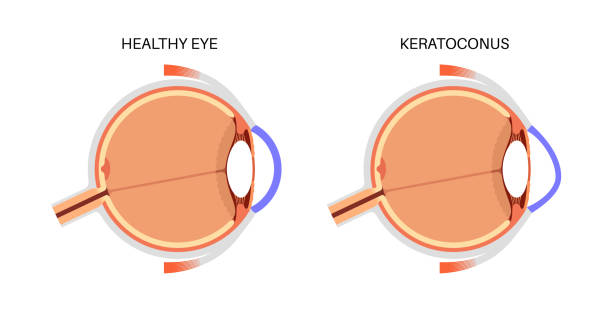
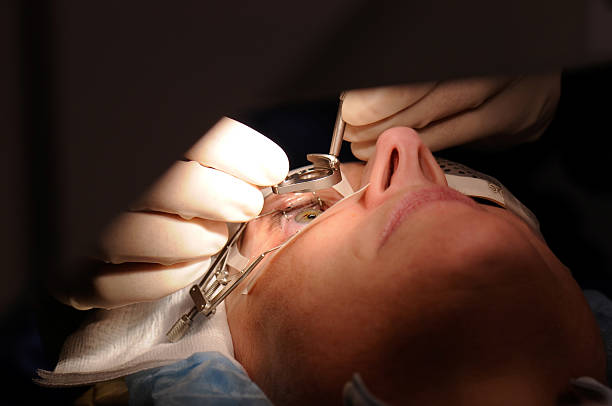
LASER VISION CORRECTION (LASIK)
Laser vision correction procedures like LASIK aim to reduce dependence on glasses or contact lenses by reshaping the cornea. This option is popular among adults seeking freedom from corrective eyewear.
- Common symptoms that lead individuals to seek this treatment include blurry vision at various distances.
- The diagnostic process includes measuring corneal thickness and mapping the cornea for optimal laser application.
- Treatment involves using a laser to reshape the cornea, providing clearer vision almost immediately for many patients.
- Expect minimal discomfort during the procedure, with results becoming noticeable within hours of completion.
- A follow-up appointment ensures proper healing and monitors for potential complications, though these are rare.
This minimally invasive approach can significantly enhance lifestyle by improving visual acuity without dependence on corrective lenses.
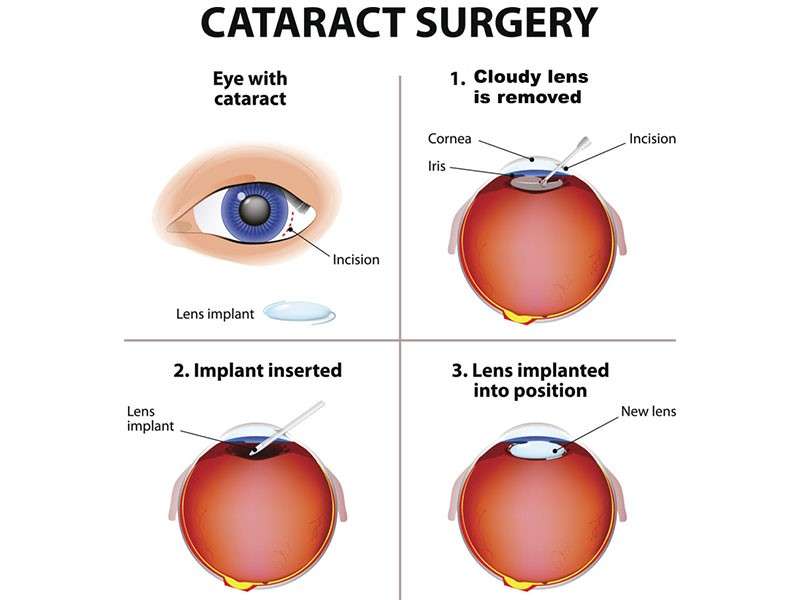
CATARACT SURGERY
Cataract surgery is a common procedure aimed at restoring vision lost due to cloudy lenses. This condition typically affects older adults but can also occur due to injury or medical conditions like diabetes.
- Symptoms often include blurred or double vision, glare from lights, and difficulty in night driving.
- Diagnosis commonly involves a comprehensive eye exam that assesses visual acuity and evaluates the lens's clarity.
- Treatment primarily consists of surgical intervention to replace the cloudy lens with a clear artificial one, known as an intraocular lens (IOL).
- Patients can expect a quick recovery time, with many experiencing improved vision within days.
- Post-operative care may involve follow-up visits and the use of prescribed eye drops to facilitate healing.
This procedure is typically safe and effective, leading to significant improvements in patients' quality of life.