
Dr. Renu kumari
About Me
Dr. Renu kumari
MS
Ophthalmologist
10 Years Experience
Biography
My Clinic
OPD Hours
| Monday | Morning | 10:00 AM | - | 02:00 PM |
| Evening | 06:00 PM | - | 09:00 PM | |
| Tuesday | Morning | 10:00 AM | - | 02:00 PM |
| Evening | 06:00 PM | - | 09:00 PM | |
| Wednesday | Morning | 10:00 AM | - | 02:00 PM |
| Evening | 06:00 PM | - | 09:00 PM | |
| Thursday | Morning | 10:00 AM | - | 02:00 PM |
| Evening | 06:00 PM | - | 09:00 PM | |
| Friday | Morning | 10:00 AM | - | 02:00 PM |
| Evening | 06:00 PM | - | 09:00 PM | |
| Saturday | Morning | 10:00 AM | - | 02:00 PM |
| Evening | 06:00 PM | - | 09:00 PM | |
| Sunday | Morning | 10:00 AM | - | 02:00 PM |
| Evening | 06:00 PM | - | 09:00 PM |
Treatments
Specialised care and treatments offered
RETINAL DETACHMENT REPAIR
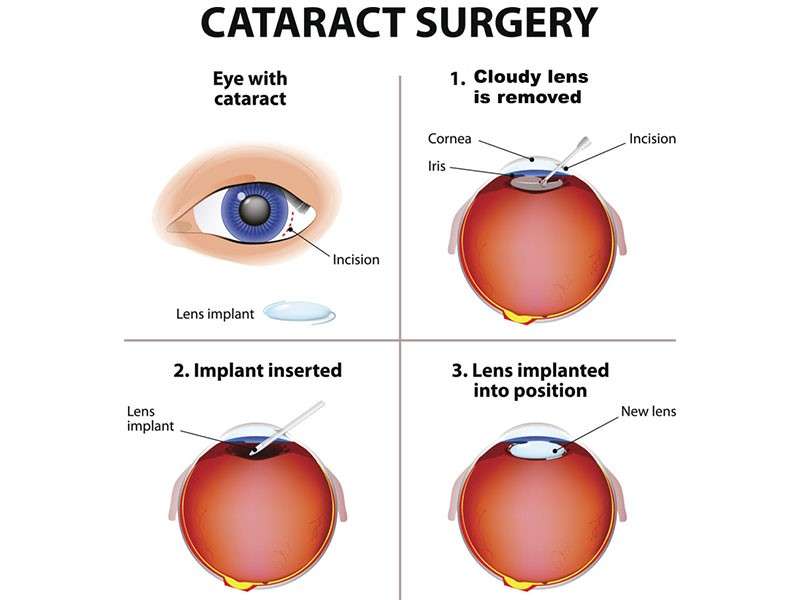
This serious condition involves separation of the retina from its underlying tissue. If not promptly treated, it can result in permanent vision loss. Understanding warning signs is critical!
- Symptoms may include sudden appearance of floaters or flashes along with a shadow over your field of vision!
- Diagnosis entails thorough examination using dilated pupil techniques where careful observation reveals detachment details!
- Management typically necessitates surgical interventions like pneumatic retinopexy or scleral buckling aimed at reattaching the retina!
- Post-operative follow-up ensures recovery progress while monitoring any potential complications that could arise!
Prompt action when experiencing symptoms related to retinal detachment dramatically enhances chances for restoring optimal sight effectively!
DRY EYE SYNDROME RELIEF
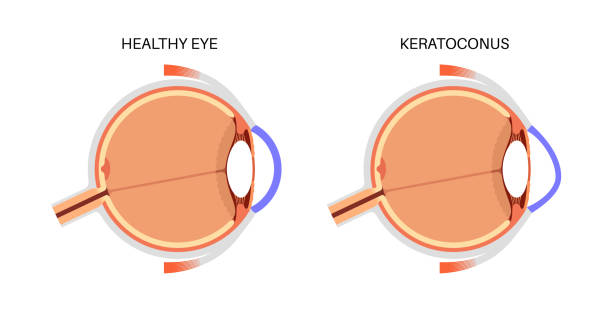
This common condition arises when tears cannot adequately lubricate the eyes. Symptoms often interfere with daily activities due to discomfort caused by dryness or irritation—and understanding its management is vital for maintaining quality of life!
- You might experience symptoms ranging from scratchiness or burning sensations to redness and excessive tearing as a response to irritation.
- A thorough assessment involving symptom questionnaires and tear production tests aids in accurate diagnosis!
- The treatment plan may encompass artificial tears, prescription medications that increase tear production, or lifestyle adjustments like using humidifiers in dry environments!
- Regular follow-up appointments ensure effectiveness of treatments so adjustments can be made as necessary!
Seeking prompt evaluation if you suspect dry eyes contributes significantly towards alleviating discomfort over time!
MACULAR DEGENERATION CARE
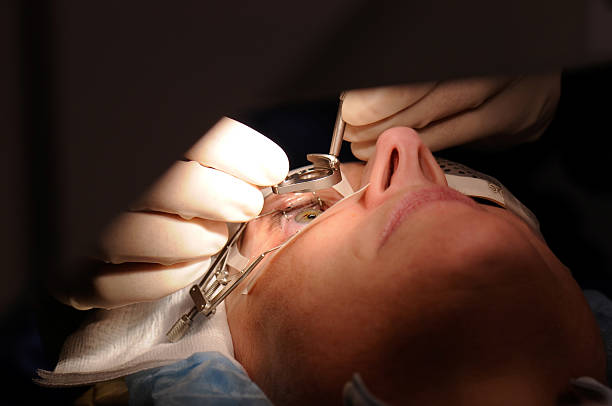
Aging is a significant factor contributing to macular degeneration (AMD), which affects central vision critical for tasks like reading. This progressive condition primarily impacts older adults but awareness and management are key elements in slowing its progression.
- Main symptoms include central vision loss and distorted images while side vision usually remains intact.
- Diagnosis involves retinal imaging tests that assess changes in the macula region.
- Treatments vary; anti-VEGF injections are common for wet AMD types while nutritional supplements may be advised for dry AMD forms.
- Pursuing lifestyle changes such as diet improvement may help mitigate risk factors associated with further degeneration.
An informed care strategy under an ophthalmologist’s guidance can greatly contribute towards maintaining visual function effectively over time.
DIABETIC RETINOPATHY TREATMENT
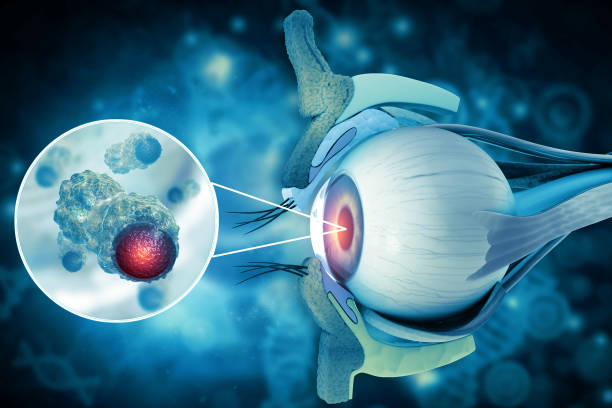
This condition arises from diabetes-related damage to blood vessels in the retina. Diabetic retinopathy can lead to severe visual impairment if left untreated, making early detection vital for preserving eyesight.
- Common symptoms include blurred vision, floaters, and dark areas in your vision.
- The diagnosis is made through retinal examinations that look for abnormalities in blood vessels and macula swelling.
- Treatment options may involve laser therapy, which helps seal leaking blood vessels or reduce swelling around the macula.
- Sustained management of blood sugar levels alongside regular check-ups offers the best chance at preventing progression of this condition.
If you have diabetes, it's essential to have routine eye exams to catch any signs of diabetic retinopathy early on for better treatment outcomes.
GLAUCOMA MANAGEMENT
Glaucoma is an eye disorder characterized by increased intraocular pressure that can damage the optic nerve and lead to vision loss. Often referred to as the 'silent thief of sight,' it may not present symptoms until significant damage has occurred.
- The primary symptoms include peripheral vision loss and blind spots. Risk factors consist of age, family history, and specific medical conditions like diabetes.
- A comprehensive eye exam including tonometry helps in detection.
- Treatment usually includes medications, such as eye drops aimed at lowering eye pressure, but may also require surgical procedures for advanced cases.
- Continued monitoring is crucial for effective management to preserve vision over time.
A proactive approach with regular screenings can notably enhance outcomes for individuals at risk of glaucoma.
CATARACT SURGERY
Cataracts are a common eye condition that occurs when the lens of the eye becomes cloudy, leading to vision impairment. This progressive disease can develop slowly, affecting your ability to read, drive, or see colors clearly.
- Symptoms include blurred vision, sensitivity to light, and difficulty seeing at night.
- Diagnosis typically involves a comprehensive eye exam that tests visual acuity and evaluates any changes in the lens.
- Treatment options often consist of surgical intervention, where the cloudy lens is replaced with a clear artificial lens.
- After surgery, most patients experience significant improvements in their vision and can resume normal activities quickly.
- Regular follow-ups are essential to monitor healing and overall ocular health.
If you suspect cataracts, early evaluation by an ophthalmologist can help maintain your quality of life through timely intervention.