
Dr. Rosie
About Me
Dr. Rosie
MBBS
Obstetrician
10 Years Experience
Biography
My Clinic
OPD Hours
| Monday | Morning | 10:00 AM | - | 02:00 PM |
| Evening | 06:00 PM | - | 09:00 PM | |
| Tuesday | Morning | 10:00 AM | - | 02:00 PM |
| Evening | 06:00 PM | - | 09:00 PM | |
| Wednesday | Morning | 10:00 AM | - | 02:00 PM |
| Evening | 06:00 PM | - | 09:00 PM | |
| Thursday | Morning | 10:00 AM | - | 02:00 PM |
| Evening | 06:00 PM | - | 09:00 PM | |
| Friday | Morning | 10:00 AM | - | 02:00 PM |
| Evening | 06:00 PM | - | 09:00 PM | |
| Saturday | Morning | 10:00 AM | - | 02:00 PM |
| Evening | 06:00 PM | - | 09:00 PM | |
| Sunday | Morning | 10:00 AM | - | 02:00 PM |
| Evening | 06:00 PM | - | 09:00 PM |
Treatments
Specialised care and treatments offered
FERTILITY TREATMENTS

Assisted reproductive technology (ART) encompasses various fertility treatments aimed at helping couples conceive when faced with challenges. These procedures range from medication-based approaches to complex surgical interventions designed for efficient outcomes depending upon individual circumstances
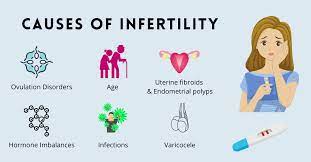
- The causes of infertility could stem from hormonal imbalances, anatomical complexities within reproductive systems or even age-associated factors that require tailored management approaches accordingly
- Diagnosis usually includes comprehensive assessments involving hormone level checks alongside semen analysis evaluating male partner contributions where applicable
- Treatment options vary widely; they may involve medications stimulating ovulation alongside intrauterine insemination (IUI), more advanced techniques like In Vitro Fertilization (IVF), donor eggs/sperm utilization depending upon patient preferences/medical necessity
Seeking ART increases chances significantly but having realistic expectations coupled with ongoing support mechanisms ensures hopeful experiences through challenging journeys towards parenthood .
AMNIOCENTESIS
Amniocentesis is a diagnostic procedure used during pregnancy to obtain amniotic fluid for testing. It can provide critical information about fetal health and genetic conditions early on in gestation.
- This test may be recommended if there are concerns about chromosomal abnormalities or genetic disorders based on family history or previous tests results such as ultrasounds showing anomalies.
- The process entails using a thin needle inserted through abdominal tissue into the amniotic sac under ultrasound guidance; it typically takes place between weeks 15-20 of pregnancy for optimal results.
- The fluid collected contains fetal cells that can then be analyzed for potential issues like Down syndrome or cystic fibrosis among others, providing vital information regarding fetal well-being prior to birth
An amniocentesis not only aids parents in preparing for their child's needs but also aids healthcare providers in planning appropriate follow-up care if necessary based on test findings
TUBAL LIGATION
Tubal ligation is a permanent contraceptive procedure wherein a woman’s fallopian tubes are surgically blocked or sealed. This prevents eggs from reaching the uterus for fertilization.
- This method is typically chosen by women who are sure they do not want children in the future due to personal circumstances or medical reasons.
- The procedure can often be performed laparoscopically under general anesthesia with minimal recovery time needed thereafter.
- Possible side effects include changes in menstrual cycles but no long-term impact on overall health has been observed in most patients following surgery.
This surgical approach provides peace of mind about unintended pregnancies while allowing normal sexual function without disruption afterwards.
HYSTERECTOMY
A hysterectomy involves surgically removing the uterus and may also include removal of surrounding structures like ovaries or fallopian tubes. This procedure is often performed for various gynecological conditions.
- This surgery might be indicated due to conditions such as uterine fibroids, endometriosis, or cancer.
- Diagnosis usually involves imaging tests such as ultrasounds or MRIs along with pelvic examinations to assess symptoms accurately.
- Recovery from hysterectomy may take several weeks, requiring appropriate post-operative care and monitoring for any potential complications.
- Pain management strategies are implemented during recovery along with guidance on physical activity limitations during healing.
A hysterectomy can significantly improve quality of life for those suffering from severe pelvic conditions when less invasive treatments aren't effective.
ECTOPIC PREGNANCY TREATMENT
An ectopic pregnancy occurs when a fertilized egg implants outside the uterus, often in a fallopian tube. This condition can lead to serious complications if not treated promptly.
- Symptoms may include abdominal pain, irregular bleeding, and signs of shock if there is internal bleeding.
- A pelvic exam or ultrasound can be used to diagnose an ectopic pregnancy accurately.
- Treatment options depend on the situation; medication like methotrexate may be prescribed or surgery may be required in more severe cases.
- Follow-up appointments are crucial to monitor recovery and future fertility considerations.
Prompt treatment is key to managing an ectopic pregnancy effectively and safeguarding reproductive health.
CESAREAN SECTION
A cesarean section, commonly known as a C-section, is a surgical procedure used to deliver a baby through incisions in the abdomen and uterus. This method is often necessary when a vaginal delivery poses risks to the mother or child.
- Indications for C-section include fetal distress, multiple pregnancies, or when the baby is in an abnormal position.
- Diagnosis typically involves ultrasound and monitoring of the mother’s and baby's health status.
- Management options after a C-section may include pain relief medications, wound care, and gradual return to normal activities.
- The recovery period varies but generally involves staying in the hospital for a few days while healing progresses.
- Post-operative care is essential for preventing complications such as infections or heavy bleeding.
C-sections can be life-saving procedures that help ensure the safety of both mother and child.