
Dr. S.A
About Me
Dr. S.A
MS
Ayurveda
10 Years Experience
Biography
My Clinic
OPD Hours
| Monday | Morning | 10:00 AM | - | 02:00 PM |
| Evening | 06:00 PM | - | 09:00 PM | |
| Tuesday | Morning | 10:00 AM | - | 02:00 PM |
| Evening | 06:00 PM | - | 09:00 PM | |
| Wednesday | Morning | 10:00 AM | - | 02:00 PM |
| Evening | 06:00 PM | - | 09:00 PM | |
| Thursday | Morning | 10:00 AM | - | 02:00 PM |
| Evening | 06:00 PM | - | 09:00 PM | |
| Friday | Morning | 10:00 AM | - | 02:00 PM |
| Evening | 06:00 PM | - | 09:00 PM | |
| Saturday | Morning | 10:00 AM | - | 02:00 PM |
| Evening | 06:00 PM | - | 09:00 PM | |
| Sunday | Morning | 10:00 AM | - | 02:00 PM |
| Evening | 06:00 PM | - | 09:00 PM |
Treatments
Specialised care and treatments offered
MEDITATION TECHNIQUES
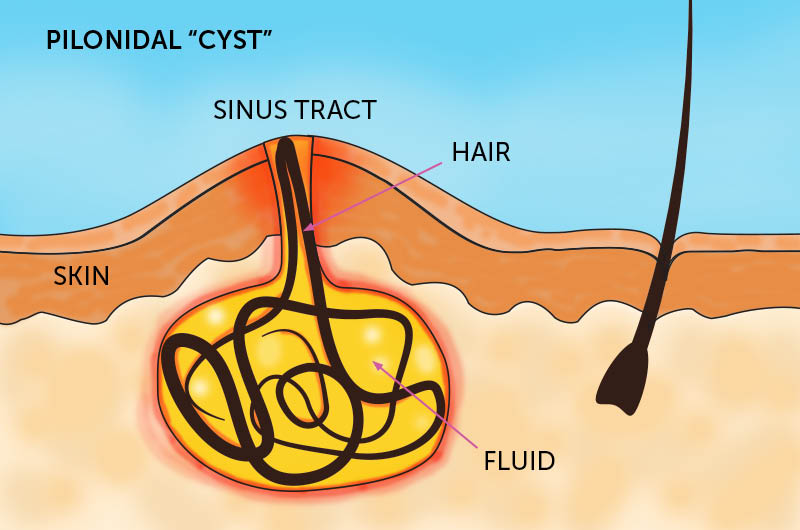
Meditation techniques rooted in Ayurveda are essential for achieving mental clarity and emotional stability. These practices facilitate self-awareness while enabling individuals to connect deeply with their inner selves.
().(- (
ABHYANGA
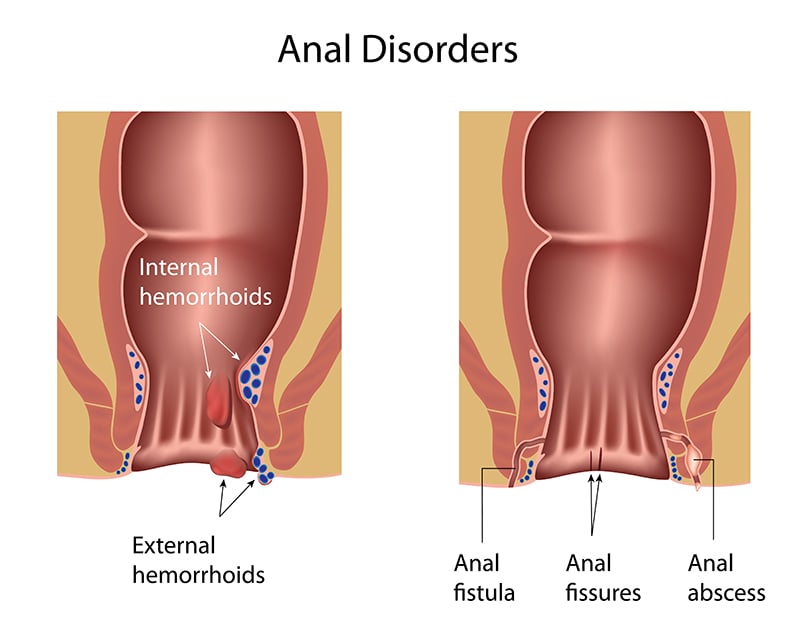
The ancient practice of Abhyanga is a form of Ayurvedic massage that utilizes warm oils infused with herbs. This therapeutic treatment aims at nourishing the body's tissues while promoting relaxation and revitalization
.- :
YOGA THERAPY
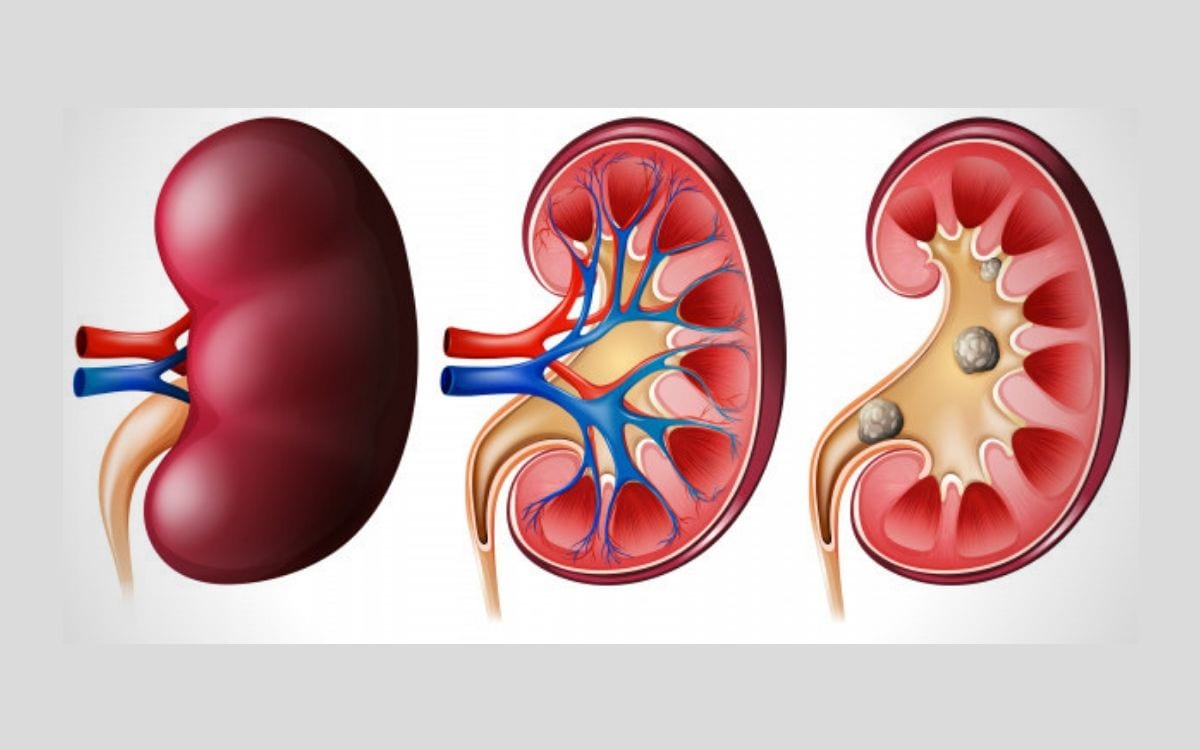
Ayurvedic yoga therapy combines physical postures with breath control to foster both mental and physical health. This practice is tailored to harmonize the mind-body connection and cultivate inner peace.
- Symptoms: Stress-related disorders or chronic pain often indicate an imbalance that yoga therapy can help address.
- Diagnosis: An assessment explores emotional state and physical limitations to develop a personalized yoga routine suited for the individual’s needs.
- Treatment/Management: Techniques may involve specific asanas (postures), pranayama (breath work), and meditation that focus on aligning energies within the body.
- What to expect:: Regular practice leads to improved flexibility, reduced stress levels, and increased clarity of mind over time.
HERBAL REMEDIES
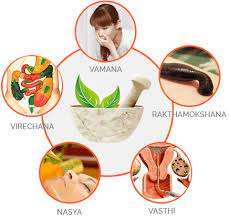
The use of herbal remedies in Ayurveda embodies a natural way to support health and treat ailments effectively. These plant-based solutions harness the healing properties of various herbs tailored to individual needs.
- Symptoms: Conditions like anxiety, inflammation, or chronic pain may benefit from targeted herbal interventions.
- Diagnosis: An Ayurveda specialist evaluates one's dosha imbalance and overall health status before recommending specific herbs.
- Treatment/Management: Options might include powders, tablets, or teas made from healing botanicals prescribed for their specific benefits.
- What to expect: Over time, patients often experience symptom relief alongside enhanced well-being and vitality from consistent use of these remedies.
The integration of herbal remedies into daily life can promote resilience against common ailments while enhancing quality of life.
DIETARY CONSULTATION
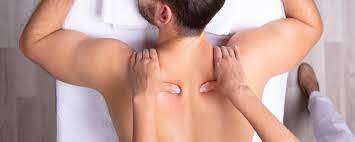
Ayurvedic dietary consultation plays a vital role in maintaining health through personalized nutrition. It emphasizes balancing the body's energies by selecting appropriate foods based on individual constitution.
- Symptoms: Unhealthy eating habits can lead to weight gain, gastrointestinal issues, or mood swings.
- Diagnosis: A detailed assessment of lifestyle, preferences, and digestive capacity helps in crafting a suitable diet plan.
- Treatment/Management: Recommendations may include specific food choices, cooking methods, and daily routines that align with one's health goals.
- What to expect: Patients will notice improvements in digestion, energy levels, and overall vitality as they adhere to the suggested dietary guidelines.
This approach not only addresses current issues but also promotes long-term health through mindful eating practices.
PANCHAKARMA
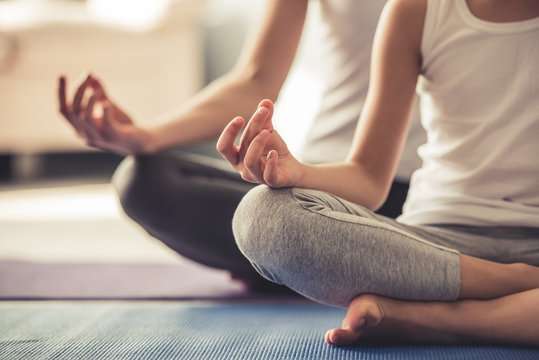
Panchakarma is an ancient Ayurvedic detoxification process designed to cleanse the body of toxins and restore balance. This holistic approach addresses various health issues and promotes overall well-being.
- Symptoms: Individuals may experience fatigue, digestive disturbances, or skin problems indicating an accumulation of toxins.
- Diagnosis: An Ayurvedic practitioner assesses the individual's constitution (dosha) and symptoms to tailor a specific Panchakarma regimen.
- Treatment/Management: The procedure typically involves five therapeutic actions such as Vamana (therapeutic vomiting) and Basti (enema therapy), customized for each person.
- What to expect: Patients can anticipate improved energy levels, rejuvenation, and enhanced immunity post-treatment.
Panchakarma not only alleviates symptoms but also fosters a deep sense of relaxation and well-being.