
Dr. S.Manchanda
About Me
Dr. S.Manchanda
MD
Infectious disease specialists
10 Years Experience
Biography
My Clinic
OPD Hours
| Monday | Morning | 10:00 AM | - | 02:00 PM |
| Evening | 06:00 PM | - | 09:00 PM | |
| Tuesday | Morning | 10:00 AM | - | 02:00 PM |
| Evening | 06:00 PM | - | 09:00 PM | |
| Wednesday | Morning | 10:00 AM | - | 02:00 PM |
| Evening | 06:00 PM | - | 09:00 PM | |
| Thursday | Morning | 10:00 AM | - | 02:00 PM |
| Evening | 06:00 PM | - | 09:00 PM | |
| Friday | Morning | 10:00 AM | - | 02:00 PM |
| Evening | 06:00 PM | - | 09:00 PM | |
| Saturday | Morning | 10:00 AM | - | 02:00 PM |
| Evening | 06:00 PM | - | 09:00 PM | |
| Sunday | Morning | 10:00 AM | - | 02:00 PM |
| Evening | 06:00 PM | - | 09:00 PM |
Treatments
Specialised care and treatments offered
VIRAL PNEUMONIA CARE
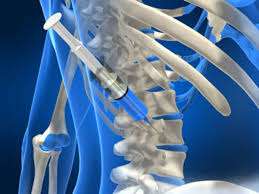
Pneumonia caused by viral infections can range from mild cases requiring outpatient care to severe instances needing hospitalization. Understanding the signs enables prompt medical attention。
- The initial symptoms often resemble those of influenza: cough, fever, chills, muscle aches or shortness of breath may occur rapidly.
- Diagnosis usually relies on medical history assessments alongside chest x-rays or lab testing technologies like PCR that identify viral pathogens .
- Supportive care priorities generally involve rest , fluid intake , oxygen therapy if needed along with antiviral medications depending on causative agents like influenza viruses .
- Preventing complications rests upon adherence protocols specified by healthcare providers during recovery phases .
- The prognosis varies; while most recover fully within weeks some patients may face lingering lung issues leading into chronic respiratory conditions later down line .
Through effective monitoring routes viral pneumonia becomes manageable ultimately enhancing quality life levels post-infection .
ZIKA VIRUS ASSESSMENT
Zika virus infection has become a notable public health issue due to its association with neurological complications. Awareness about symptoms is essential for early detection and intervention。
- Main signs may include mild fever, rash, joint pain, or conjunctivitis; however many cases are asymptomatic making vigilance important
- Diagnosis is confirmed through specific laboratory testing that detects Zika virus RNA or antibodies in blood samples .
- Currently , there’s no specific antiviral treatment available ; instead , management focuses on symptomatic relief through hydration , rest , and over-the-counter pain medications .
- Following travel recommendations during outbreaks is critical for reducing transmission risks .
- While Zika poses risks particularly during pregnancy , educated proactive measures enhance safety during outbreaks .
Staying informed empowers individuals against Zika virus while encouraging healthy practices .
FUNGAL INFECTIONS

Fungal infections can affect various parts of the body and require specific treatments based on their location and severity. Understanding these infections helps in seeking timely care。
- Common symptoms include itchiness, redness, swelling, or unusual discharge depending on the type of infection—like athlete's foot or candidiasis.
- A thorough examination along with certain laboratory tests, like cultures or imaging studies, aids in accurate diagnosis.
- Treatment generally involves antifungal medications; topical creams are often used for skin infections while systemic meds might be necessary for more severe cases
- Regular follow-ups are essential for monitoring treatment efficacy and preventing recurrence.
- Preventive measures such as maintaining good hygiene practices are pivotal in minimizing risk factors.
With proper care , many fungal infections are manageable , leading to complete recovery .
CHRONIC HEPATITIS C MANAGEMENT

The management of chronic Hepatitis C is crucial as it can lead to serious liver complications if left untreated. Awareness of this condition aids in early intervention strategies.
- The primary symptoms may include fatigue, jaundice, dark urine, and abdominal pain over time.
- A diagnosis is often confirmed through blood tests, which assess liver function and the presence of the virus in blood samples.
- Treatment options have evolved significantly and typically involve direct-acting antivirals (DAAs), which offer high cure rates with fewer side effects than older therapies.
- Lifestyle changes such as avoiding alcohol can significantly enhance treatment effectiveness and liver health.
- This condition requires regular monitoring even after successful treatment due to potential long-term effects on liver health.
A proactive approach can effectively manage Hepatitis C, leading to improved health outcomes for patients.
TUBERCULOSIS (TB) TREATMENT

Tuberculosis remains a significant global health concern. Early diagnosis and treatment are key to controlling its spread and ensuring recovery.
- The most common symptoms include persistent cough, fever, night sweats, and weight loss.
- Diagnosis typically involves a combination of x-rays, sputum tests, and skin tests to confirm TB infection.
- Treatment usually consists of an extended course of antibiotics that must be completed to prevent drug resistance.
- Regular follow-up appointments help monitor response to treatment and identify potential side effects.
- It's essential to maintain adherence to the medication regimen for effective management of TB.
With appropriate treatment strategies, TB is highly curable, allowing patients to return to healthy lives.
HIV/AIDS MANAGEMENT

Living with HIV/AIDS requires ongoing medical care and support. Understanding how to manage the condition is crucial for maintaining a healthy life.
- Symptoms can include fatigue, fever, and swollen lymph nodes, among others.
- Diagnosis typically involves blood tests, assessing the presence of antibodies or antigens associated with HIV.
- Treatment options may consist of antiretroviral therapy (ART), which helps control the virus and improves immune function.
- Regular medical check-ups are important to monitor viral load and manage any related health issues.
- A strong support system, including counseling services, plays a vital role in overall well-being.
With proper management, individuals can lead fulfilling lives while living with HIV/AIDS.