
Dr. Sanjeev Saxena
About Me
Dr. Sanjeev Saxena
MBBS
General Physician
10 Years Experience
Biography
My Clinic
OPD Hours
| Monday | Morning | 10:00 AM | - | 02:00 PM |
| Evening | 06:00 PM | - | 09:00 PM | |
| Tuesday | Morning | 10:00 AM | - | 02:00 PM |
| Evening | 06:00 PM | - | 09:00 PM | |
| Wednesday | Morning | 10:00 AM | - | 02:00 PM |
| Evening | 06:00 PM | - | 09:00 PM | |
| Thursday | Morning | 10:00 AM | - | 02:00 PM |
| Evening | 06:00 PM | - | 09:00 PM | |
| Friday | Morning | 10:00 AM | - | 02:00 PM |
| Evening | 06:00 PM | - | 09:00 PM | |
| Saturday | Morning | 10:00 AM | - | 02:00 PM |
| Evening | 06:00 PM | - | 09:00 PM | |
| Sunday | Morning | 10:00 AM | - | 02:00 PM |
| Evening | 06:00 PM | - | 09:00 PM |
Treatments
Specialised care and treatments offered
RESPIRATORY HEALTH CHECK
A respiratory health check is vital for assessing lung function and identifying any underlying diseases such as asthma or chronic obstructive pulmonary disease (COPD). These checks are significant components within comprehensive primary care evaluations aimed at preserving optimal lung capacity over time.
*Some common symptoms indicating possible concerns might include persistent coughs wheezing tightness experienced within chest area abnormal breathing patterns experienced under exertion.*Diagnosing respiratory conditions often requires performing pulmonary function tests along baseline assessments apt tools utilized performed either through spirometry other diagnostic imaging scans revealed track objective data concerning how lungs functioning everyday basis occurs here at home too!Treatment approaches usually vary depending severity involved determining adjustment needs occurring aims including medication education emphasizing inhaler usage amongst controlled environments alike.**Utilizing preventative measures recognized managing exacerbations better enhances living quality assures pathological states stay manageable ensuring favorable prognosis throughout lived experiences* .{nlrs}
VACCINATION UPDATES

Staying updated with vaccinations is essential for preventing various infectious diseases. Immunizations protect not only individual patients but also contribute significantly to community health through herd immunity effects.
- Common vaccines recommended include those against influenza, pneumonia, hepatitis B, measles-mumps-rubella (MMR), among others depending on age and risk factors present in each patient’s background;
Pediatric populations, elderly individuals, travelers abroad—these groups may have specific requirements based on exposure risks which should be discussed openly with your healthcare provider during visits.
ANNUAL PHYSICAL EXAM

An annual physical exam is a comprehensive assessment meant to evaluate overall health status and catch any potential issues early. Routine examinations are vital for maintaining long-term wellness and preventive care practices.
- Your doctor will review your medical history, perform physical evaluations, and assess vital signs such as weight and blood pressure during the visit.
- Certain screenings may be conducted based on age and family history; these could include checks for diabetes or other chronic conditions specific to your demographics.
- Lifestyle factors such as diet, exercise routines, alcohol consumption, and smoking habits will likely be discussed as well in order to promote healthier choices moving forward.
- This visit serves not only for diagnostics but also strengthens the relationship between you and your healthcare provider by establishing ongoing communication about your health needs over time.
A yearly examination empowers individuals to take charge of their health proactively rather than waiting until an issue arises unexpectedly.
LIPID PROFILE ASSESSMENT
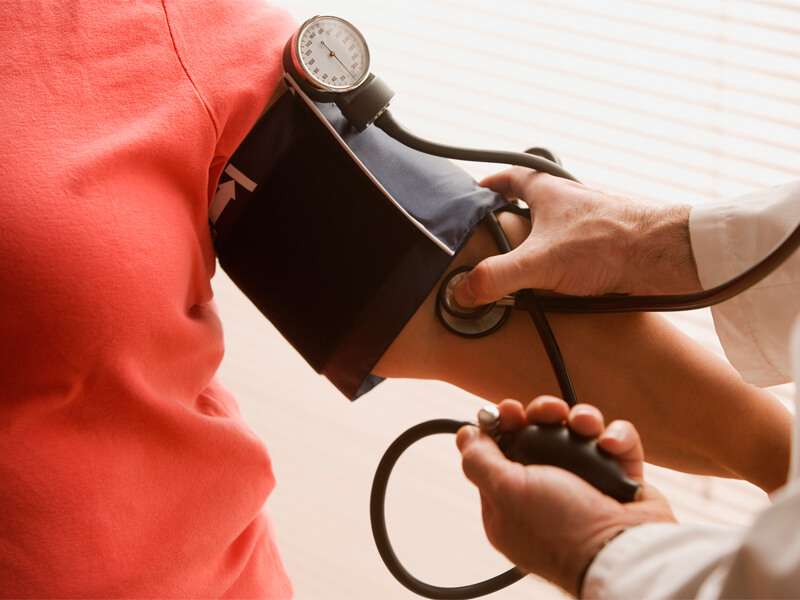
An assessment of lipid levels is crucial in evaluating cardiovascular health. This profile measures cholesterol types and triglycerides to provide insight into potential heart disease risks.
- High levels of LDL cholesterol (often referred to as 'bad' cholesterol) can indicate an increased likelihood of heart attacks or strokes.
- The assessment typically involves a simple blood test after fasting for several hours prior to the procedure.
- Treatment may involve lifestyle changes including diet alterations focusing on lowering saturated fats and increasing physical activity; medications like statins might also be prescribed based on individual results.
- It's important to monitor lipid levels regularly as part of preventive care to ensure timely interventions when necessary.
This assessment serves as an invaluable tool in maintaining cardiovascular health and preventing serious conditions related to high cholesterol levels.
DIABETES SCREENING

Screening for diabetes is essential in identifying individuals who are at risk for developing type 2 diabetes. Early detection allows for proactive management and lifestyle changes that can delay or prevent progression of the disease.
- A key risk factor is obesity alongside sedentary lifestyles; however, family history can also play a significant role in increasing risk.
- Testing generally involves a fasting blood glucose measurement or an A1C test during appointments at your healthcare provider's office.
- If diagnosed with prediabetes or diabetes, management options may include dietary modifications, increased physical activity, and sometimes medication.
- Following up regularly can help monitor blood sugar levels effectively and establish whether adjustments are needed in treatment plans.
The importance of screening cannot be overstated; early intervention significantly impacts long-term health outcomes for those at risk of diabetes.
HYPERTENSION MANAGEMENT

Hypertension, or high blood pressure, is a common condition that can lead to severe health complications if left untreated. It often develops over many years and can go unnoticed due to the lack of noticeable symptoms.
- Common symptoms may include headaches, shortness of breath, or nosebleeds, although many individuals experience no symptoms at all.
- Diagnosis typically involves regular monitoring of blood pressure readings during medical appointments.
- Treatment options include lifestyle changes such as a healthy diet and exercise, as well as medications like diuretics or ACE inhibitors when necessary.
- Management of hypertension is crucial for reducing the risk of heart disease and stroke, making routine check-ups essential.
- Your healthcare provider will guide you on medication adherence and lifestyle adjustments tailored to your individual needs.
With appropriate management strategies in place, individuals with hypertension can maintain a normal life while minimizing health risks associated with this condition.