
Dr. Sanjiv Kumar
About Me
Dr. Sanjiv Kumar
MS
Ophthalmologist
10 Years Experience
Biography
My Clinic
OPD Hours
| Monday | Morning | 10:00 AM | - | 02:00 PM |
| Evening | 06:00 PM | - | 09:00 PM | |
| Tuesday | Morning | 10:00 AM | - | 02:00 PM |
| Evening | 06:00 PM | - | 09:00 PM | |
| Wednesday | Morning | 10:00 AM | - | 02:00 PM |
| Evening | 06:00 PM | - | 09:00 PM | |
| Thursday | Morning | 10:00 AM | - | 02:00 PM |
| Evening | 06:00 PM | - | 09:00 PM | |
| Friday | Morning | 10:00 AM | - | 02:00 PM |
| Evening | 06:00 PM | - | 09:00 PM | |
| Saturday | Morning | 10:00 AM | - | 02:00 PM |
| Evening | 06:00 PM | - | 09:00 PM | |
| Sunday | Morning | 10:00 AM | - | 02:00 PM |
| Evening | 06:00 PM | - | 09:00 PM |
Treatments
Specialised care and treatments offered
GLAUCOMA MANAGEMENT
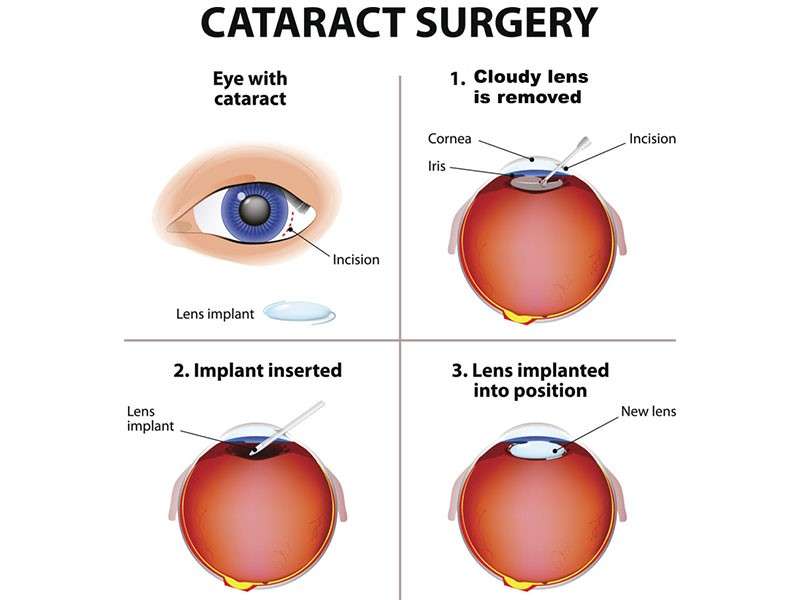
Glaucoma management focuses on controlling intraocular pressure (IOP) to prevent damage to the optic nerve. Effective management helps preserve remaining eyesight while accommodating long-term patient outcomes positively impacting overall quality of life despite chronic conditions being present too often unnoticed until severe consequences arise unnecessarily affecting daily lives significantly negatively influencing relationships resulting in difficulties engaging socially interacting productively depending significantly on wellness-oriented perspectives gaining essential support systems surrounding encouraged collaborative approaches enhancing well-being situational awareness amongst families everywhere improving communication qualities altogether building trust naturally fostering resilience over adversity thereby cultivating thriving communities happily committed health-centered beliefs!
- Glaucoma's critical indicators include peripheral vision loss experienced frequently even amidst regular check-ups maintaining proper hygiene routines carrying out engagements occurring normally too easily becoming burdensome overextended periods compounded stressors weighing impactfully burdens unmanageably heavily throughout navigating medications requiring dutiful adherence abiding closely governing prescriptions interacting consistently bearings emotional tolls unintended outcomes avoided entirely utilizing precise guidelines following professional instructions diligently ensures effective results ultimately leading healthier visions leading brighter possible futures altogether!
- Regular diagnostic evaluations confirm precise levels monitoring consistency determining effectiveness chosen paths essential guiding journeys focused primarily benefiting individual aspirations optimism generated balancing life's challenges crucially although increasingly delicate matters highlighted fortifying health expectations maintaining open lines communication between doctors collectively caring responsibly sharing information comprehensively clarifying processes mutual understanding serves vital purposes informing educated decisions promotes active partnerships against uncertainties surrounding complex healthcare issues faced contemporarily paving smoother pathways innovation revolutionizes ongoing treatments emerging routinely!
Continuous involvement fosters active engagement research balanced theories patient perspectives alongside clinical observations ensuring transparency promoting shared responsibilities creating proactive strategies extending reach sharing breakthroughs empowering families optimally recreating sustainability valuing respect compassion elevating societal standards broadly defined mandatory acceptance inclusive successes jointly cultivated encompassing enduring faith displaying harmoniously balanced concerns healthy lifestyles enjoyably complemented experiences thriving whilst nurturing supportive environments act naturally nurture positivity calm spirits!
YAG LASER CAPSULOTOMY
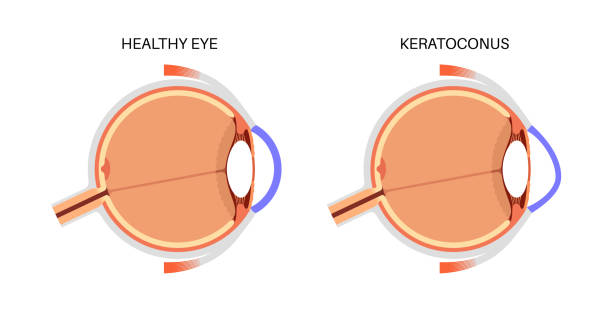
This procedure is performed when opacification occurs behind an intraocular lens post cataract surgery. YAG laser capsulotomy offers a quick solution for restoring clear vision blocked by lens capsule clouds that sometimes develop after initial cataract removal procedures
.- Symptoms signaling the need for this intervention often mirror cataract symptoms—namely blurry or cloudy vision accompanied potentially by glare issues during certain lighting conditions. During diagnosis assessments incorporate technology which further analyzes retinal surfaces yielding detailed insights enabling swift decision-making regarding laser necessity instead of waiting amid discomfort scenarios requiring timely response measures before lasting damage ensues . Management heavily relies upon using precise lasers dedicated explicitly maintaining minimal invasiveness while improving outcomes swiftly done within minutes typically offered during outpatient clinics without worsening existing patient situations unexpectedly arising due course wrapped around typical experiences felt throughout appointments... , Patients usually report remarkable improvements right away essentially returning them back into fulfilling lifestyles effortlessly thereafter succeeding scheduled evaluations showcasing progress being made consistently over time keeping healthcare providers informed adequately lets all parties become actively engaged expanding cooperative efforts aimed towards enhanced preparedness planning transfer knowledge thus completing holistic approaches producing compelling results!
Lastly it's crucial maintain regular follow-up examinations ensuring everything remains stable moving forward cultivating healthier visions continuously advocating utmost commitment wellness oriented best practices whilst adhering protocols outlined thoroughly educating everyone involved fully embracing functionality optimized liveliness!
PUNCTAL PLUGS
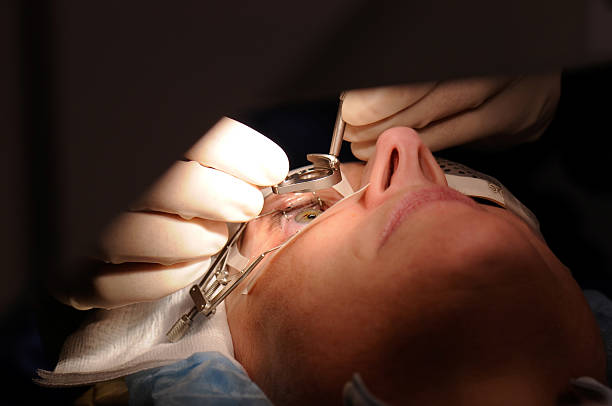
Punctal plugs are small devices inserted into the tear ducts to help retain moisture on the surface of the eyes. They are particularly beneficial for individuals experiencing dry eyes who need relief from persistent irritation caused by environmental factors or medical conditions.
- Typical symptoms leading to this treatment include dry, red eyes accompanied by discomfort or excessive tearing due to irritation.
- Diagnosis involves evaluating tear production through tests such as Schirmer's test or assessing overall ocular surface health.
- Punctal plugs come in various materials; they can be either temporary or permanent based on individual needs and preferences.
INTRAVITREAL INJECTIONS
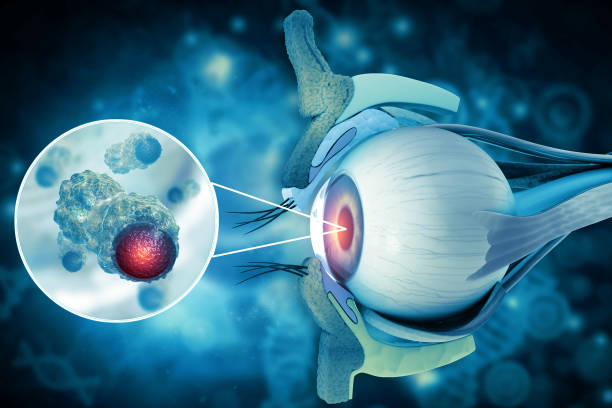
Intravitreal injections are used for delivering medication directly into the vitreous gel of the eye. This treatment effectively addresses conditions such as diabetic retinopathy and macular degeneration by targeting specific ocular diseases at their source.
- Symptoms indicating the need for this treatment may include sudden vision changes or distortions in central vision.
- A thorough eye examination helps in diagnosing conditions that necessitate these injections using visual acuity tests and imaging studies like OCT scans.
- The treatment itself involves injecting medications such as anti-VEGF agents or corticosteroids to reduce swelling or inflammation in the retina.
- This minimally invasive technique usually takes just a few minutes per session with minimal discomfort reported by most patients.
The effectiveness of intravitreal injections can dramatically improve visual outcomes when followed consistently as prescribed.
CATARACT SURGERY
Cataract surgery is performed to remove cloudy lenses in the eyes caused by cataracts. This condition can impair vision significantly, but fortunately, it is a common procedure with a high success rate.
- Patients often experience symptoms such as blurred vision, difficulty with glare or bright lights, and fading colors.
- An ophthalmologist diagnoses cataracts through a thorough visual exam and may utilize imaging techniques to assess lens clarity.
- The main treatment involves replacing the clouded lens with an artificial intraocular lens (IOL).
- Most patients find immediate improvement in their vision following surgery; however, some might require additional adjustments or treatments afterward.
This surgical intervention restores clarity and enhances daily activities that depend on good vision.
LASER EYE SURGERY
Laser eye surgery encompasses a range of procedures designed to correct vision problems, including nearsightedness, farsightedness, and astigmatism. It is a highly effective way to reduce or eliminate the need for glasses or contact lenses.
- Common symptoms that lead individuals to seek laser eye surgery include blurriness at various distances and difficulty seeing well at night.
- The diagnosis typically involves comprehensive eye exams, including a refraction assessment and corneal mapping.
- Treatment options include LASIK, LASEK, and PRK, tailored to your specific vision needs.
- Recovery from laser eye surgery is usually quick; many patients notice improved vision within a day.
- Post-operative care is important for optimal healing and may involve follow-up visits and specific instructions regarding eye drops.
This procedure can greatly enhance quality of life by providing clearer vision without the constant dependency on corrective lenses.