
Dr. Santosh Kumar
About Me
Dr. Santosh Kumar
MS
Orthopaedic Surgeons
10 Years Experience
Biography
My Clinic
OPD Hours
| Monday | Morning | 10:00 AM | - | 02:00 PM |
| Evening | 06:00 PM | - | 09:00 PM | |
| Tuesday | Morning | 10:00 AM | - | 02:00 PM |
| Evening | 06:00 PM | - | 09:00 PM | |
| Wednesday | Morning | 10:00 AM | - | 02:00 PM |
| Evening | 06:00 PM | - | 09:00 PM | |
| Thursday | Morning | 10:00 AM | - | 02:00 PM |
| Evening | 06:00 PM | - | 09:00 PM | |
| Friday | Morning | 10:00 AM | - | 02:00 PM |
| Evening | 06:00 PM | - | 09:00 PM | |
| Saturday | Morning | 10:00 AM | - | 02:00 PM |
| Evening | 06:00 PM | - | 09:00 PM | |
| Sunday | Morning | 10:00 AM | - | 02:00 PM |
| Evening | 06:00 PM | - | 09:00 PM |
Treatments
Specialised care and treatments offered
LIGAMENT INJURY INITIAL ASSESSMENT
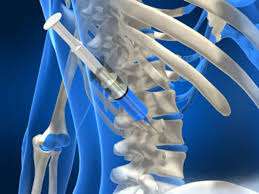
Ligament injuries often follow sudden movements impacting stability. Immediate assessment is crucial for effective management during initial stages of injury progression over time
- Symptoms: Patients typically report immediate pain followed by swelling along with bruising after injury has occurred within respective joints affected..
- Diagnosis: Clinical evaluations including physical tests alongside diagnostic imaging tools such as MRIs provide insight into severity associated ligament damage present .
- Treatment Options: Conservative methods initially focus on rest/rehabilitation aiming over time towards restoring strength & flexibility; surgery becomes relevant only when instability persists based on evaluations conducted previously
Timely assessments greatly improve overall recovery journey allowing individuals return safely achieving desired goals afterward .
BURSITIS DIAGNOSIS AND TREATMENT
Bursitis involves inflammation of bursae sacs in joints causing discomfort. Understanding this condition allows better management strategies for those affected by it.
- Symptoms: Pain localized around joints often worsens with movement; tenderness during palpation is also common.
- Diagnosis: A detailed medical history coupled with physical exams helps clarify bursitis presence; imaging might be required occasionally.
- Treatment Options: Initially rest along with anti-inflammatory medications are recommended; physical therapy aids recovery significantly while chronic cases may need further interventions.
- What to Expect: Most individuals respond well to conservative treatments within weeks; ongoing care focuses on preventing recurrence through education on ergonomic practices.
Taking proactive steps allows individuals dealing with bursitis restore function without prolonged disruption in daily activities.
CARTILAGE INJURY EVALUATION

Torn cartilage can lead to significant discomfort and impaired joint function. Identifying these injuries early ensures prompt treatment for improved outcomes.
- Symptoms: Symptoms typically include joint locking, pain during movement, and swelling around the affected area.
- Diagnosis: Advanced imaging techniques such as MRI provide valuable insights into cartilage integrity during diagnosis.
- Treatment Options:: Conservative approaches may include injections or physical therapy while severe cases might necessitate surgical repair or transplantation procedures.
The goal of evaluation is not only symptom relief but also restoring functionality to enhance overall quality of life post-injury.
TENDON INJURY ASSESSMENT

Tendon injuries can arise from acute trauma or repetitive stress. Accurate assessment is vital for effective treatment strategies tailored to each individual’s activity level.
- Symptoms: Pain at the injury site, swelling, tenderness, or a popping sound during movement can indicate tendon damage.
- Diagnosis: Physical examinations combined with imaging studies like ultrasounds help determine the extent of the injury.
- Treatment Options: Options range from conservative management with rest and physiotherapy to surgical procedures for severe tears or ruptures.
- What to Expect: Recovery timelines vary; following a rehabilitation program is essential for optimal healing and return to sports or normal activities.
A comprehensive assessment ensures that treatment aligns with patient goals and enhances recovery outcomes efficiently.
OSTEOARTHRITIS EVALUATION

This degenerative joint disease affects millions and leads to pain, stiffness, and decreased mobility. Early detection plays an essential role in managing symptoms effectively.
- Symptoms: Common signs include joint pain during movement, swelling, and reduced range of motion.
- Diagnosis: Clinical evaluations along with imaging tests like X-rays help ascertain the degree of cartilage loss.
- Treatment Options: Management may involve medication for pain relief, lifestyle changes, physical therapy, or even surgery in advanced cases.
- What to Expect: A multi-faceted approach allows many individuals to maintain an active lifestyle despite their condition.
A thorough evaluation aids in crafting a personalized treatment plan that addresses individual needs effectively.
FRACTURE DIAGNOSIS AND MANAGEMENT

Fractures are common injuries that can significantly impact one’s mobility and quality of life. Proper diagnosis and management are crucial for optimal recovery.
- Symptoms: Swelling, severe pain, deformity, and inability to use the affected limb are common signs of a fracture.
- Diagnosis: X-rays are typically the first step to confirm a fracture; CT scans or MRIs may be used for complex cases.
- Treatment Options: Treatment varies from immobilization with casts to surgical intervention depending on the fracture type and location.
- What to Expect: Recovery times can range from weeks to months, and physical therapy is often recommended post-treatment to regain strength.
Understanding fractures and their management helps patients play an active role in their recovery journey.